
Last updated November 14, 2026
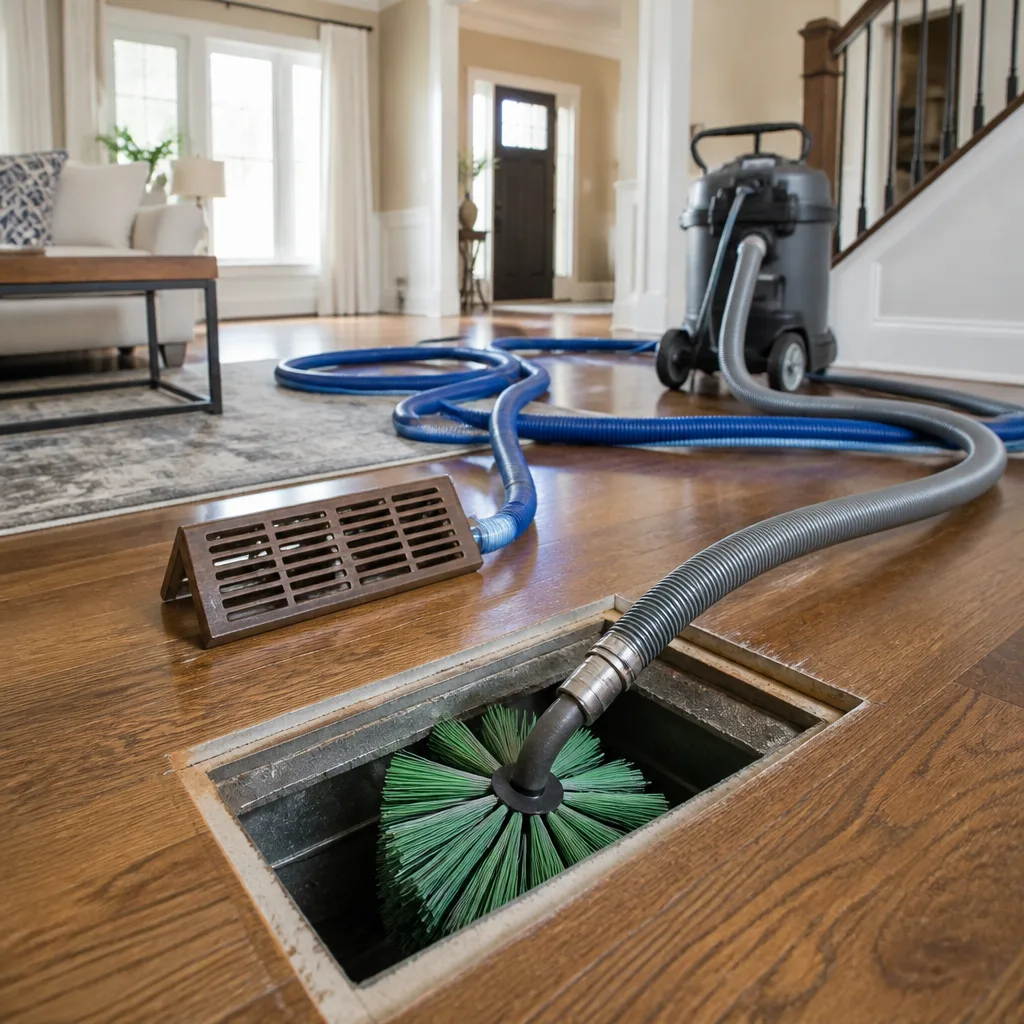 Whole-home duct cleaning
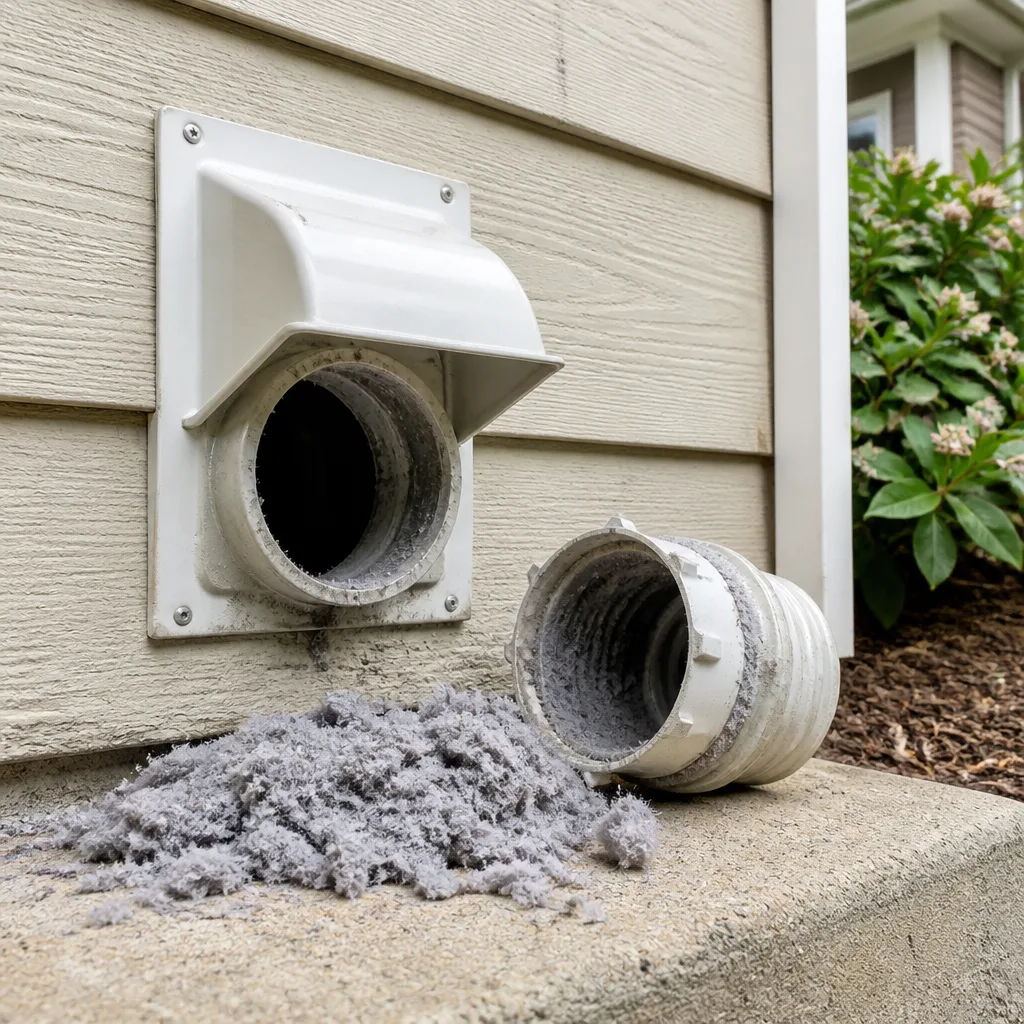 Dryer vent cleaning
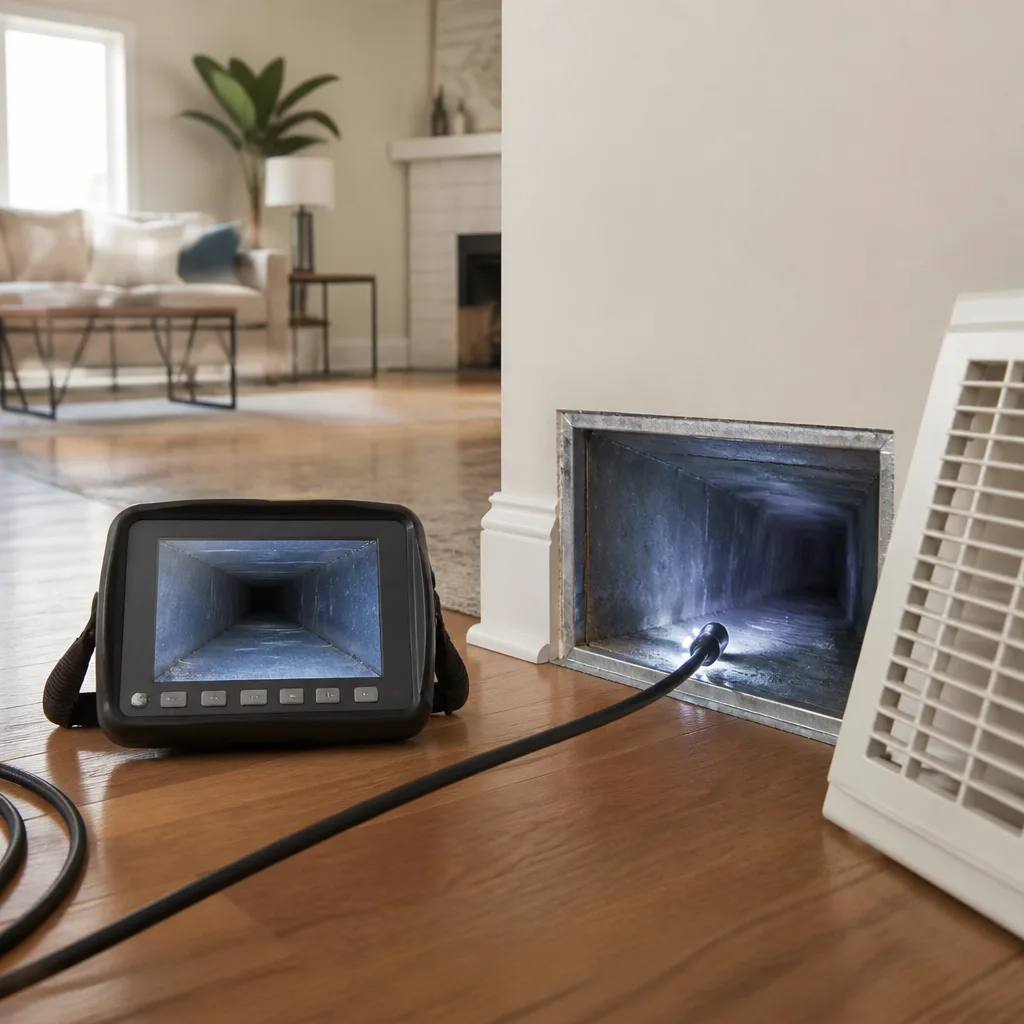 Camera inspection
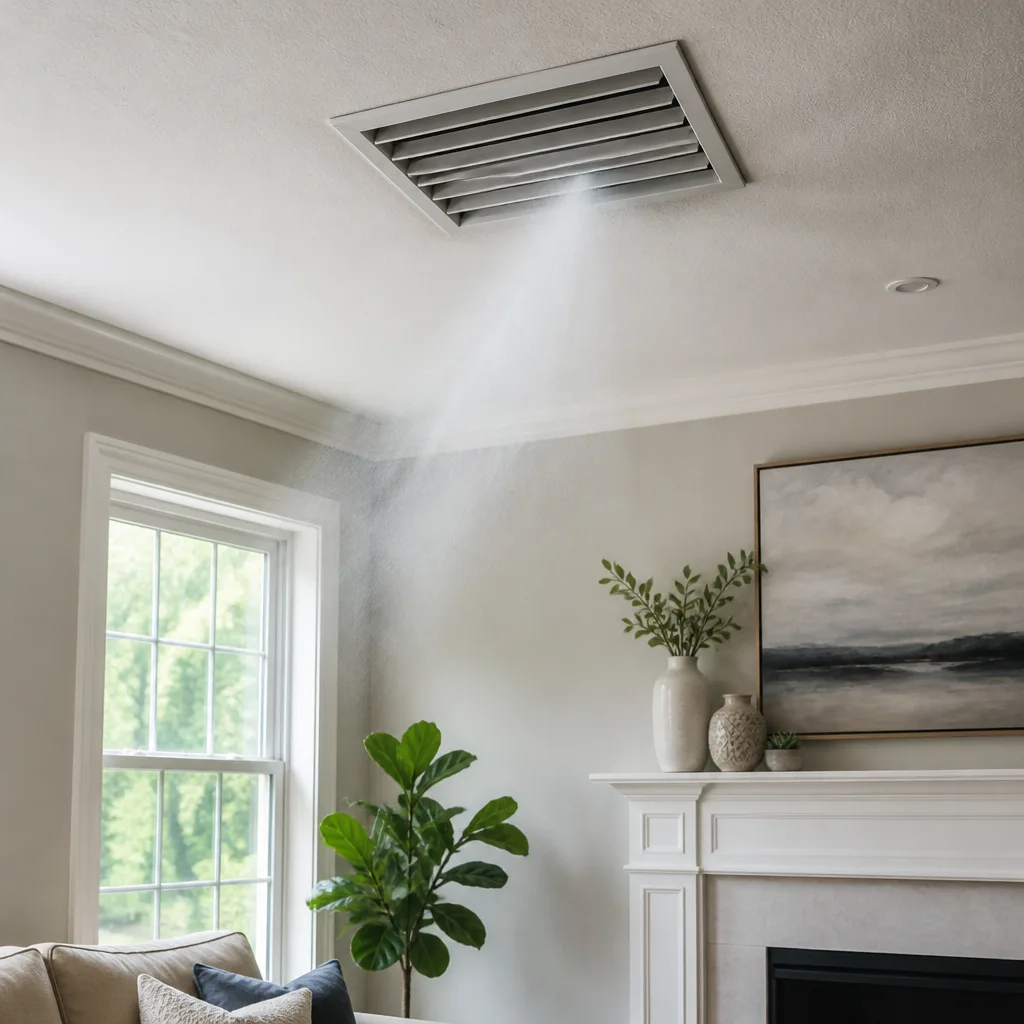 Sanitizing & deodorizing
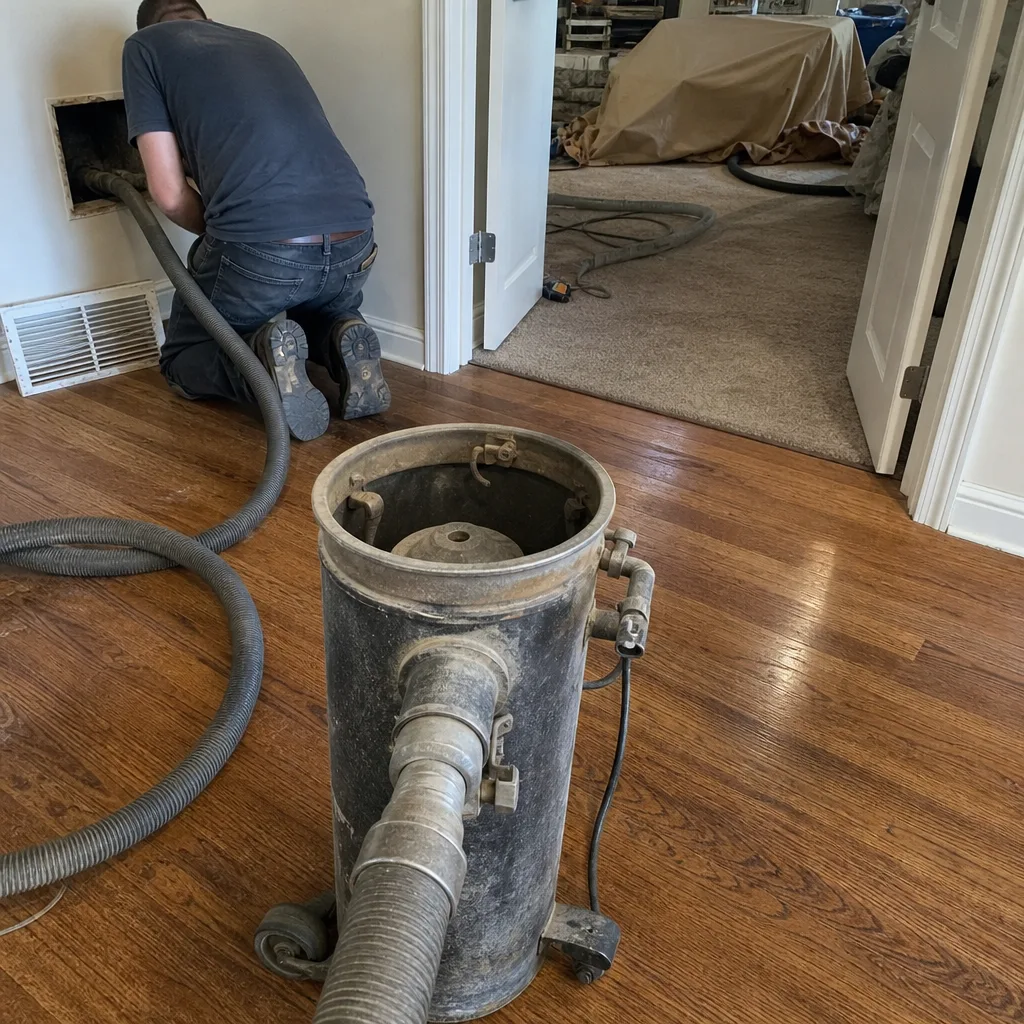
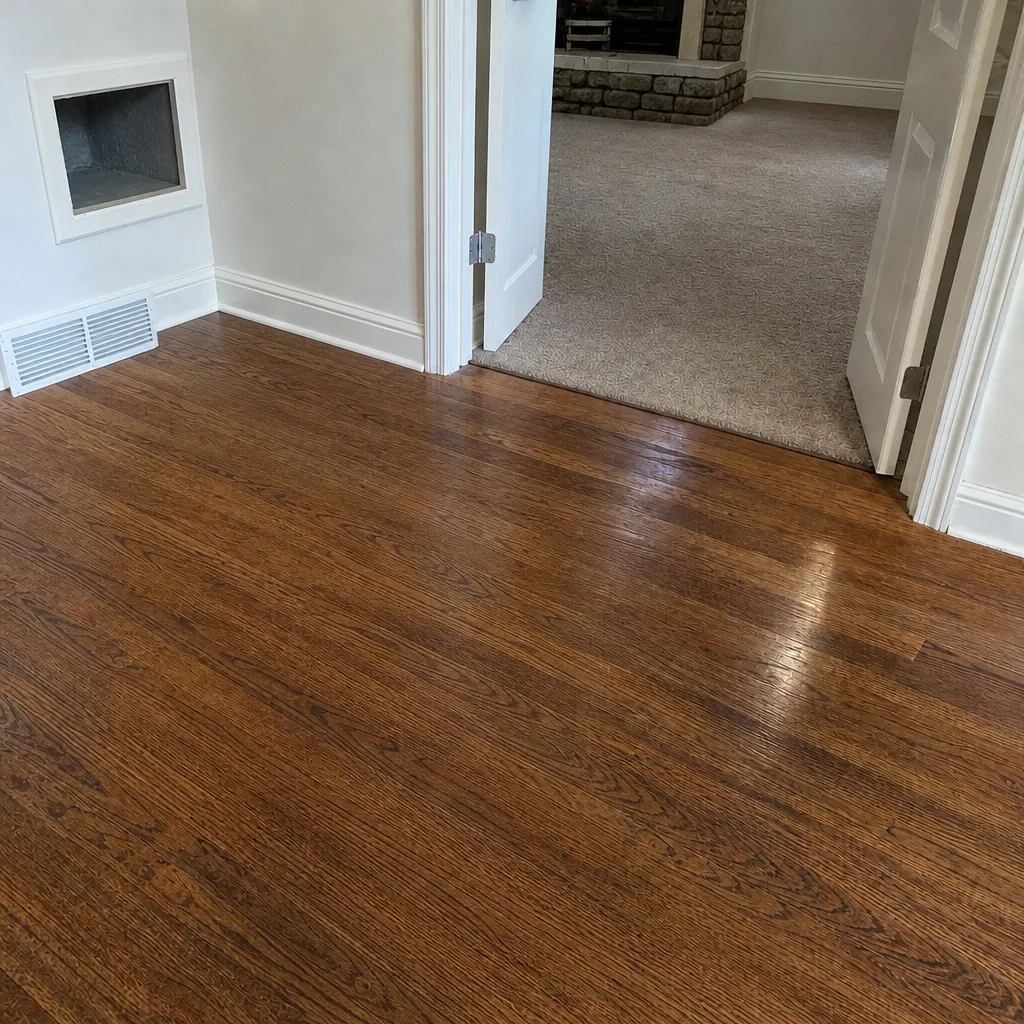
Whole-system duct and dryer vent check with before-and-after photos - you see exactly what came out of your vents
That "$99 whole-house special" is a bait ad - the real number appears once they are in your hallway, or the "clean" is a shop-vac at the register. We photograph the inside of your ducts before and after instead.
How to Hire an Air Duct Cleaning Contractor in Winston-Salem: A Step-by-Step Guide
In North Carolina, anyone can legally call themselves an air duct cleaning contractor tomorrow. No license, no certification, no minimum equipment standard required. That single fact changes how you should shop for this service. In a trade where the state issues no credential, the burden of verification falls on the homeowner, and the questions you ask before hiring matter more than the ad you clicked. This guide gives you a technical interview framework, not a soft checklist. You’ll learn which equipment specs to demand, how to read a legitimate scope of work, which red flags are specific to duct cleaning, and how to compare quotes on equal terms in the Winston-Salem market.
Styles & brands we work with
- Whole-home duct cleaning
- Dryer vent cleaning
- Camera inspection
- Sanitizing & deodorizing
Quick Answer
To hire an air duct cleaning contractor in Winston-Salem, verify the equipment first (ask for the vacuum’s CFM rating and whether the unit is truck-mounted or portable), confirm the source removal method, request before-and-after camera footage, and insist on a written line-item scope of work instead of a single lump-sum number. Because North Carolina does not license duct cleaners, NADCA membership and ACR standard compliance are your best available proxies for professional process. Price the whole system, not the vent count.
Table of Contents
- Why North Carolina’s Missing License Changes Everything
- The Equipment Questions That Separate Pros From Pretenders
- NADCA, the ACR Standard, and Why They Matter Here
- Red Flags Specific to the Duct Cleaning Industry
- How to Compare Duct Cleaning Quotes Accurately
- Why Repair Capability Should Be a Hiring Criterion
- The Hiring Process, Step by Step
- Common Mistakes to Avoid
- When to Call a Professional
- Frequently Asked Questions
- The Bottom Line
Why North Carolina’s Missing License Changes Everything
North Carolina regulates electricians, plumbers, and HVAC contractors through state licensing boards. It does not license air duct cleaning as its own trade. That means the barrier to entry is essentially a van, a vacuum, and a business card. A contractor who cleans ducts as part of a licensed HVAC business may carry credentials, but the cleaning itself sits outside any state oversight. The practical result: the quality spread between the best and worst operators in Winston-Salem is wider than in almost any other home service category.
What does that mean for you? It means you cannot outsource your judgment to a state database. You have to interview the contractor the way you’d interview anyone doing specialized work in your home. Ask the same questions of every bidder so you can compare apples to apples. Write the answers down.
Two facts about the Winston-Salem market make this especially important. First, the housing stock here is varied enough that duct systems differ enormously from house to house, from older homes with retrofitted flex duct to newer construction with rigid trunk-and-branch layouts. A contractor who only knows one configuration will give you a generic assessment. Second, the Piedmont’s humid summers and cold winters mean your HVAC system runs hard through both seasons, and duct systems that see heavy use accumulate debris faster than systems in mild climates. That raises the stakes on getting the cleaning done correctly rather than just nominally.
We’ve watched enough duct systems in this region to know that the difference between a real cleaning and a cosmetic one isn’t visible from the living room. It shows up in the equipment and the process. Our technicians have up to 13 years of experience, and the first thing any of them will tell you is that the tool matters as much as the technician holding it.
The Equipment Questions That Separate Pros From Pretenders
This is where the interview gets technical, and it’s the section most homeowners skip. Don’t skip it. Equipment is the clearest objective signal of whether a contractor is set up to do source removal or just surface agitation.
Start with the vacuum collection unit. Ask two specific questions: what is the CFM (cubic feet per minute) rating, and is the unit truck-mounted or portable? CFM measures how much air the collection system moves. A weak vacuum cannot pull loosened debris out of a duct run; it just stirs it up. Portable units vary widely, and some consumer-grade machines marketed to homeowners fall far short of what a real cleaning requires. Truck-mounted or high-capacity portable units with strong CFM ratings are what professional crews use.
Then ask about the agitation method. A thorough cleaning mechanically agitates the duct interior to dislodge debris before extraction. Rotary brush systems are the industry standard for this. Here at Delmar Air Duct Cleaning, we run professional-grade Delmar Air Duct Cleaning equipment from Rotobrush and Nikro, the same systems commercial HVAC contractors rely on. We don’t just vacuum your ducts; we mechanically agitate, extract, and inspect them. For jobs where contamination control matters, we also use Abatement Technologies equipment, which is built for environments requiring containment and controlled air pressure. That’s a different tier of tooling than an entry-level shop vac and a hose.
Questions to put on your list:
- What CFM rating does your vacuum collection unit produce?
- Is the unit truck-mounted or portable?
- What agitation method do you use inside the ductwork?
- Do you use containment or negative-air equipment when needed?
- Will you show me before-and-after inspection camera footage of my own system?
- What brands of equipment do you run, and can you name them?
A contractor who can answer these without hesitation is likely to be legitimate. One who deflects, changes the subject, or gives vague reassurances (“we use the best equipment”) is telling you something.
NADCA, the ACR Standard, and Why They Matter Here
Since North Carolina doesn’t license duct cleaners, the industry’s own standards become your most useful proxy. NADCA (the National Air Duct Cleaners Association) publishes the ACR standard, which sets out how a proper cleaning should be performed, including source removal principles, equipment requirements, and inspection protocols. A contractor who follows the ACR standard is following a documented professional process. One who has never heard of it is not.
Membership in NADCA isn’t a guarantee of quality, and it isn’t a state license, but it signals that a contractor has invested in the professional side of the trade. Ask directly: are you a NADCA member, and do you follow the ACR standard? Then ask them to explain what the ACR standard means for the job in your house. A legitimate contractor will give you a specific answer about source removal and inspection. A pretender will give you a paragraph of noise.
This matters more in Winston-Salem than in a licensed trade, because there’s no other backstop. When you hire an electrician, the state board has already done some vetting. When you hire a duct cleaner here, you’re the vetting. NADCA membership and ACR compliance give you something concrete to check against.
The same logic applies to air quality products. If a contractor sells and services brands like Honeywell and Aprilaire, that tells you they’re connected to the filtration side of the business, not just the vacuum side. It’s not a certification, and it shouldn’t be treated as one, but it’s a meaningful signal about the depth of their operation.
Red Flags Specific to the Duct Cleaning Industry
Duct cleaning has its own well-documented patterns of trouble, and they look different from the red flags in other trades. Learn these before you make any calls.
- “Whole house” cleaning offers under $99. The economics don’t work. A real cleaning takes time, real equipment, and a real scope. A teaser price that low is a door-opener; the actual invoice grows once the technician is inside and starts finding “problems.” Walk away or ask for the full written scope up front.
- Refusal to provide before-and-after inspection camera footage. A contractor with genuine professional equipment can show you what they found and what they left behind in your own ducts. Refusal means you can’t verify the work.
- Upsell pressure on mold treatments. Mold treatments are sometimes legitimate, but aggressive pushes during a cleaning visit are a warning sign. A real diagnostic should come first, and the recommendation should be tied to visible evidence.
- Per-vent pricing with no whole-system scope. Pricing by the vent count encourages speed over thoroughness. A whole-system price forces the contractor to account for the full job.
- No written estimate. Verbal pricing with no paper trail is how disputes happen.
- Vague answers about equipment. If they can’t name their vacuum’s CFM or their agitation method, they’re not operating at a professional level.
- Pressure to decide on the spot. A legitimate contractor will give you the scope and let you think about it.
We’re not going to tell you that every low-price operator is a scam, or that every high-price one is honest. We will tell you that the pattern above is common enough in Winston-Salem that you should treat it as a screening filter. Ask for the equipment specs, ask for the footage, ask for the written scope. The honest contractor will answer all three. The other kind will get uncomfortable.
How to Compare Duct Cleaning Quotes Accurately
Comparing duct cleaning quotes is difficult because contractors don’t all quote the same way. One gives you a single number. Another gives you a five-line itemization. The single-number quote may be cheaper on its face and more expensive in reality, because you can’t see what’s included. A legitimate scope of work has identifiable parts.
What a real scope of work should include:
- System description. How many supply and return runs, what type of duct, and what the access points are.
- Cleaning method. Source removal, the agitation tool, and the collection system.
- Access and containment. How they’ll access the system and whether containment is part of the job.
- Inspection. Before-and-after camera inspection and what you’ll receive.
- Scope boundaries. What is explicitly not included, such as dryer vent, HVAC coil, or repair work.
- Price. A whole-system number, with any optional add-ons listed separately.
A vague single-number proposal is not a quote; it’s an offer. The written estimate sets the price, so insist on one. If a contractor won’t put the scope in writing, you can’t hold them to it.
One more comparison tip: ask each bidder whether they can also repair ductwork if they find damage. As we’ve seen throughout this guide, a contractor who can only clean and not fix may not give you an honest assessment of system condition, because they have no way to address what they find. More on that next.
Why Repair Capability Should Be a Hiring Criterion
Here’s a question most homeowners never ask: if the assessment turns up damaged ductwork, can you fix it? It matters more than it sounds. Duct systems develop real problems, from disconnected joints and crushed flex runs to torn insulation and leaking seams. A cleaning-only contractor who finds damage has two choices: tell you and lose the upsell, or stay quiet and clean around it. Either way, you’re not getting a full assessment.
A contractor with repair capability can clean it, fix what’s damaged, and protect the system going forward. Clean it. Repair it. Protect it. That’s the full-service arc, and it’s the difference between a service visit and a solution. At Delmar, we offer air duct cleaning alongside air duct repair, so the same call can cover both. That’s not how most of the market is set up; usually repair requires a separate contractor and a separate visit.
In Winston-Salem, where the housing stock ranges from older homes with aging duct layouts to newer builds with tight, sealed systems, repair capability is not a luxury. It’s a practical requirement. Ask every bidder the repair question. The answer tells you as much about their honesty as it does about their capability.
The Hiring Process, Step by Step
Here’s the full interview framework, numbered. Work through it in order and you’ll have eliminated most of the bad options before anyone shows up.
- Define the job. Is this routine maintenance, a response to a specific trigger (musty smell, visible debris at vents, recent renovation, a dryer taking too long), or an air quality concern? Write down what you’re trying to solve before you call anyone.
- Ask the equipment questions first. Vacuum CFM, truck-mounted versus portable, agitation method, containment capability. If they can’t answer, you’re done.
- Ask the standards questions. NADCA membership, ACR standard familiarity, and how they perform source removal.
- Ask the inspection questions. Before-and-after camera footage, what you’ll receive, and whether they’ll walk you through what they find.
- Ask the repair question. Can you fix damaged ductwork, or only clean?
- Ask for the written scope. Line items, not a single number. Read the boundaries carefully.
- Compare on equal terms. Same scope, same deliverables, same equipment tier. Only then compare price.
- Confirm the price is fixed per system. One flat price per system, agreed before work starts, in writing.
If you also want dryer vent cleaning handled, ask whether it’s offered as a dedicated service or as a bolt-on. It should be its own line item with its own scope, because it addresses a specific fire-safety risk that deserves real attention rather than a quick pass with a brush. Dryer vents are the most overlooked fire hazard in the home, and a contractor who treats them as an afterthought is telling you where their priorities sit.
Two other services to ask about if relevant: filtration product compatibility (Honeywell, Aprilaire, and Guardsman are the brands we work with) and whether the contractor can support that equipment long-term. That’s about the full lifecycle, not a one-time visit.
Common Mistakes to Avoid
- Hiring on price alone. In an unlicensed trade, the cheapest quote is often the one with the weakest equipment and the shortest process. You don’t see the difference until after they’ve left.
- Skipping the CFM and equipment questions. These are the most objective, most easily verified facts in the whole conversation. If you don’t ask them, you’re guessing.
- Accepting a verbal quote. The written estimate sets the final price. Without one, the price is whatever the invoice says when the work is done.
- Not asking for before-and-after footage. This is your proof that the work happened. A contractor who won’t provide it is asking you to take a lot on faith.
- Overlooking the repair question. A cleaning-only contractor can’t give you a full assessment of your system’s condition, which means you may miss real damage.
- Falling for per-vent pricing. Whole-system pricing exists for a reason. Per-vent pricing rewards speed.
- Letting upsell pressure rush the decision. A legitimate contractor gives you the scope and lets you decide. Pressure during a visit is a red flag, not a courtesy.
When to Call a Professional
Not every duct system needs cleaning on a schedule. Some need it when a specific trigger appears, and knowing those triggers is half the battle. Call a professional if you notice musty or stale smells when the system runs, visible debris at the supply vents, or a sudden drop in airflow that isn’t explained by a filter change. A recent renovation is another trigger; construction dust settles in ductwork and circulates for months. If a dryer is taking longer than it used to, that’s a signal to have the vent checked, and it’s worth taking seriously. If anyone in the home has respiratory sensitivities, or if you’ve recently noticed dust settling faster than usual, an inspection is a reasonable call.
When you do call, ask the equipment and standards questions from this guide. The answers separate the contractors who invested in the trade from the ones who didn’t. Delmar Air Duct Cleaning offers free estimates in Winston-Salem; call (844) 834-1338. We answer 24/7. Fast dispatch from 7am to 7pm, Sunday through Friday. Our technicians have up to 13 years of experience, and the estimate is free.
Frequently Asked Questions
Air duct cleaning is priced per system in the Winston-Salem market, not per vent, and the honest way to get a number is a written estimate after the contractor sees the system. Whole-system pricing depends on the number of runs, the duct type, access conditions, and whether repair is needed. Be wary of any quote under $99 for a “whole house” cleaning; the economics don’t support it, and the invoice usually grows once the technician is on site. One flat price per system agreed before work starts is the standard to hold contractors to. Call (844) 834-1338 for an exact quote – estimates are free.
Cheap quotes are usually cheaper because the equipment and process are cheaper. A contractor running a low-CFM portable vacuum and a hose in the vents is doing surface work, not source removal, and they’re spending far less time and equipment on the job. That’s not a knock on every lower quote, but it does mean the price difference reflects a real difference in the work. Ask the CFM and agitation questions, and compare the written scopes before you compare the price. Call (844) 834-1338 for a scope you can compare – estimates are free.
Ask for before-and-after inspection camera footage of your own system. A contractor with professional equipment can capture the duct interiors before and after the cleaning, and that’s the only real proof you have. Refusal or deflection on this question tells you a lot. Pair the footage with a written scope that names what was cleaned and how, and you have a verifiable record. Call (844) 834-1338 to schedule an estimate – we show you what we find and what we leave behind.
There’s no universal schedule. A well-maintained system in a clean home may go years between cleanings. Systems with heavy use, recent renovation, pets, or moisture issues may need attention sooner. The honest answer is that duct cleaning should respond to a trigger (visible debris, musty smells, airflow problems, a renovation) more than a calendar. Call (844) 834-1338 to talk through what you’re seeing – estimates are free.
No. North Carolina does not license air duct cleaning as a standalone trade, so there is no state credential to verify. That’s exactly why equipment questions, NADCA membership, and ACR standard compliance matter here; they’re the available proxies for professional process. Ask every contractor you consider the same questions and compare their answers. Call (844) 834-1338 if you want a contractor who can walk you through the equipment and the method – estimates are free.
Yes, whenever possible. A cleaning-only contractor who finds damaged ductwork has limited options for addressing it, which can distort the assessment. A contractor with repair capability can clean the system, fix what’s damaged, and show you the before-and-after. In Winston-Salem’s mixed housing stock, that matters more than it might elsewhere. Call (844) 834-1338 to ask about repair alongside cleaning – estimates are free.
The Bottom Line
Hiring an air duct cleaning contractor in Winston-Salem comes down to verification in an unlicensed trade. Ask the CFM and equipment questions first, ask about NADCA and the ACR standard second, ask for before-and-after camera footage and a written line-item scope third. Compare quotes on equal terms, not on the headline number. Look for repair capability, because it changes the quality of the assessment you get. And hold every contractor to the standard of one flat price per system agreed before work starts.
At Delmar Air Duct Cleaning, we run professional-grade Rotobrush and Nikro equipment, use Abatement Technologies gear where containment matters, work with Honeywell and Aprilaire products, and offer dryer vent cleaning and duct repair alongside cleaning. Commercial-grade equipment, residential care. Clean it. Repair it. Protect it.
If you’re ready to move from research to a real estimate, call us at (844) 834-1338. We answer 24/7. Fast dispatch from 7am to 7pm, Sunday through Friday. Estimates are free, the process is explained up front, and the written scope sets the price. That’s the standard we hold ourselves to, and it’s the standard you should hold every contractor to in Winston-Salem.
Written by the team at Delmar Air Duct Cleaning.
See the difference
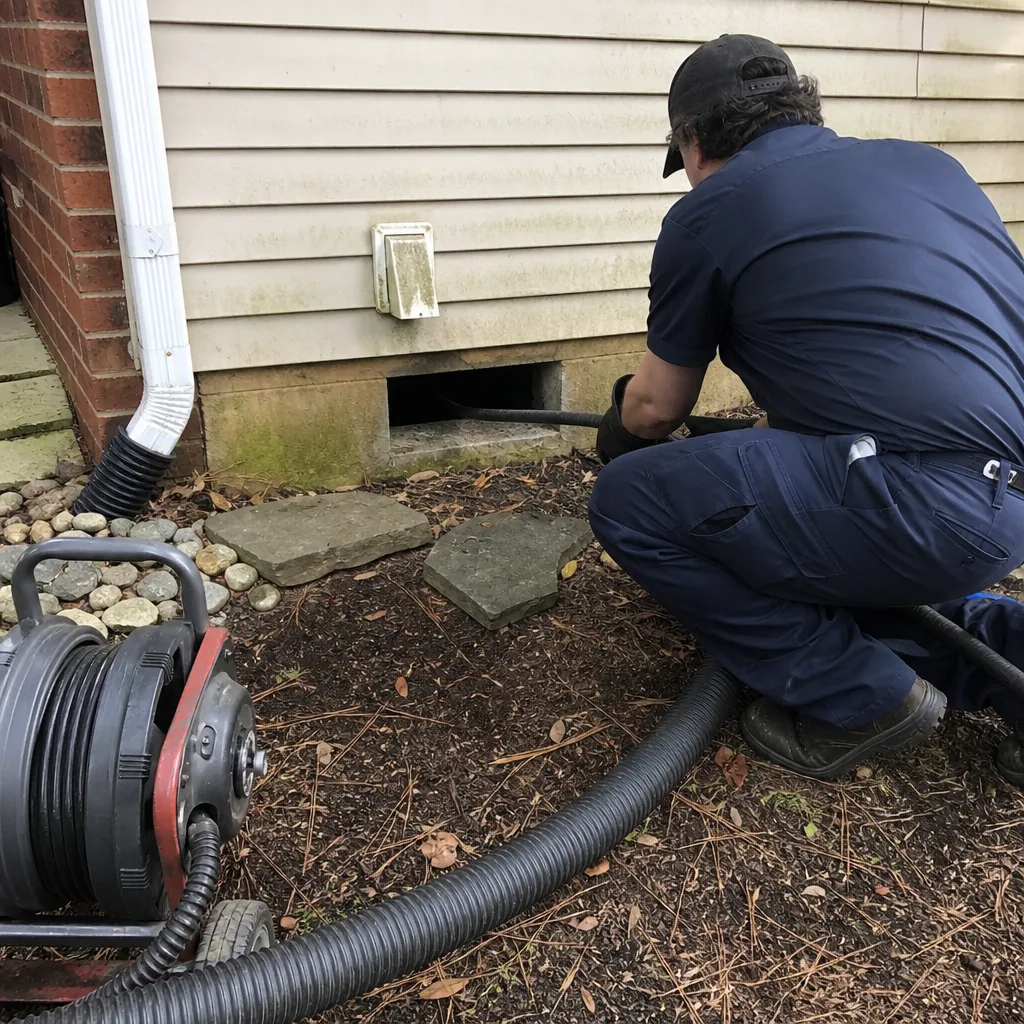 Before
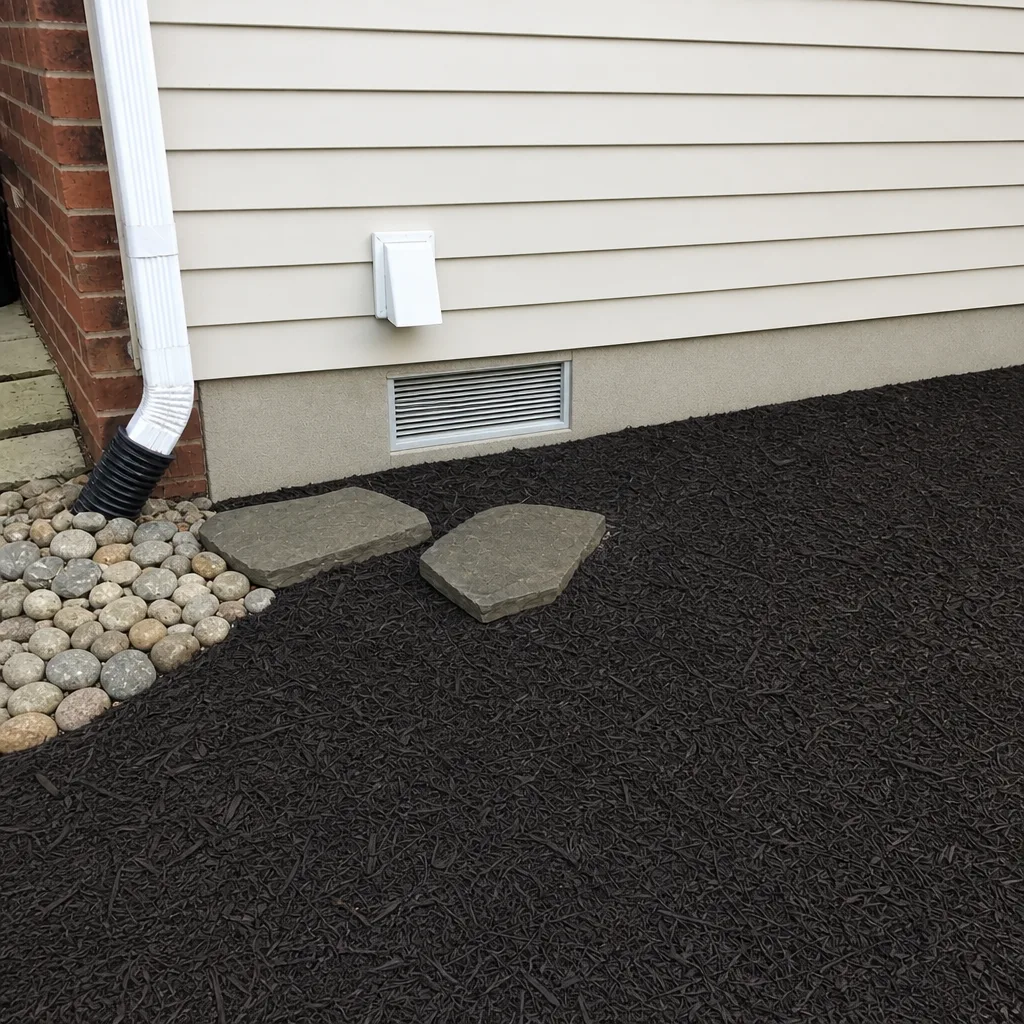 After
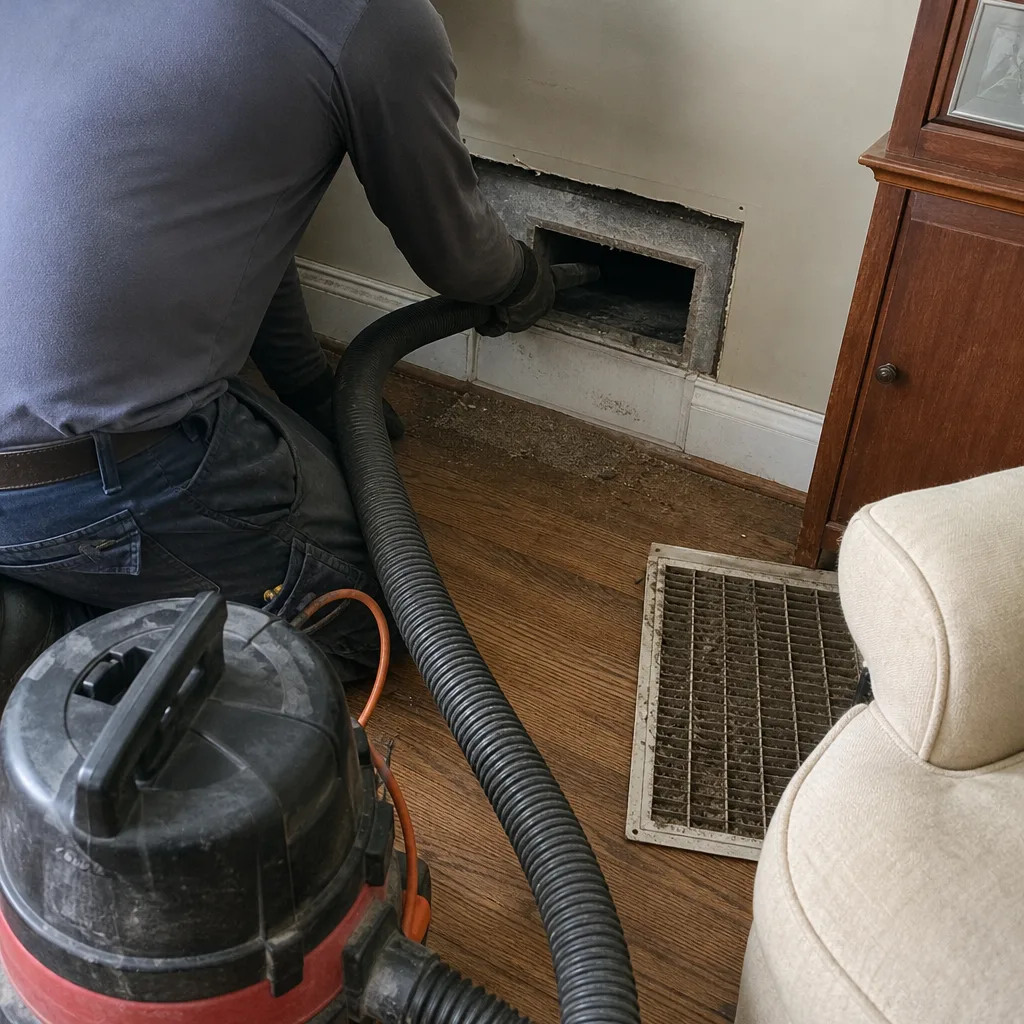 Before
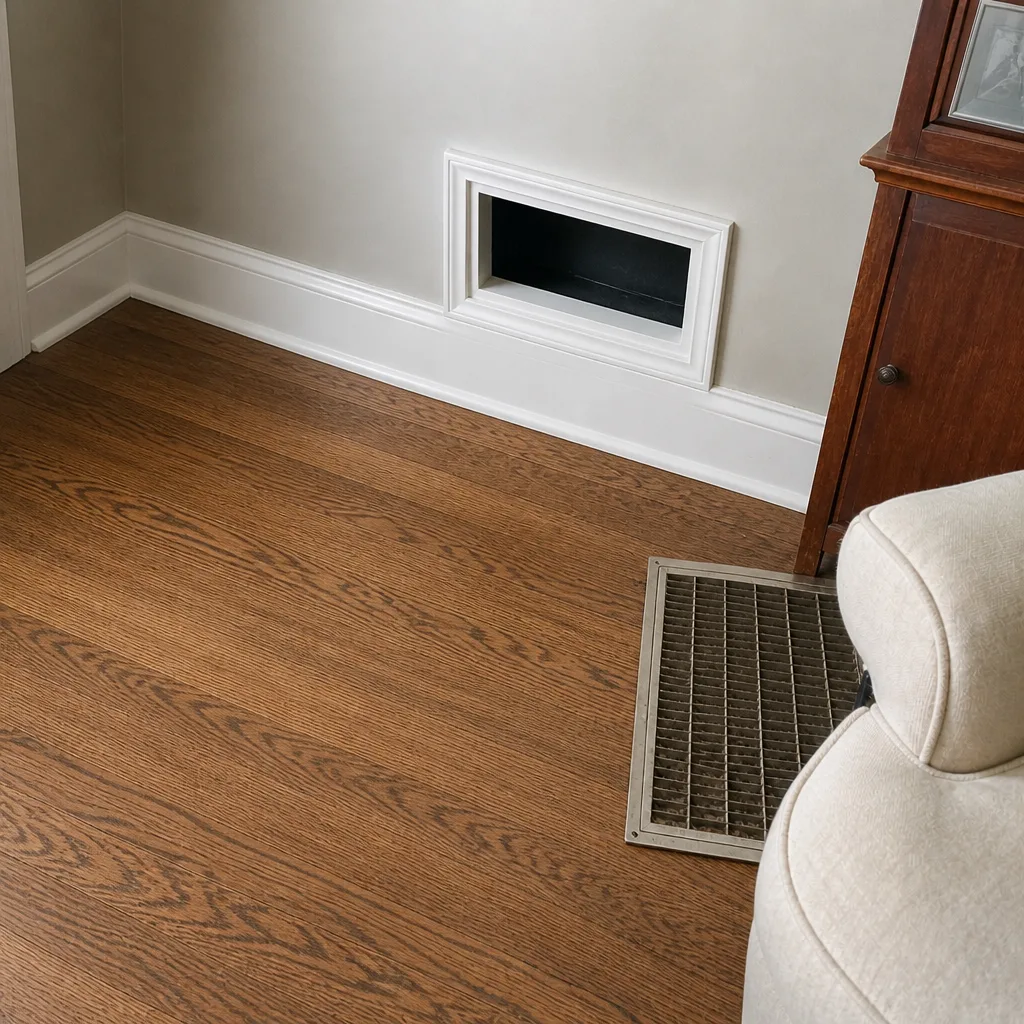 After
 Before
 After