
Last updated November 14, 2026
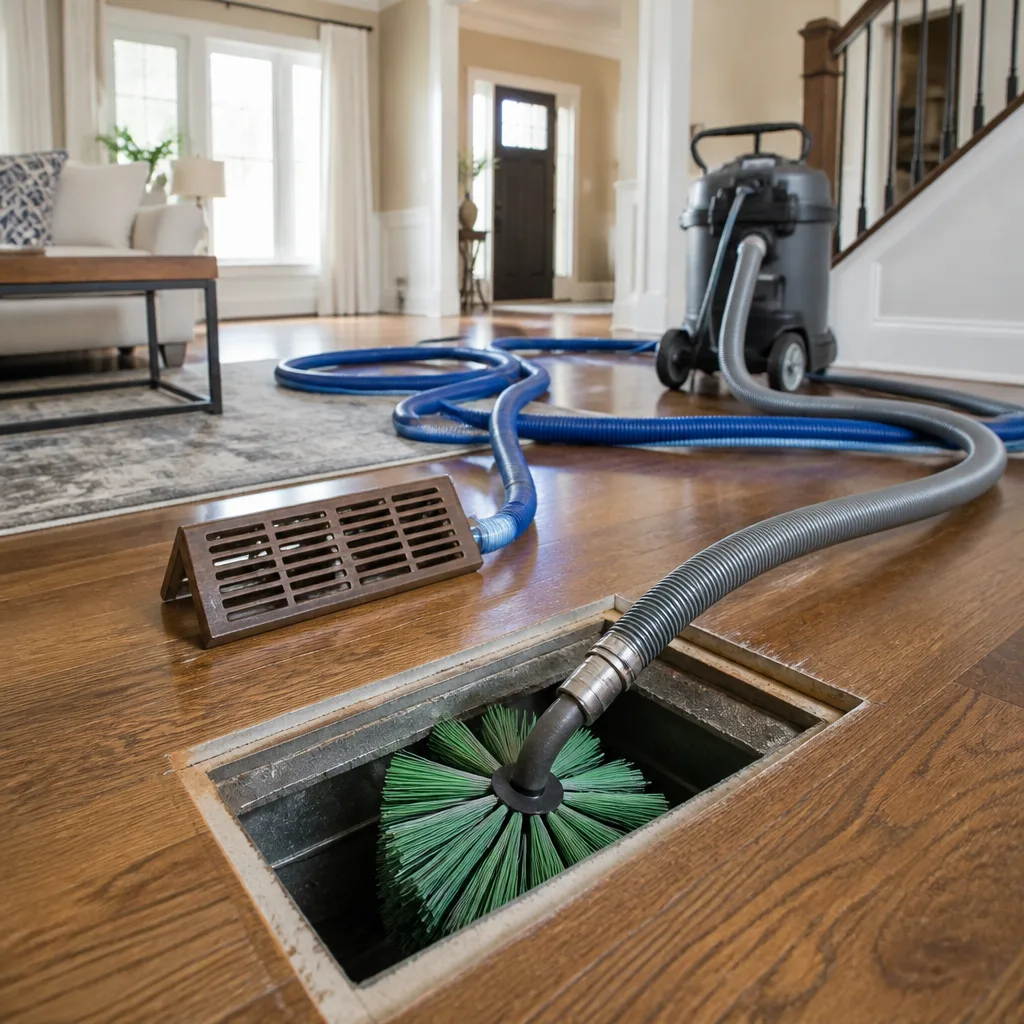 Whole-home duct cleaning
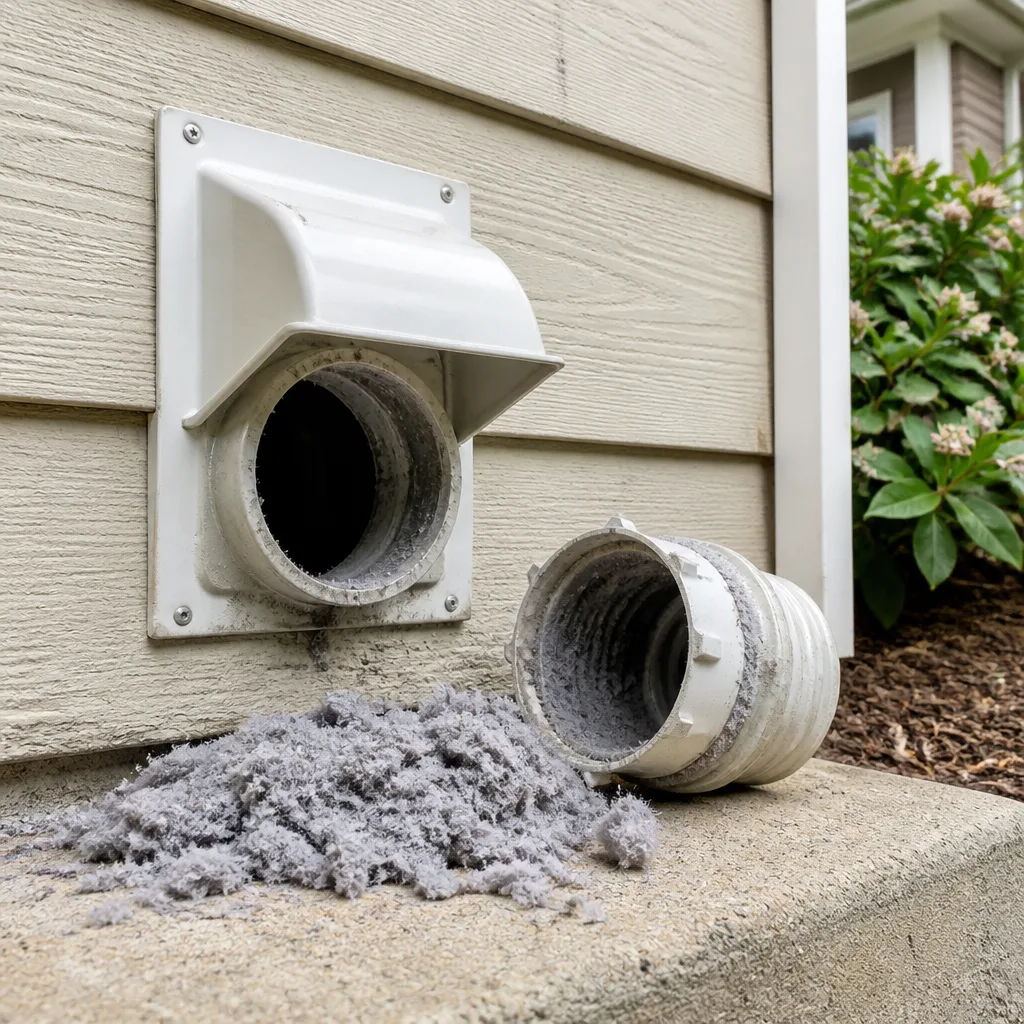 Dryer vent cleaning
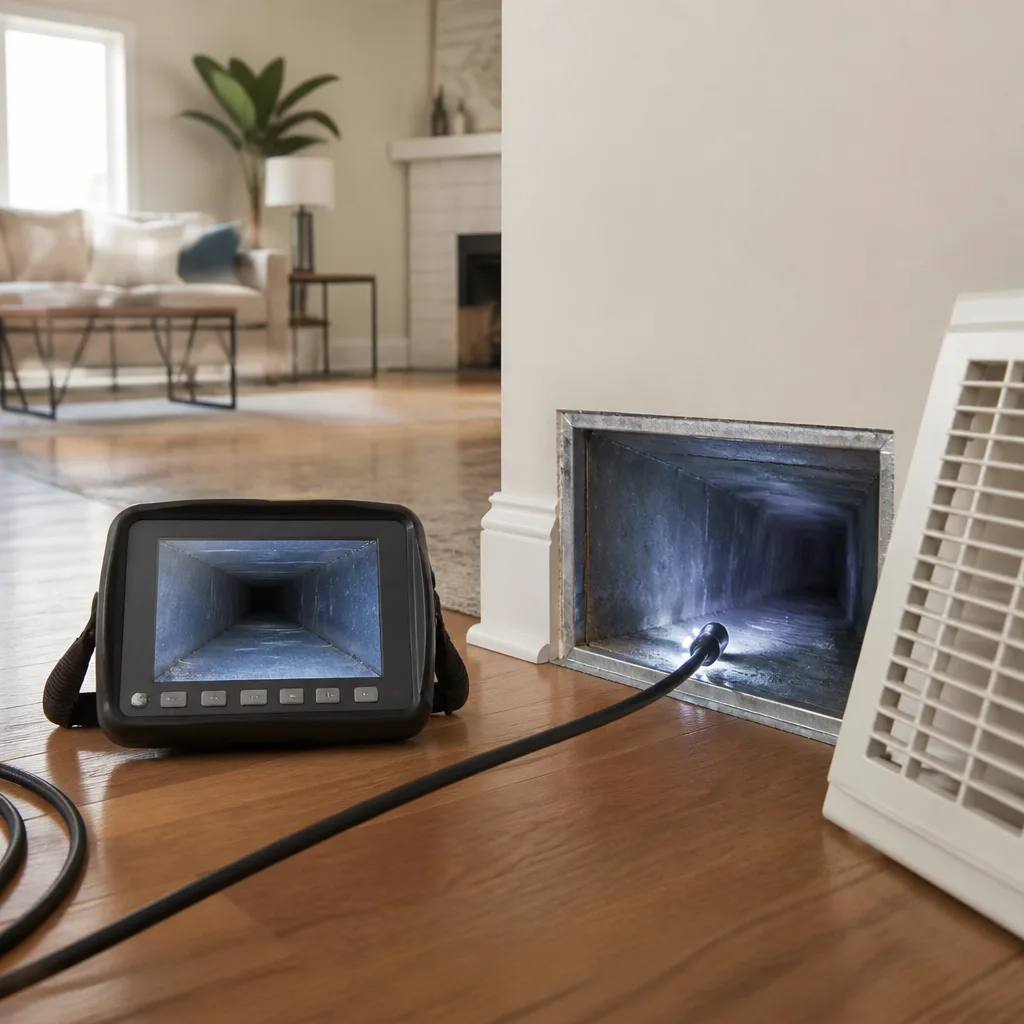 Camera inspection
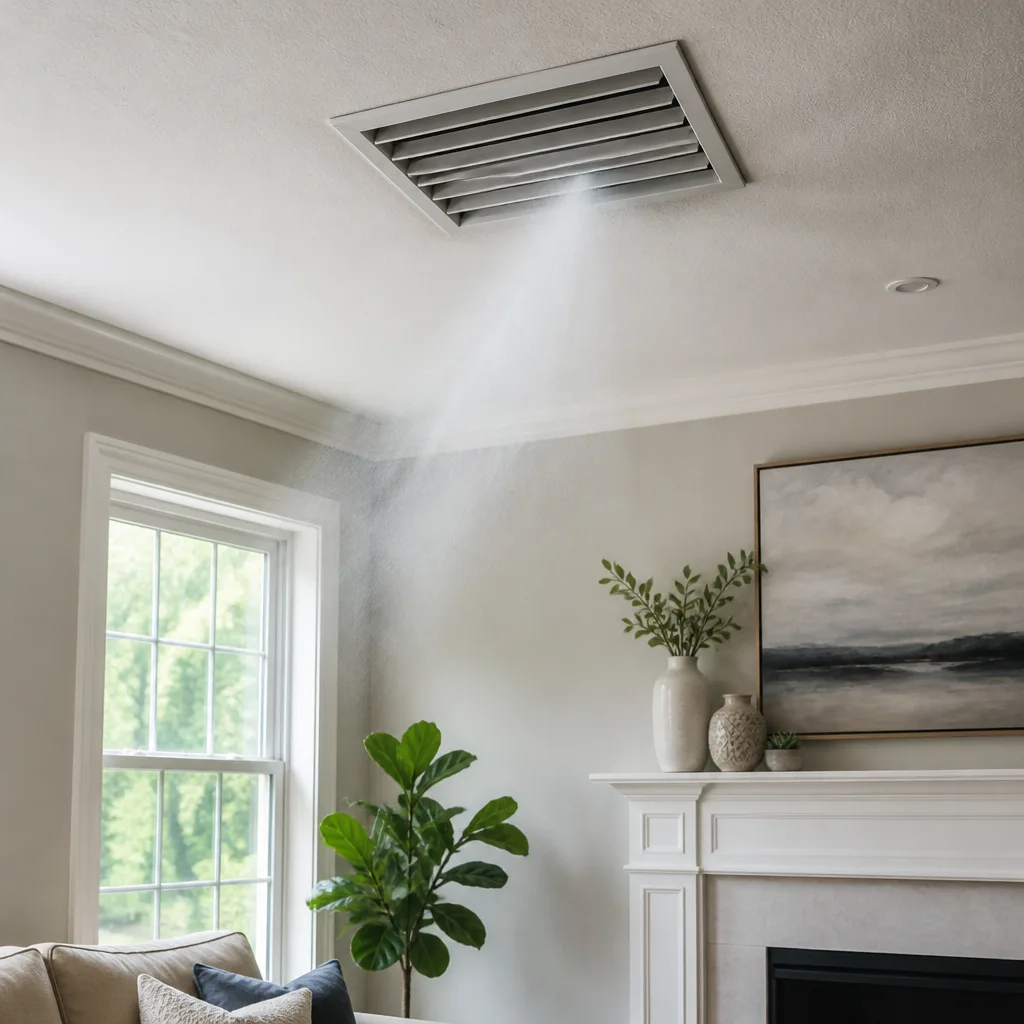 Sanitizing & deodorizing
Whole-system duct and dryer vent check with before-and-after photos - you see exactly what came out of your vents
That "$99 whole-house special" is a bait ad - the real number appears once they are in your hallway, or the "clean" is a shop-vac at the register. We photograph the inside of your ducts before and after instead.
Air Duct Cleaning Maintenance Schedule: What to Do and When
The EPA’s oft-cited “3 to 5 years” duct cleaning guideline was never meant to be a universal rule. It’s a baseline for average homes with no complicating factors, and very few Winston-Salem homes actually qualify as average. Add a recent kitchen remodel, two shedding dogs, or a family member with asthma, and that interval stops being useful. This guide lays out a variable-interval maintenance schedule built around your home’s real conditions, what you should handle yourself between professional visits, and the milestone events that mean you should book an inspection ahead of schedule.
Quick Answer
Most Winston-Salem homes should have their air ducts professionally cleaned every 3 to 5 years if no complicating factors apply. Homes with pets, recent renovations, allergy or respiratory concerns in the household, or aging flex duct should schedule every 2 to 3 years. Check your filters monthly, inspect registers visually twice a year, and book a professional inspection after any water intrusion, HVAC replacement, or major remodel.
Styles & brands we work with
- Whole-home duct cleaning
- Dryer vent cleaning
- Camera inspection
- Sanitizing & deodorizing
Table of Contents
- Why a Generic 3-to-5-Year Rule Doesn’t Fit Most Homes
- The Four Factors That Set Your Actual Interval
- Duct Material and How It Changes the Schedule
- What to Do Between Professional Cleanings
- Milestone Events That Trigger an Unscheduled Inspection
- How Deferred Maintenance Compounds Into Repair Costs
- Your Annual Homeowner Checklist
- Tasks That Require Professional-Grade Equipment
Why a Generic 3-to-5-Year Rule Doesn’t Fit Most Homes
The three-to-five-year guideline gets passed around because it’s easy to remember and easy to repeat. What it leaves out is everything that actually determines how fast a duct system collects debris. Two houses on the same Winston-Salem street can have completely different maintenance needs based on how many people live in them, what kind of flooring they have, whether pets are in the house, and how old the ductwork is. A rule that ignores those variables isn’t a schedule. It’s a guess.
In our experience, the homes that need cleaning most often are rarely the ones homeowners expect. A single-occupant house on a wooded lot with a well-maintained filter can go five years between cleanings and be barely dirty. A busy household with two golden retrievers, kids, and a kitchen renovation in progress can accumulate visible debris in eighteen months. The variable that matters most isn’t time. It’s load.
Winston-Salem adds its own wrinkle. The Piedmont climate swings through humid summers and cooler winters, which means HVAC systems run hard in both seasons. A system that moves more air for more months of the year collects more airborne debris by default. Add the region’s pollen season each spring, which sends fine particulates into every return the system pulls from, and a purely calendar-based cleaning interval starts to look fragile. The schedule below is built to fit the conditions inside your house and around it, rather than a national average that almost never applies.
The Four Factors That Set Your Actual Interval
Four variables do most of the work. If you can honestly assess each one for your own home, you can set a reasonable cleaning interval before you ever call anyone. The framework is simple: each factor that applies to your household shortens the recommended interval, and multiple factors together compound the effect.
- Occupant sensitivity. Household members with asthma, allergies, or other respiratory conditions benefit from tighter intervals. If anyone in your home notices more dust, congestion, or irritation when the HVAC is running, that’s a signal to shorten the cycle.
- Pet count and coat type. One short-haired cat is not the same as three double-coated dogs. Pet dander, fur, and tracked-in debris raise the load on your system and reduce the useful interval between cleanings.
- Recent renovation activity. Drywall dust, sawdust, insulation fibers, and construction debris all get pulled into return ducts. A renovation underway or completed in the past twelve months should always trigger an inspection.
- Duct material and condition. Sheet metal, flex duct, and fiberboard behave differently, and older flex or any fiberboard-lined duct shows wear faster.
Count how many factors apply. If none do, a four-to-five-year interval is usually reasonable. One factor brings it to three to four years. Two factors, two to three years. Three or more, every one to two years, with an inspection after any renovation or HVAC change. This framework is what we use when we quote work in Winston-Salem, and it’s a much more honest guide than a fixed calendar.
Duct Material and How It Changes the Schedule
Not all ducts collect debris at the same rate, and not all of them respond the same way to cleaning. The material your system is built from affects both how often it needs cleaning and how much care that cleaning requires. If you don’t know what your ducts are made of, a professional inspection will tell you in minutes.
- Sheet metal ductwork is the most durable. It handles mechanical agitation well and can be cleaned thoroughly without much risk. It’s the least urgent of the three, but it still collects dust and debris at a rate driven by the four factors above.
- Flexible ductwork (flex duct) is common in newer construction and gets installed in tight spaces. It’s more prone to damage during cleaning because its inner liner can tear, and it sags over time, which creates low spots where debris settles. Homes with older flex duct often need closer attention than the age alone would suggest.
- Fiberboard duct is the material that needs the most care. Its interior surface is porous and can’t be scrubbed the way metal can, so it has to be handled with equipment and technique that won’t break down the wall surface. Fiberboard in an older Winston-Salem home or an older commercial space warrants an inspection schedule rather than a fixed interval.
If your home mixes materials, which happens after additions, the system has to be evaluated in sections. We use equipment from Rotobrush and Nikro for mechanical cleaning, and the technique changes depending on the material. Our technicians have up to 13 years of experience with this range of systems. We’ve run into all three material types here in Winston-Salem, and we can usually identify what you have during an inspection without opening walls.
What to Do Between Professional Cleanings
The weeks and months between professional cleanings matter as much as the cleaning itself. A well-maintained system between visits stays cleaner longer, and small issues caught early rarely turn into expensive ones. The list below covers the tasks that most homeowners can handle, followed by the ones that need equipment and training.
Filters
Check your filter monthly. If it looks gray and matted after thirty days, replace it. If it’s still holding color after six to eight weeks, you can stretch the interval but check again in a month. Filter grade matters too. A MERV 8 filter catches a wide range of ordinary household debris without choking airflow. Higher-rated filters, MERV 13 and above, catch finer particles but restrict airflow if your system wasn’t designed for them, so check your equipment’s rating before upgrading. Under-filtering is common and it directly lowers the interval between professional cleanings.
Register checks
Once every six months, walk through your home and look at each supply register and return grille. You’re looking for visible dust streaks, dark discoloration on the diffuser, or debris sitting inside the boot. If you see dark dust accumulation on the grille itself, that usually points to a duct source rather than just a dirty room. If the grille looks clean but airflow from one register is weak, that’s a signal to check for a closed damper or a duct problem rather than a cleaning need.
Humidity control
Piedmont NC humidity is one of the region’s defining features, and duct systems spend a lot of the year moving air that carries moisture. The standard target for interior relative humidity is between 30% and 50%. Above 50% and you’re creating conditions where dust and debris in ductwork become a food source for mold growth, and moisture issues in duct interiors that start small can turn into repair problems. Whole-home humidity control through a properly sized system, and in some cases through a product from Honeywell or Aprilaire we can install and service, keeps duct interiors drier and reduces the load. Don’t chase humidity with a dehumidifier alone if your HVAC airflow is unbalanced; the airflow problem is the bigger one.
Buying and servicing Delmar Air Duct Cleaning comes up here because the filter change and register check are things you do yourself, while the whole-system humidity and airflow assessment is what we do. Rotobrush and Nikro equipment lets us agitate and extract debris that a household vacuum can’t reach. If you want to read more about how that cleaning process works, our air duct cleaning page covers the method in detail.
Milestone Events That Trigger an Unscheduled Inspection
The calendar-based interval is a floor, not a ceiling. Certain events in the life of a home should trigger an inspection regardless of when the last cleaning happened. If any of the following apply to you, book an inspection before you schedule another regular cleaning.
- Water intrusion. A roof leak, a burst pipe, a flooded basement, or a washing machine overflow can send moisture into the duct system. Wet fiberboard or wet fiberglass lining can become a growth environment quickly, and a visual inspection catches it before it spreads.
- HVAC replacement. When a system is replaced, the ducts stay in place. A new system moving air through old ductwork can stir up settled debris that was undisturbed before, and a system change is a natural point to have the ducts cleaned and inspected before the new equipment goes into operation.
- Home purchase. You don’t know what the previous owner’s cleaning habits were, what renovations they did, or whether the ducts were ever properly serviced. A pre-move-in inspection is one of the easiest quality-of-life decisions in a new home. It’s also a chance to spot duct problems before you commit to living with them.
- Major remodel or renovation. Drywall dust and construction debris get pulled into the return system even when plastic sheeting is up. Post-renovation cleaning is almost always worthwhile, and in some cases duct cleaning becomes necessary just to remove what accumulated during the work. Learn more about our Winston-Salem service area and how we handle post-renovation cleanings.
- New occupants or pets. Adding pets to the household or bringing in new household members with sensitivities changes the load equation and usually justifies an inspection.
We treat these as inspection triggers, not automatic cleaning jobs. Sometimes an inspection tells you the ducts are clean and there’s nothing to do. That’s still worth knowing, and it’s better than guessing.
How Deferred Maintenance Compounds Into Repair Costs
Deferred duct maintenance doesn’t just mean more dust. It means the cost of fixing things goes up over time because the problems compound. Duct systems have several points where an early issue can become a larger one if it’s left alone. Understanding how that process works is the strongest argument for staying on schedule.
The mechanisms of compounding damage
- Loose joints and seams. Small gaps at duct connections let air escape into unconditioned space and let dust and moisture into the airstream. Left alone, gaps widen. Larger leaks mean more debris entrained, more energy loss, and a bigger repair bill than the joint alone would have been.
- Flex duct sagging and crushing. Flex runs that sag create low points where debris and moisture collect. Crushed sections restrict airflow, which forces the system to work harder, which shortens equipment life. A cleaning can address the debris; the crushed run usually needs repair.
- Fiberboard deterioration. Fiberboard interior surfaces can degrade over time if they stay damp or get mechanically damaged. Once the surface is compromised, it can’t be restored the way metal can. Early intervention is the only way to protect it.
- Contamination spread. Contaminants in one section of ductwork can travel through the system and settle in other sections. Cleaning one area and leaving another allows the problem to redistribute, which is why we clean the full system rather than spot-cleaning.
This is why we offer repair alongside cleaning. Most duct cleaning companies clean and walk away, which leaves you calling someone else when the ducts need repair, and possibly paying for a second visit. We handle both. If an inspection finds duct damage, we can address it on the same schedule rather than sending you to a separate contractor. For dryer vents specifically, the deferred-maintenance risk is a fire-safety issue rather than an air quality one. Our dryer vent cleaning service treats that problem as the serious risk it is. Guardsman products round out the maintenance side when we need to protect treated surfaces after cleaning.
Your Annual Homeowner Checklist
A simple annual routine handles the tasks you can do yourself and keeps you aware of your system between professional visits. This list is the homeowner side of the schedule; the next section covers what requires professional-grade equipment and training.
Year-round and seasonal tasks
- Monthly: Check the HVAC filter. Replace when it looks gray, matted, or visibly loaded. Note the date so you can spot trends.
- Monthly: Clear the return grilles in high-traffic rooms of visible dust and pet hair.
- Twice a year (spring and fall): Walk the house and visually inspect every supply and return. Note dust streaks, dark discoloration, weak airflow, or strange odors at any register.
- Spring: After the peak pollen season, check the filter and return grilles more often. Piedmont pollen season pushes more fine particulate through the system.
- Summer: Monitor interior relative humidity. Aim for 30% to 50%. If humidity is consistently above that range, raise it with your HVAC provider or with us if you want a whole-home assessment.
- Fall: Check outdoor and indoor dryer vent connections if you have a dryer. Confirm the outdoor flapper moves freely and the duct run isn’t crushed or kinked.
- Once a year: Note any renovation activity, new pets, or changes in household health conditions, and factor them into your next cleaning interval.
- Every 3 to 5 years (sooner for high-load homes): Book a professional duct cleaning and inspection.
If you’re not sure where your home falls on that last item, an inspection answers the question. Call (844) 834-1338 for an accurate assessment. We answer 24/7. Fast dispatch from 7am to 7pm, Sunday through Friday.
Tasks That Require Professional-Grade Equipment
A household vacuum cannot clean a duct system. Neither can a shop vac with a hose extension. The volume of air moved by an HVAC system is much larger than any consumer vacuum can handle, and ducts have interior surfaces that need mechanical agitation rather than surface vacuuming. Understanding why the professional tools matter is useful for judging any cleaning quote you receive, including ours.
What proper cleaning actually involves
- Negative air pressure. The duct system is put under negative pressure so that debris is captured rather than released into your home. Equipment from Abatement Technologies is designed for this purpose and is used in situations where containment and controlled pressure matter most.
- Mechanical agitation. Rotary brushes and air whips physically loosen debris from duct walls. Surface vacuuming alone leaves material behind. We use the Rotobrush rotary brush system for this step because it reaches duct interior surfaces without requiring ductwork disassembly.
- Extraction. Once debris is loosened and airborne, high-volume extraction pulls it out of the system. Nikro equipment is built for this industrial-scale extraction and is standard across commercial and industrial work.
- Inspection. A proper cleaning includes inspection before and after so you know what the system looked like at the start and what it looks like when the work is done. Before-and-after visibility is one of the ways you can tell the work was actually done.
Consumer-grade equipment can’t perform any of those four steps at the scale a duct system requires. If a quote is based on a shop vac and a hose, it isn’t duct cleaning. The professional equipment is also why some jobs come with a higher price than others. Cleaning a full system properly involves more time and equipment than spot-vacuuming registers, and our full-service scope, including duct repair, is why a single call can address the entire duct lifecycle.
Common Mistakes to Avoid
- Treating the 3-to-5-year figure as a rule. It’s a baseline for average homes. In Winston-Salem, the combination of long humid summers and heavy pollen seasons often pushes the interval shorter even in homes with no other complicating factors.
- Skipping the inspection after a renovation. Drywall dust and construction debris reach the return system even with containment. A post-renovation inspection catches problems before they affect the whole system.
- Letting a wet duct sit. If you’ve had water intrusion of any kind, don’t assume the ducts are dry because the room is. Moisture in fiberboard or fiberglass lining becomes a bigger problem quickly, and an inspection is the only way to know.
- Upgrading filter grade without checking the system. Higher MERV filters catch finer particles but restrict airflow if the system wasn’t designed for them. The restriction can shorten equipment life, which is worse than the particles you were trying to catch.
- Hiring for the lowest quote without asking what’s included. Quotes that don’t cover mechanical agitation, extraction, and inspection are not comparable to ones that do. The cheapest quote is usually the shallowest clean.
- Ignoring airflow changes. If one room feels harder to heat or cool than the rest of the house, that’s a sign of a duct issue, not just a dirty room. Mentioning it during an inspection saves you from waiting until it becomes obvious.
- Forgetting the dryer vent entirely. Dryer vents are a separate maintenance item from HVAC ducts. They collect lint, they’re a fire-safety concern, and they need their own cleaning schedule rather than being folded into the HVAC duct visit.
See the difference
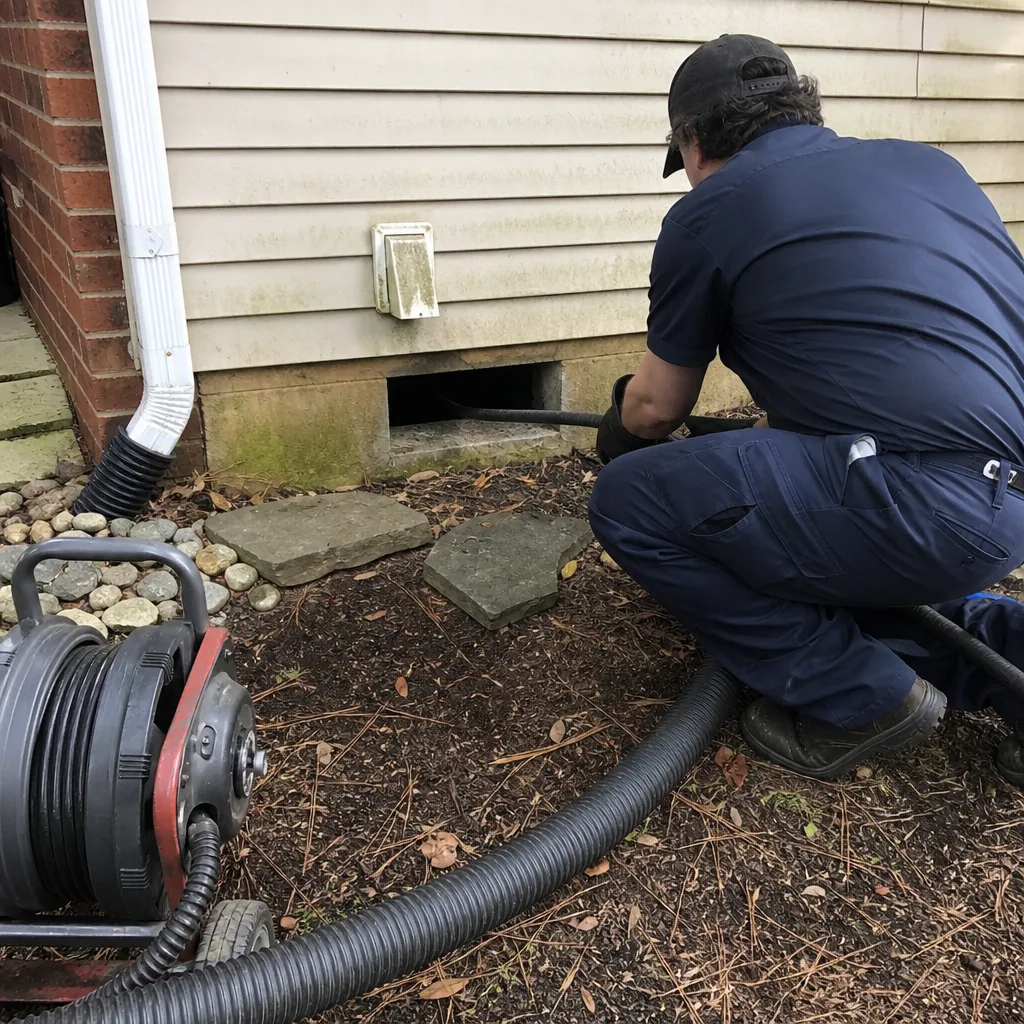 Before
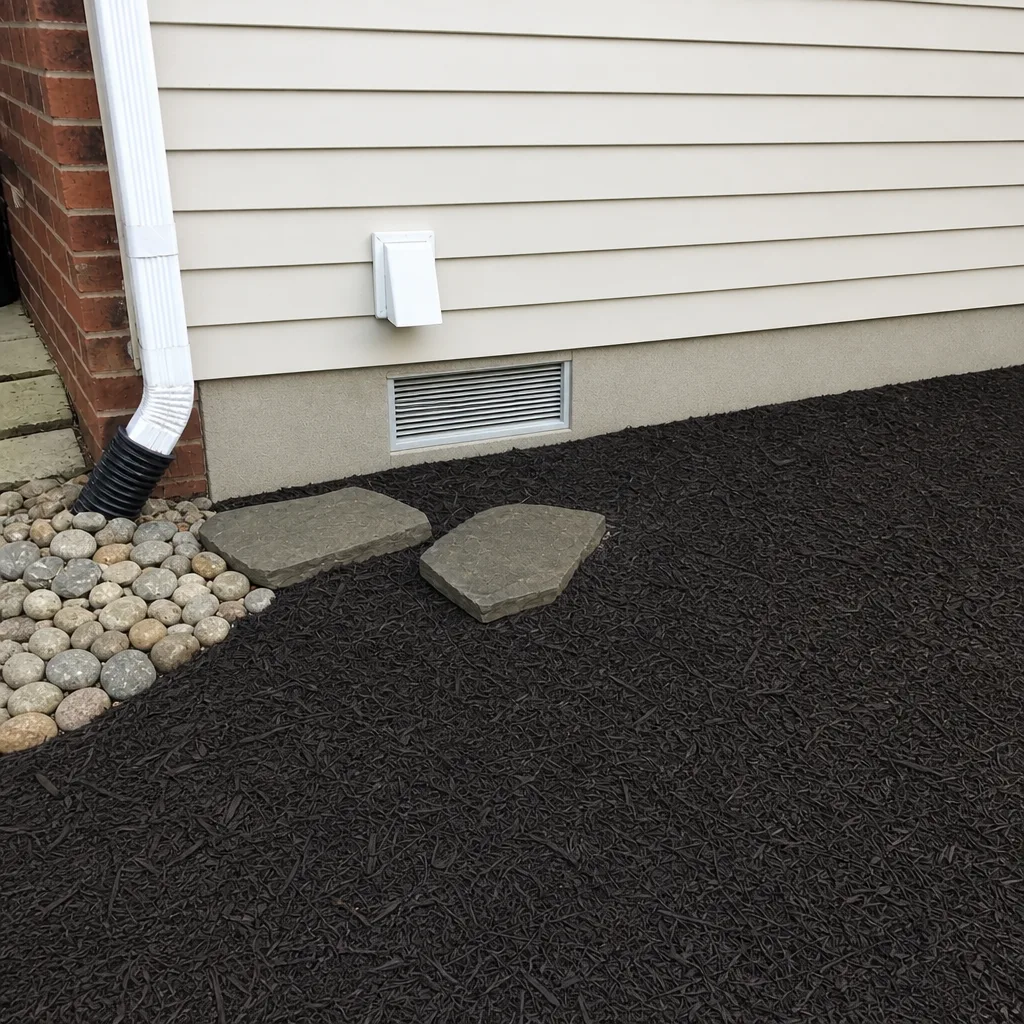 After
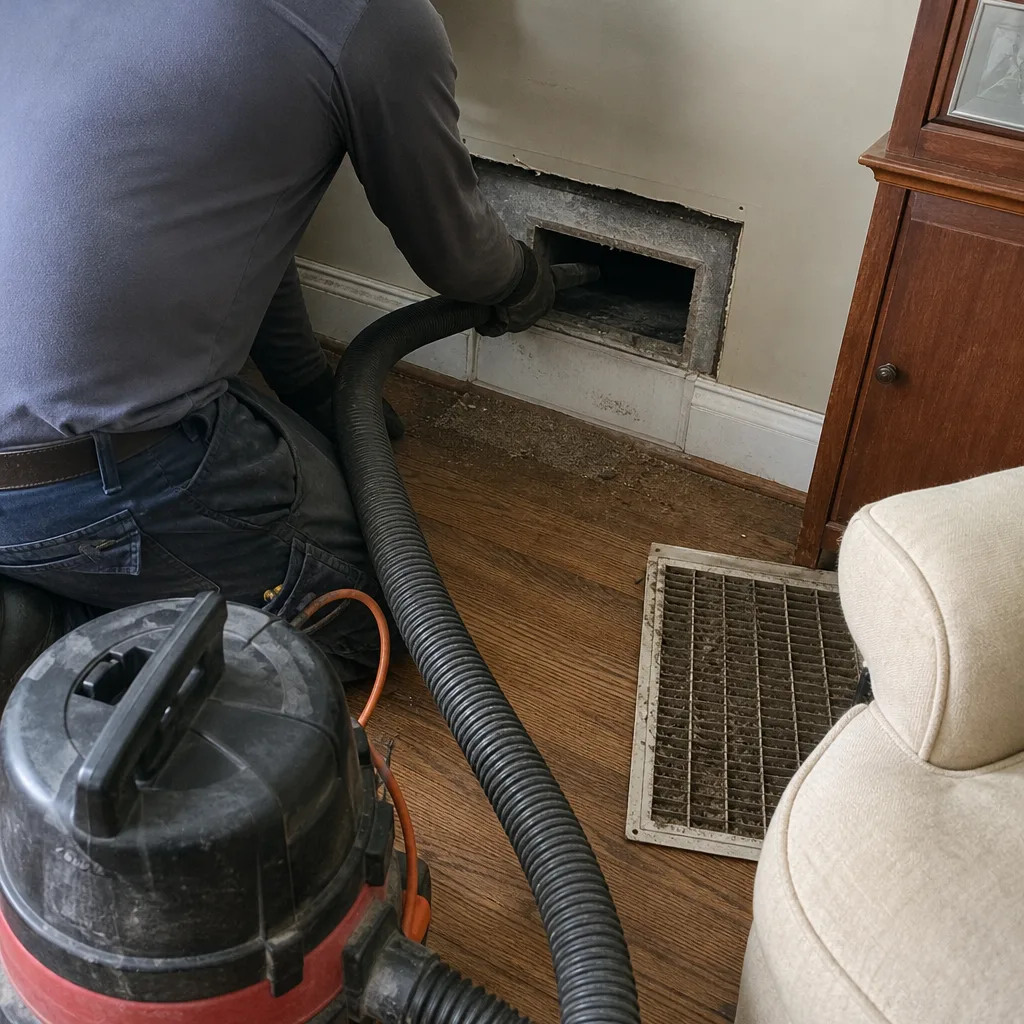 Before
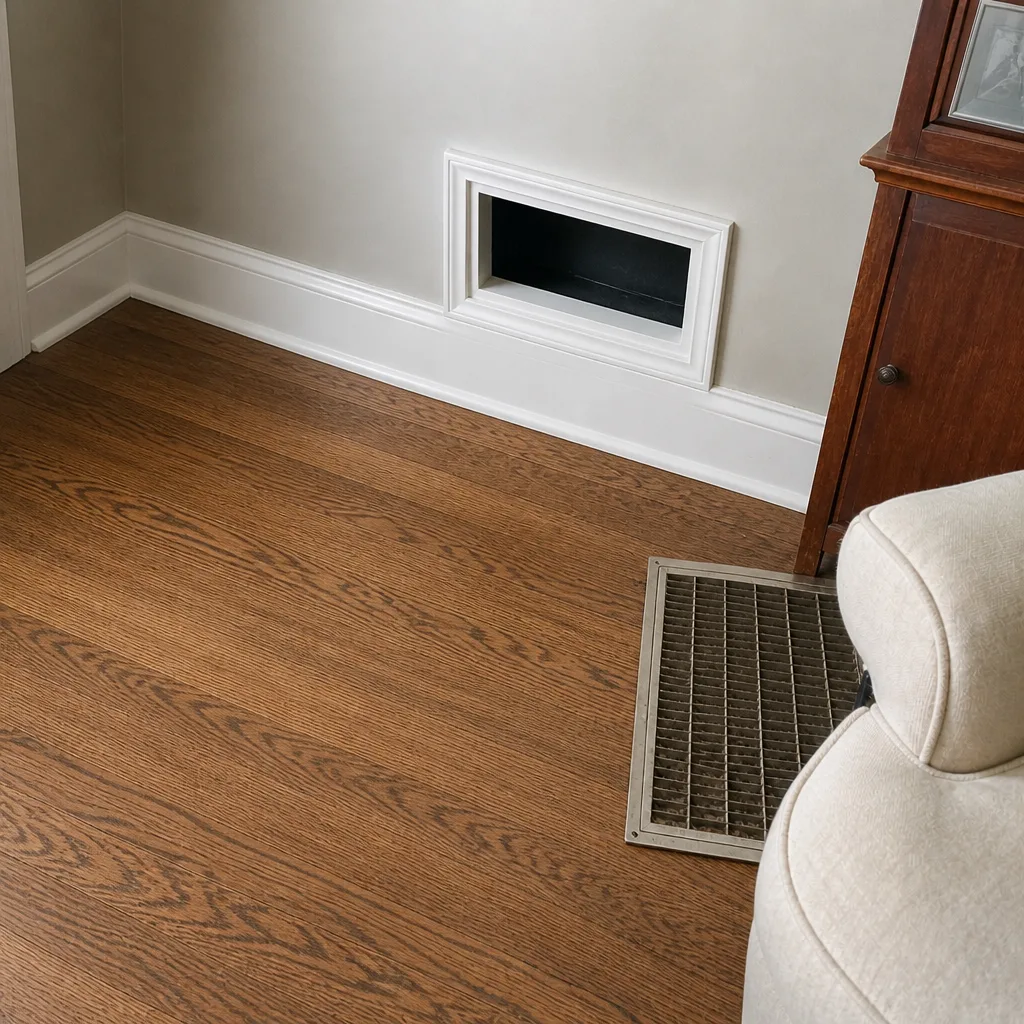 After
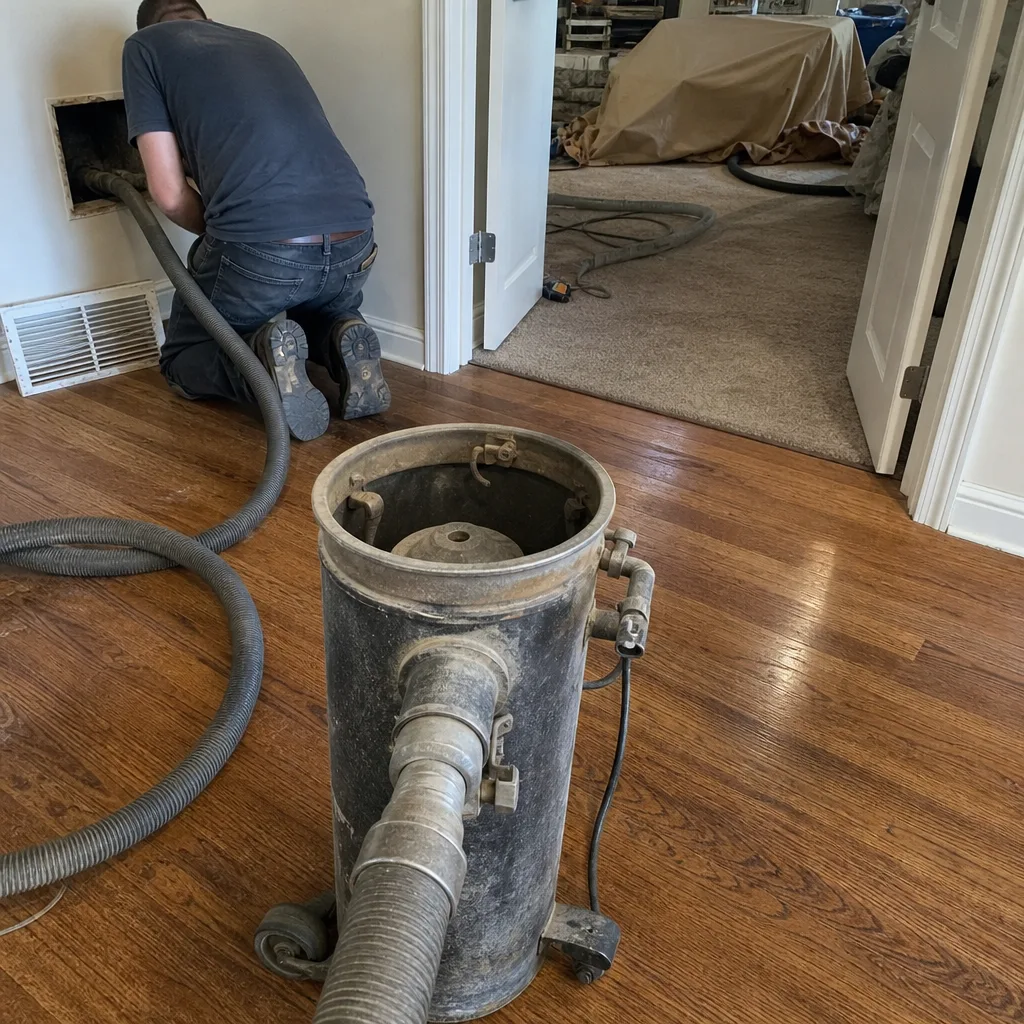 Before
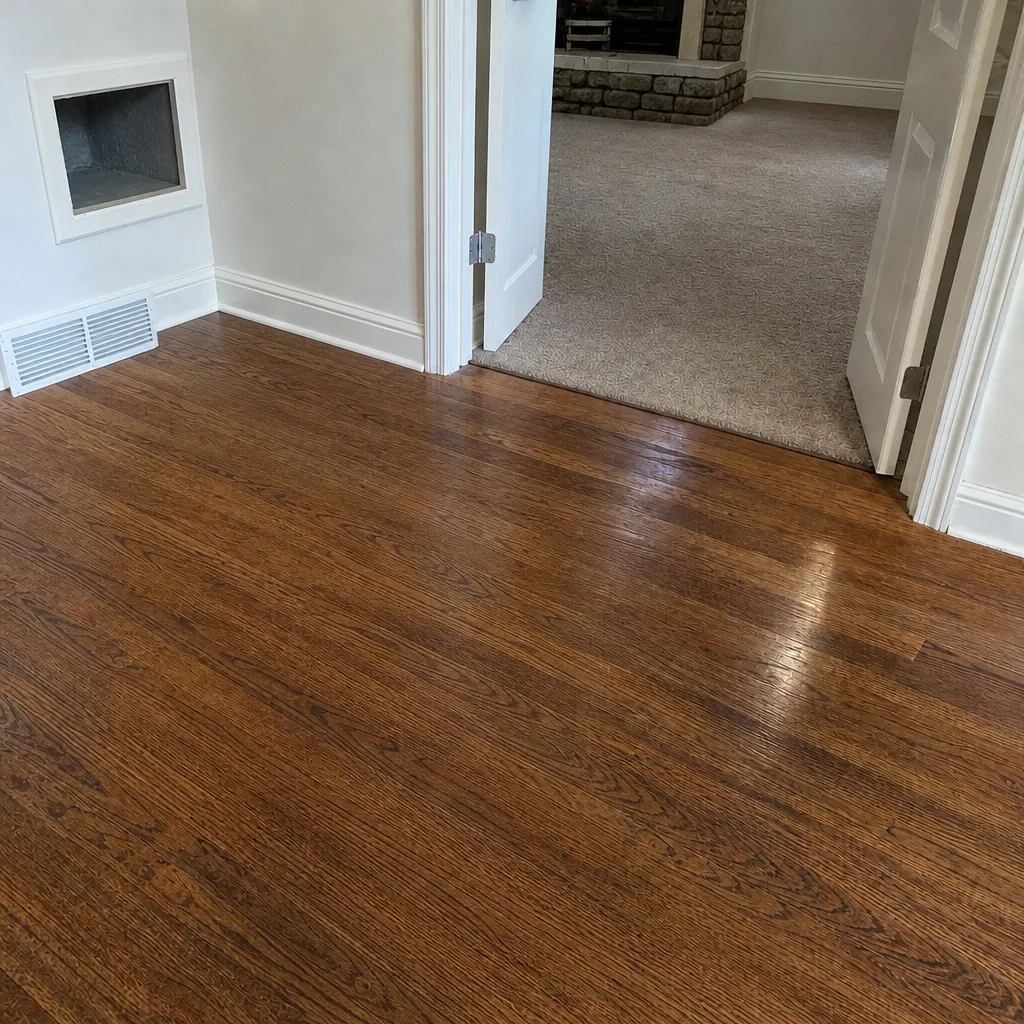 After
When to Call a Professional
Some conditions call for a professional rather than a wait-and-see approach. Book an inspection if you notice a persistent musty odor when the HVAC runs, visible dust streaks around the registers, or debris falling from a supply vent. Book it if anyone in the household has respiratory sensitivities and reports symptoms that clear when they leave the house. Book it after any water event, HVAC replacement, or major renovation. Book it if you’ve purchased a home and don’t know the cleaning history. Book it if your dryer is taking noticeably longer to dry a normal load, which points to a dryer vent issue rather than the appliance itself.
Delmar Air Duct Cleaning offers free estimates in Winston-Salem. Call (844) 834-1338. We answer 24/7. Fast dispatch from 7am to 7pm, Sunday through Friday.
Frequently Asked Questions
Every 3 to 5 years for a low-load home, and every 1 to 3 years if you have pets, allergies, a recent renovation, or older flex or fiberboard ductwork. The Piedmont climate adds humidity and pollen load, which often pushes the interval toward the shorter end even for homes with no other complicating factors. Call (844) 834-1338 for an exact quote on an inspection, and we’ll tell you whether your home qualifies for the longer end of that range.
Yes, when the cleaning is done with proper mechanical agitation and extraction, and it’s the professional-grade part of the job that does the work. Consumer-grade equipment moved through registers won’t achieve the same result. A full-system clean with Rotobrush and Nikro equipment extracts debris the system has accumulated over years, and an inspection before and after shows you what changed. Call (844) 834-1338 for an exact quote.
Because the price usually reflects what’s included, and a cheap quote often isn’t doing the full job. A quote that doesn’t cover mechanical agitation, high-volume extraction, and inspection is pricing a surface service rather than a full-system clean. Our price is one flat price per system, agreed before work starts, with no per-vent pricing. It covers the full scope. Call (844) 834-1338 for an exact quote.
You see it. A proper cleaning includes before-and-after visibility, so you can look at photographs of your own ducts at the start and finish of the work. A company that can’t show you that has left you guessing. Call (844) 834-1338 for an exact quote and to hear how we handle the inspection step.
Cleaning removes accumulated debris from duct interiors. Repair fixes physical problems: loose joints, crushed flex runs, deteriorated fiberboard, or sections that have come apart. Some homes need both, and most duct cleaning companies only offer the first. We handle both, so an inspection that finds damage can turn into a repair on the same schedule. Call (844) 834-1338 for an exact quote.
No, and it shouldn’t be. Dryer vents are a separate system with a separate risk profile. Lint accumulation in the vent is a fire-safety concern, and dryer vent cleaning is a standalone service we handle directly rather than folding into the HVAC duct visit. If your dryer is taking noticeably longer to dry a load, that’s the trigger. Call (844) 834-1338 for an exact quote.
The Bottom Line
The three-to-five-year cleaning interval is a starting point, not a rule. Set your actual schedule using the four-factor framework: occupant sensitivity, pet count, recent renovation, and duct material. Handle filters, register checks, and humidity monitoring yourself between visits. Book a professional inspection after any water event, HVAC replacement, home purchase, or major remodel. And treat duct repair as an ongoing part of maintenance rather than something that happens when a cleaning reveals it, because small problems delayed become bigger and more expensive ones. If you’re unsure where your home falls on the schedule, a free estimate is the fastest way to find out. Call (844) 834-1338. We answer 24/7. Fast dispatch from 7am to 7pm, Sunday through Friday.
Written by the team at Delmar Air Duct Cleaning.