
Last updated November 14, 2026
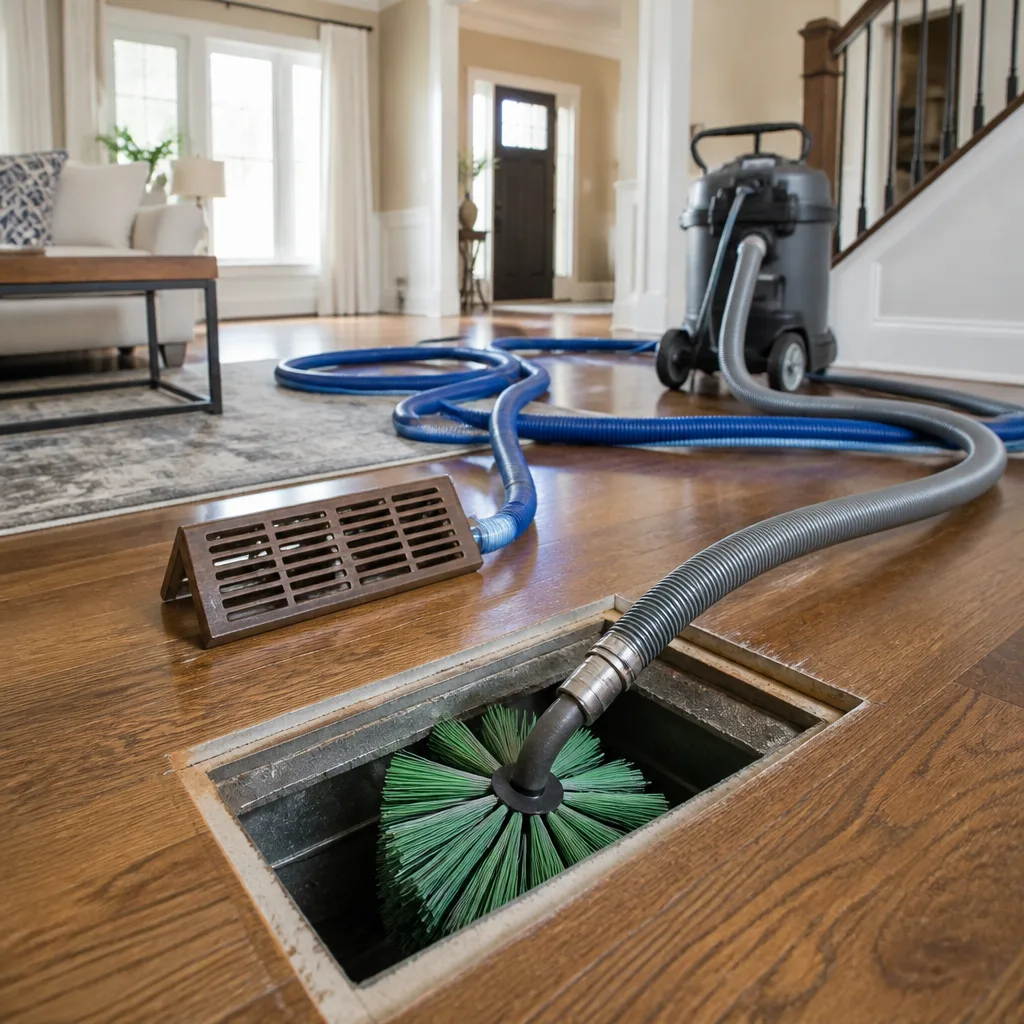 Whole-home duct cleaning
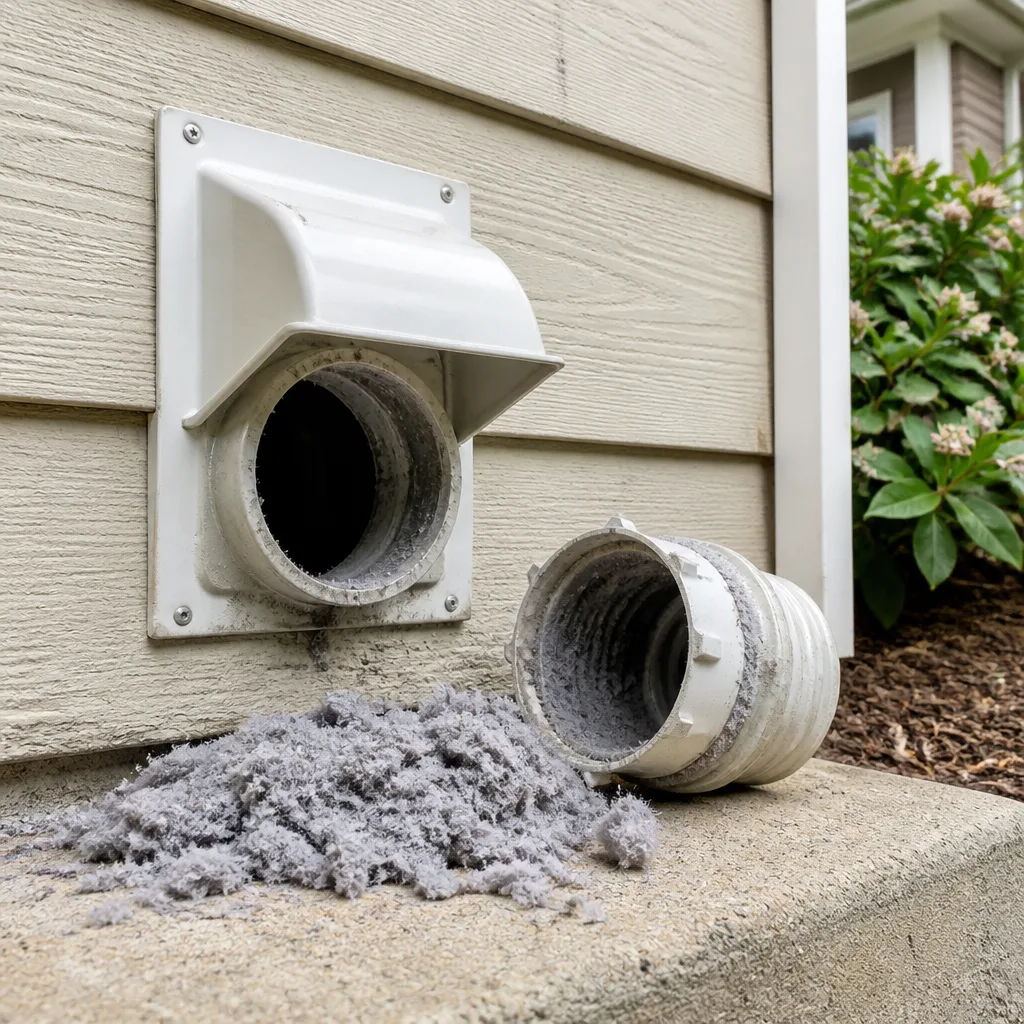 Dryer vent cleaning
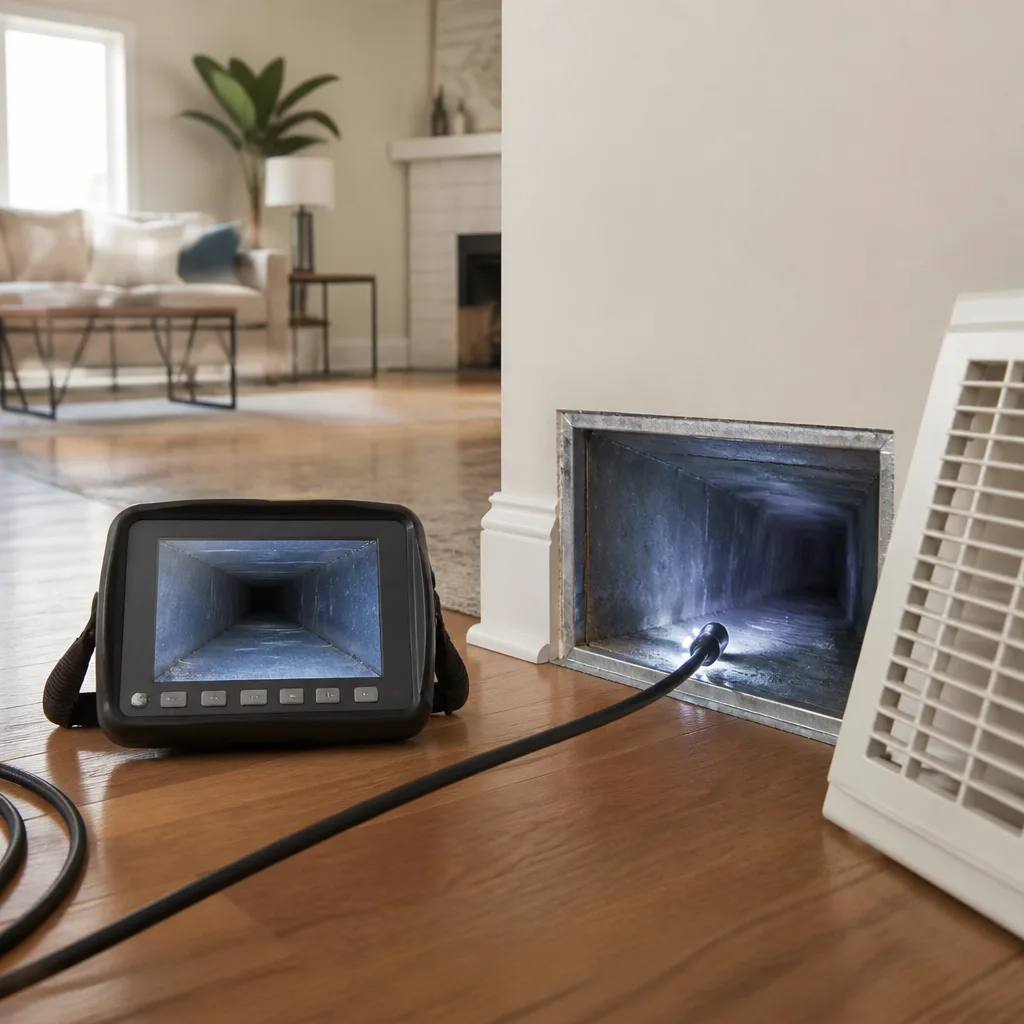 Camera inspection
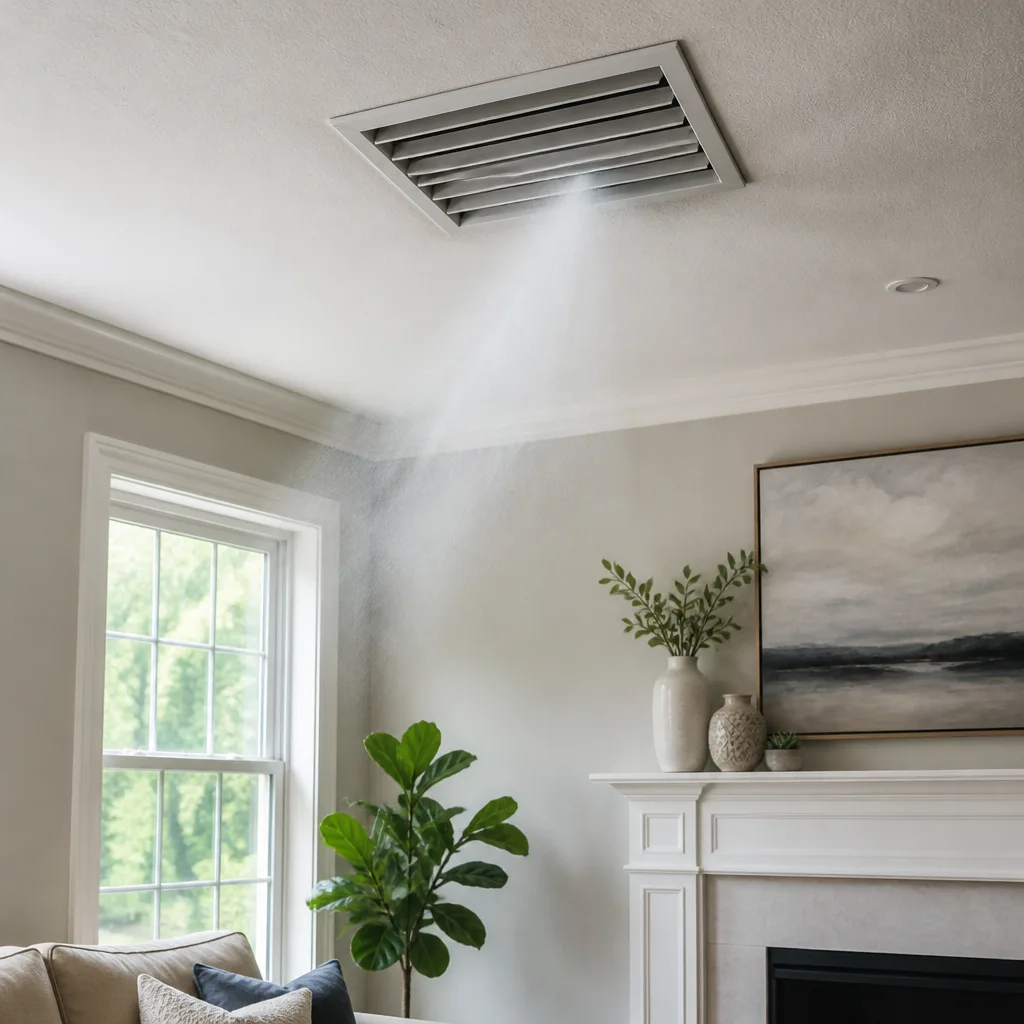 Sanitizing & deodorizing
Whole-system duct and dryer vent check with before-and-after photos - you see exactly what came out of your vents
That "$99 whole-house special" is a bait ad - the real number appears once they are in your hallway, or the "clean" is a shop-vac at the register. We photograph the inside of your ducts before and after instead.
Seasonal Air Duct Cleaning Care for Winston-Salem: Year-Round Homeowner’s Guide
Most homeowners treat duct cleaning as a once-a-year chore, usually scheduled when something already smells wrong or a vent looks dusty. Here’s the counterintuitive part: timing matters as much as the cleaning itself. Winston-Salem sits in the Piedmont Triad, where four very different seasonal stresses hit a duct system in a single year – heavy spring pollen, long humid summers, fall debris drawn in during the first heating cycles, and winter combustion byproducts circulating through the same channels. A single cleaning timed to one of those seasons misses the other three. This guide walks through each season, explains what’s actually happening inside your ducts, and shows you how to build a maintenance calendar that front-loads inspections before high-use seasons rather than after.
Quick Answer
The best approach to seasonal duct care in Winston-Salem is a pre-season inspection in early spring and early fall, a full mechanical cleaning once contamination is confirmed, and a filter and return-screen check after peak pollen in April and May. Winston-Salem averages over 1,000 cooling hours a year – more than most mid-Atlantic cities – so summer moisture is the season that causes the most long-term damage to residential duct systems here. Cleaning should follow inspection, not replace it.
Styles & brands we work with
- Whole-home duct cleaning
- Dryer vent cleaning
- Camera inspection
- Sanitizing & deodorizing
Table of Contents
- Spring: Pollen Loading and Return-Screen Checks
- Summer: Condensation, Mold Risk, and Flex Duct in Crawl Spaces
- Fall: Landscaping Debris and Startup After Dormancy
- Winter: Combustion Byproducts and Heat Exchanger Health
- Building a Winston-Salem Maintenance Calendar
- What a Proper Pre-Season Inspection Includes
- When Cleaning Isn’t Enough: Duct Repair Signals
- How Much Seasonal Duct Care Costs
Spring: Pollen Loading and Return-Screen Checks
Spring in Winston-Salem is beautiful and brutal on duct systems at the same time. The oak, pine, and maple pollen that coats every car in the city also finds its way into return duct screens, filter housings, and the coil face of your air handler. When homeowners switch the system from heat to cooling for the first time in April or May, they often do it without checking any of those entry points first. The result is pollen that bypasses a saturated filter, sticks to the evaporator coil, and becomes the food source for everything that comes next.
What to check around late March and again after the pollen peak in early May:
- Return duct screens – the grilles on central returns trap a surprising amount of fibrous debris. A clogged screen chokes airflow and forces the blower to work harder.
- Filter housing fit – a filter that doesn’t seat snugly lets unfiltered air slip past it. That gap is where pollen enters the system.
- Filter MERV rating – a higher-MERV filter during pollen season helps, but only if the blower can handle the added static pressure. If airflow drops noticeably, back off one step.
- Supply vent dust trails – streaks of gray dust fanning out from a supply register usually mean debris is being pushed through, not filtered out.
If the system has been running a full pollen season without a screen and filter check, professional air duct cleaning is worth a look before summer humidity sets in. The combination of pollen residue plus the moisture that follows is the worst possible foundation for a duct system.
Summer: Condensation, Mold Risk, and Flex Duct in Crawl Spaces
Winston-Salem’s summers run long and humid, and the region accumulates more cooling hours than most mid-Atlantic cities. That matters because high cooling hours mean months of continuous operation in high-humidity conditions. Every summer, moisture-related contamination has enough time to establish itself. The trouble spots are almost always flex duct runs in unconditioned spaces – vented crawl spaces and attics – where the duct surface temperature drops well below the surrounding dew point.
Where condensation points develop:
- Flex duct in vented crawl spaces – warm humid air meets a cold duct jacket, and moisture beads on the outer vapor barrier. Any pinhole in that barrier becomes an entry point for humid air into the insulation.
- Attic duct runs with inadequate insulation – particularly where ductwork sags between trusses and the jacket compresses, dropping the R-value right where the temperature differential is greatest.
- Boot transitions at floor registers – the metal boot stays cold, and the wood subfloor around it can sweat. Repeated wet-dry cycles leave staining and a musty odor.
- Coil cabinets and plenum connections – any gap in a plenum joint lets humid attic or crawl air into the supply stream.
Mold needs three things: moisture, a food source, and time. Summer in Winston-Salem supplies all three. If you notice a musty smell in the first weeks of cooling season, that’s a signal to inspect, not to spray an air freshener. We use Abatement Technologies equipment when a job calls for containment and controlled air pressure – the same approach commercial contractors take when contamination risk is high. Ordinary vacuuming during a mold event just spreads spores through the house.
Fall: Landscaping Debris and Startup After Dormancy
Fall is the season most Winston-Salem homeowners overlook entirely. The system spends most of September and early October in a low-load mode – cool nights, warm days, and a lot of on-and-off operation. Then the first real cold snap hits, the heat comes on, and the system pulls in whatever has accumulated around the outdoor unit, at the return, and inside the duct runs during that transition. Leaf litter, pine straw, and fine landscaping dust are the usual suspects.
Before the first heating call of the season:
- Clear leaf litter and pine straw from around the outdoor condenser so it can breathe during any remaining cooling days.
- Check the return grilles for dust that has settled over the summer and any visible debris that found its way in during fall yard work.
- Inspect interior supply registers for dust tracking around the edges, which suggests the boot connection has opened up.
- Replace the filter – the one that sat through pollen season is not the one you want running all winter.
The fall check is where a lot of Winston-Salem homeowners discover that the duct system took on damage over the summer without anyone noticing. Flex duct that worked fine in June can develop a tear or a collapsed section by October, particularly in attics where the extreme heat degrades the jacket and the flex core alike. A pre-heating inspection catches that before the system runs hard for months in a compromised state.
Winter: Combustion Byproducts and Heat Exchanger Health
Winter is where duct care and safety overlap. Any home with a gas furnace, a gas water heater in an interior closet, or a wood-burning stove has combustion byproducts that must be vented properly. In a sealed-up Winston-Salem house in January, a compromised heat exchanger or a backdrafting water heater can introduce carbon monoxide into the airstream. The duct system is not the cause, but it becomes the delivery mechanism if there is a leak near the return path or a shared closet with the air handler.
What a properly functioning heat exchanger versus a cracked one means for indoor air:
- Intact exchanger – combustion gases travel only through the flue, never entering the supply air. Duct cleaning does not affect this, but the duct system stays clean and the burner area stays free of soot.
- Cracked exchanger – combustion gases can leak into the supply airstream. Duct cleaning does nothing to help this and could spread soot through the house. This is an HVAC service call, not a cleaning job, and it needs to happen before any duct work.
- Backdrafting water heater – a common problem in tightly sealed winter homes. The exhaust can spill into the interior closet instead of up the flue, and a return grille near that closet pulls it straight into the system.
If you smell a “burnt dust” odor at the start of heating season, that’s usually just the first warm-up after dormancy. If it persists, or if you smell combustion gas (a sharper, unfamiliar odor), stop and call an HVAC technician. Duct work is not the first thing to reach for in that situation.
Building a Winston-Salem Maintenance Calendar
The point of a seasonal calendar is to work ahead of high-use seasons, not react to them. Here is the sequence we recommend to homeowners in the Triad. Each task is timed for the climate, not for convention.
- Late February / early March – Before pollen hits and before cooling starts, check return screens, filter housing fit, and coil face. Schedule a Delmar Air Duct Cleaning inspection if the system has been running for a full heating season without a filter change.
- Late March – Fresh filter installed. Check flex duct in the attic or crawl space for condensation staining from the previous summer.
- Late May / early June – After pollen, before serious humidity. Full cleaning if contamination is confirmed. Any duct repair needed on a summer-prone flex run should happen now, before the humidity makes it worse.
- Mid-July to early August – Mid-summer check. Look for musty smell in the first ten minutes of run time. This is the peak mold-risk window in Winston-Salem because of the cooling-hour load.
- Late September to mid-October – Pre-heating-season inspection. Filter change, return check, and any debris cleanup around the outdoor unit. Confirm no summer duct damage carried over.
- Late October / early November – Verify any combustion appliance near duct paths is properly vented. If the furnace has not been serviced, schedule that before the first cold snap.
- December through February – No major duct work needed in a clean system. Watch for the burnt-dust smell at startup and stop immediately if it persists.
That is six to seven checkpoints across the year, but only two full professional cleanings maximum and often just one, timed after pollen or after summer. The calendar is what makes the cleaning effective – a single cleaning dropped into an arbitrary month does less than a system that’s been inspected ahead of every high-stress season. Our technicians have up to 13 years of experience and have walked through this cycle in hundreds of Piedmont Triad homes.
What a Proper Pre-Season Inspection Includes
An inspection that earns its place on the calendar looks at more than the outside of a vent. It checks the whole air path. If you hire a contractor who only peers into one or two supply registers and then quotes a cleaning, you are not getting an inspection – you are getting a sales visit.
A genuine inspection covers:
- Filter housing integrity – does the filter seat properly, or is there a bypass gap?
- Return duct condition – visible debris load, screen blockage, and whether the return is pulling from an area with a combustion appliance or a chemical storage closet.
- Flex duct in unconditioned space – jacket integrity, sagging, insulation compression, and any sign of condensation staining.
- Boot and register connections – gaps at the floor or ceiling that allow attic or crawl air to enter the supply stream.
- Coil and plenum – the visible face of the evaporator coil and any plenum joint where unfiltered air can be drawn in.
- Dryer vent path – separate from the HVAC system but part of the same air quality picture, and something we check whenever we are in the laundry area.
Professional equipment makes the difference here. We use Rotobrush rotary brush systems and Nikro cleaning equipment – the same tier of tools used by commercial HVAC contractors – so what we find during an inspection is what we can actually remove. Consumer vacuums and shop vacs cannot agitate the dust that has bonded to duct walls over a full season.
When Cleaning Isn’t Enough: Duct Repair Signals
Some duct problems can’t be cleaned out. A torn flex run, a collapsed section, disconnected joints, and crushed boot connections all need repair before cleaning has any lasting value. This is where most cleaning-only contractors have to hand the job off. Our approach is the full arc: clean it, repair it, protect it.
Repair signals to watch for in a Winston-Salem home:
- Hot or cold rooms that never balance – often a collapsed or partially disconnected flex run in the attic or crawl space.
- Dust returning to a room within days of cleaning – usually a supply boot gap or a filter housing bypass pulling in unfiltered air.
- Whistling or rushing-air sounds at a register – restricted airflow or a disconnected run.
- Rising energy bills with no other cause – leaking duct in a vented crawl space or attic can lose a meaningful share of the conditioned air before it reaches a room.
- Visible sagging or kinked flex duct – common in crawl spaces where the installation was tight and the summer heat has degraded the jacket.
Repair plus cleaning in one visit is often cheaper and always more effective than doing them separately. Guardsman-backed duct products and durable flex replacements handle the repair side, and the cleaning that follows is what keeps the new ductwork from inheriting the old problem.
How Much Seasonal Duct Care Costs
Duct cleaning in Winston-Salem is priced per system, per job, by written estimate. There is no per-vent price and no teaser coupon figure – those are the bait-and-switch pattern that gives this trade a bad reputation. Whole-system pricing depends on square footage served, number of registers, system condition, and whether repair is needed alongside the cleaning. A typical estimate on a standard residential system falls in a mid-range band, with repair work quoted separately when it’s identified during the inspection.
What to expect and what to avoid:
- One price per system, written before work starts – the estimate is the price.
- No per-vent upcharge once we are on site – if the crawl space is tight or a flex run has come loose, that’s a repair and it’s quoted separately, not a surprise invoice.
- Before-and-after photos of your ducts – proof of what was actually removed, not a claim.
- Dryer vent cleaning as a standalone service – we quote it on its own, because it addresses a specific fire-safety risk independent of the HVAC ductwork.
If a quote is far below everything else you’ve received, ask what’s actually being done. A low coupon price that becomes a much larger invoice once the technician is on site is the industry’s standard trap. Call (844) 834-1338 for a free estimate – we answer 24/7. Fast dispatch from 7am to 7pm, Sunday through Friday.
Common Mistakes to Avoid
- Cleaning on a schedule that ignores the seasons. A single annual cleaning timed arbitrarily misses the pollen peak in April and the pre-heating-season check in October. Both matter more than the cleaning itself.
- Bumping to a high-MERV filter without checking blower capability. Winston-Salem’s pollen load tempts homeowners to jump to MERV 13 or higher. If your blower can’t handle the static pressure, you’ll choke airflow and lose more efficiency than the filter gains.
- Ignoring condensation stains in the crawl space. A wet jacket on flex duct in a vented crawl space is the earliest visible sign of a mold problem forming. Left alone through a Winston-Salem summer, it becomes a full duct replacement.
- Assuming duct cleaning fixes a cracked heat exchanger. It doesn’t, and it can actually make things worse by spreading soot. Any combustion byproduct concern needs an HVAC safety check before duct work.
- Skipping the pre-heating-season inspection. The first cold snap is the wrong time to discover a duct that failed in August and nobody noticed.
- Treating dryer vent cleaning as part of the duct cleaning visit. It’s a separate fire-safety scope, and it needs its own assessment. The dryer vent is the most overlooked fire hazard in a home.
- Falling for a per-vent quote. Per-vent pricing is how a low teaser estimate becomes a much bigger on-site invoice. Ask for whole-system pricing in writing.
See the difference
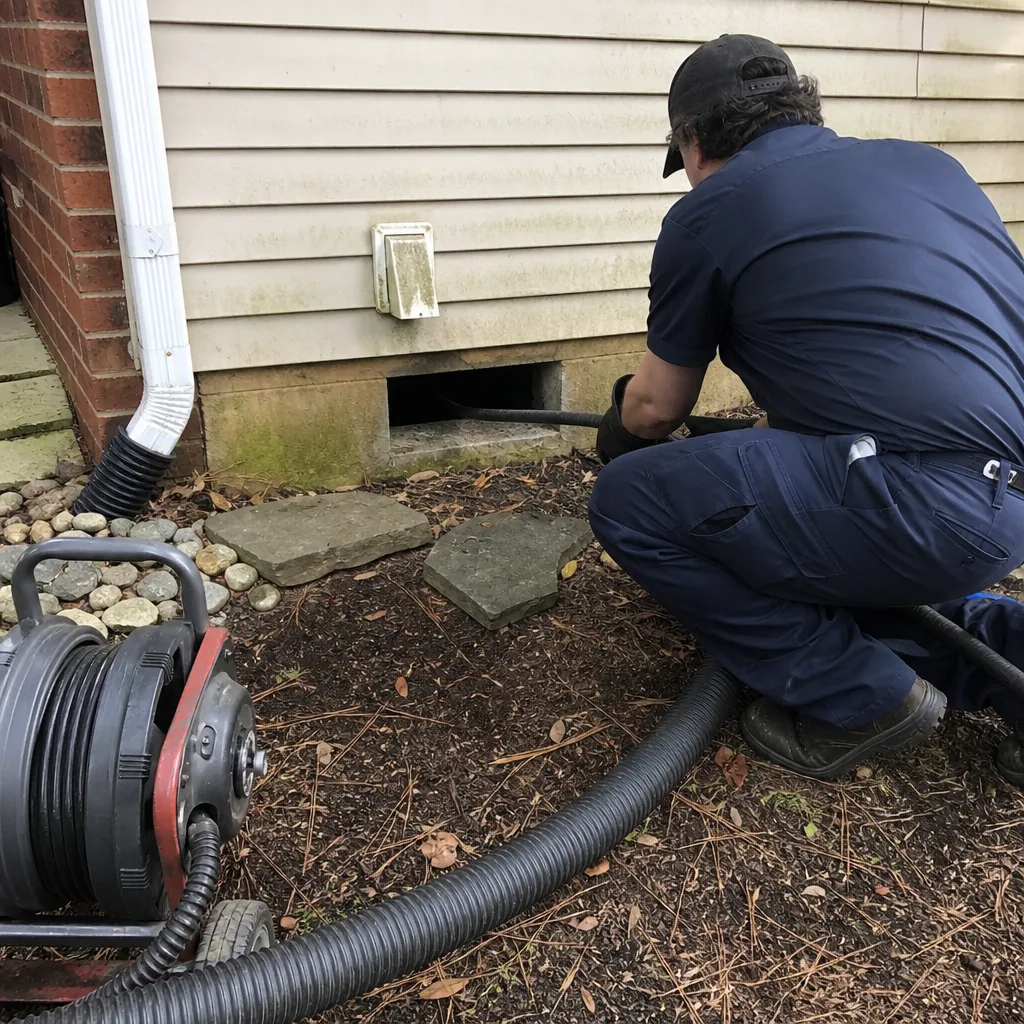 Before
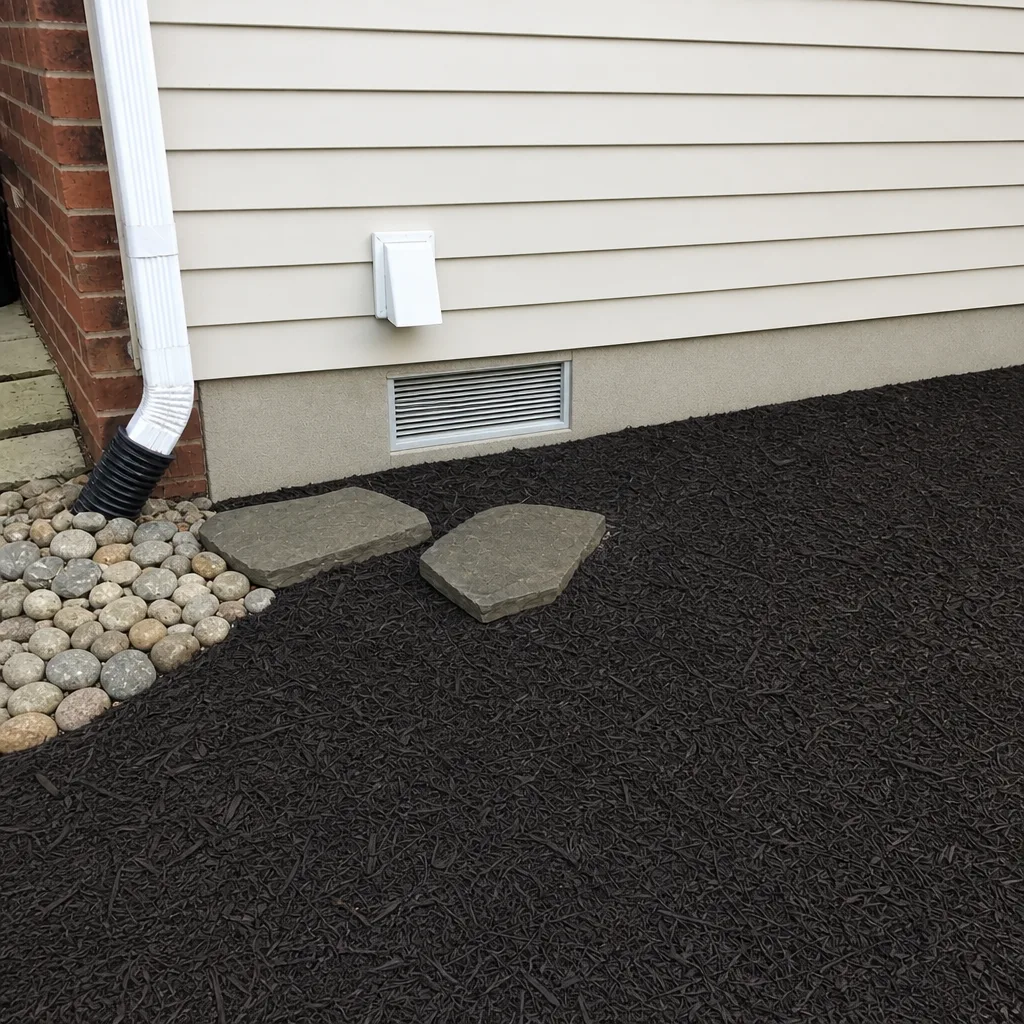 After
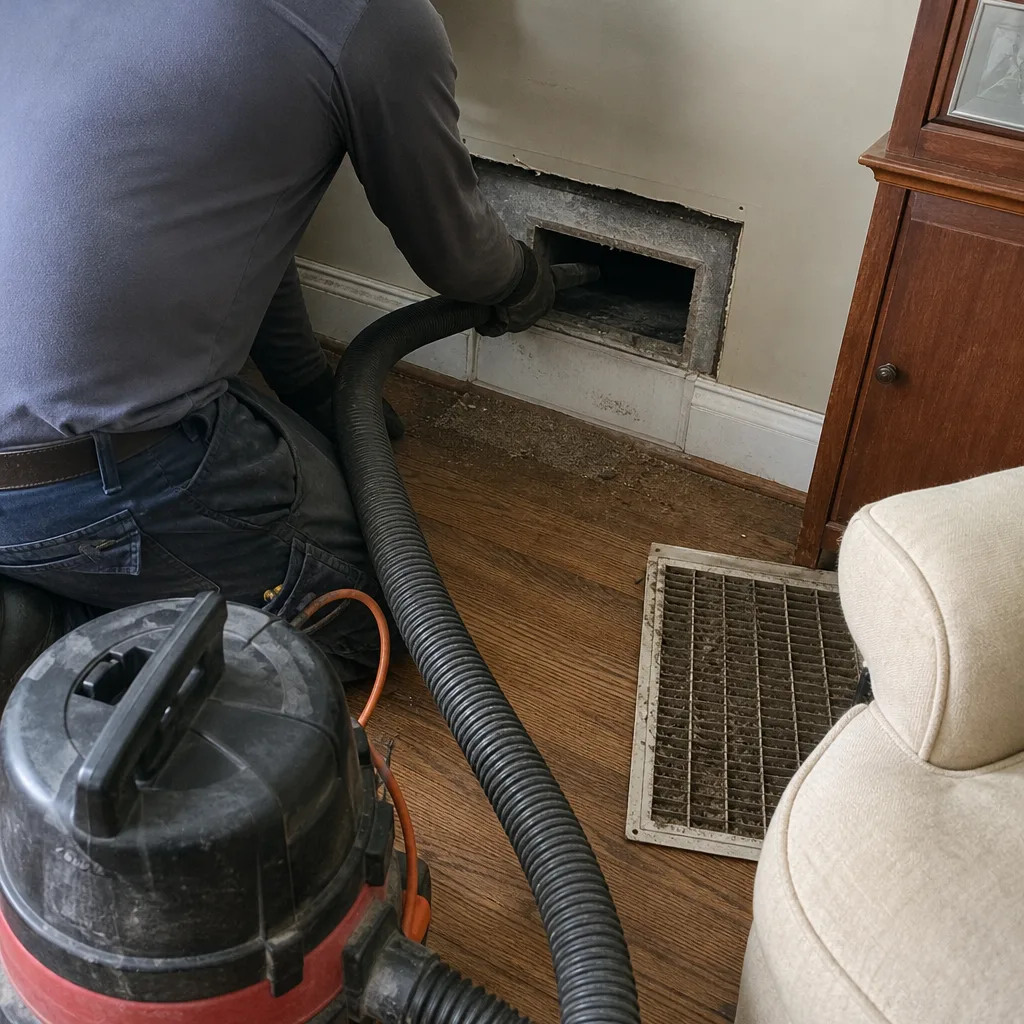 Before
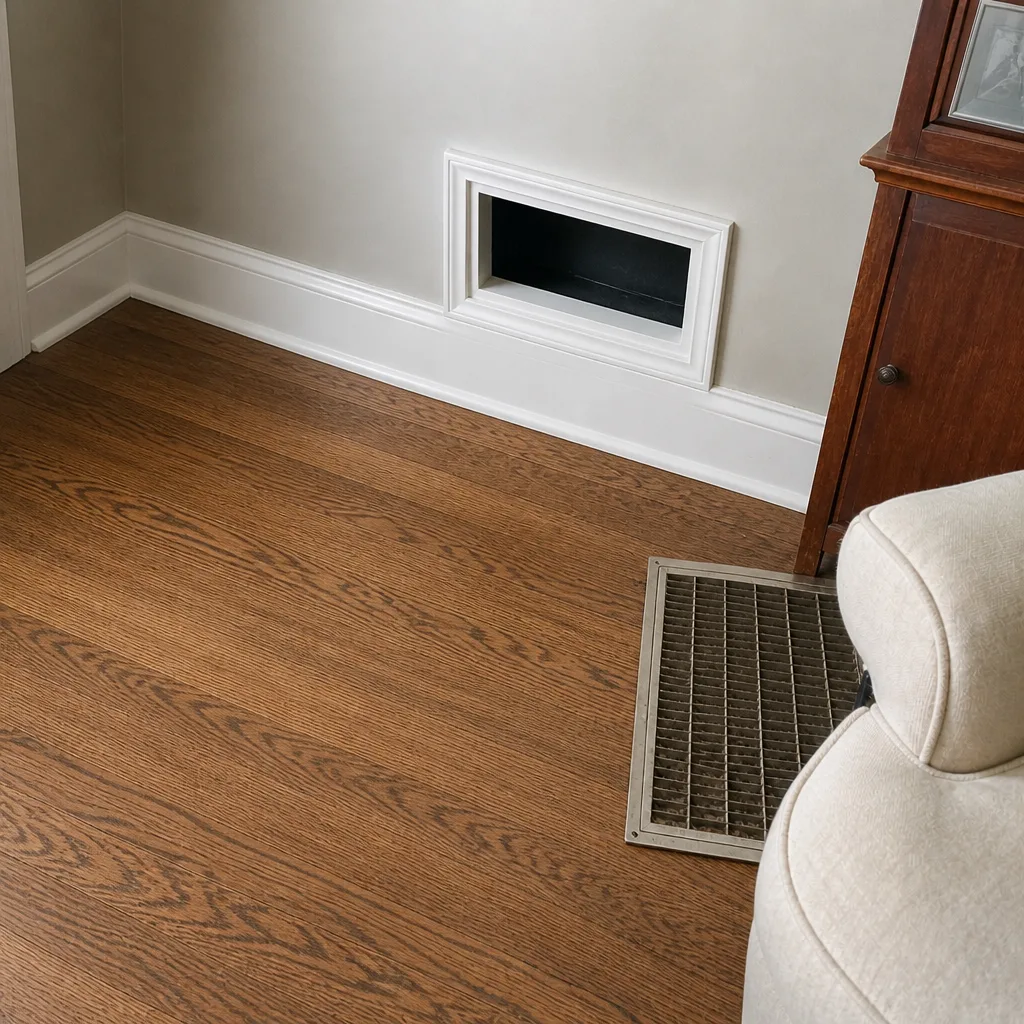 After
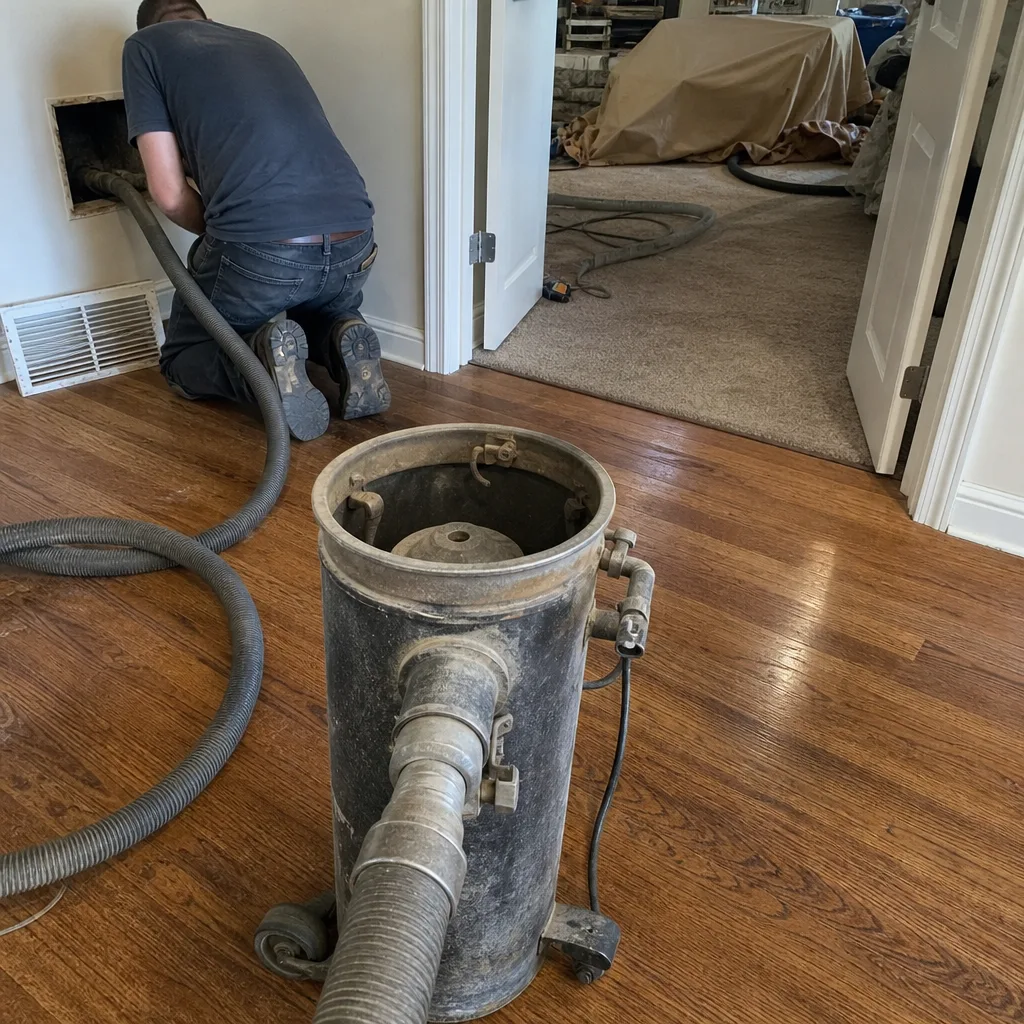 Before
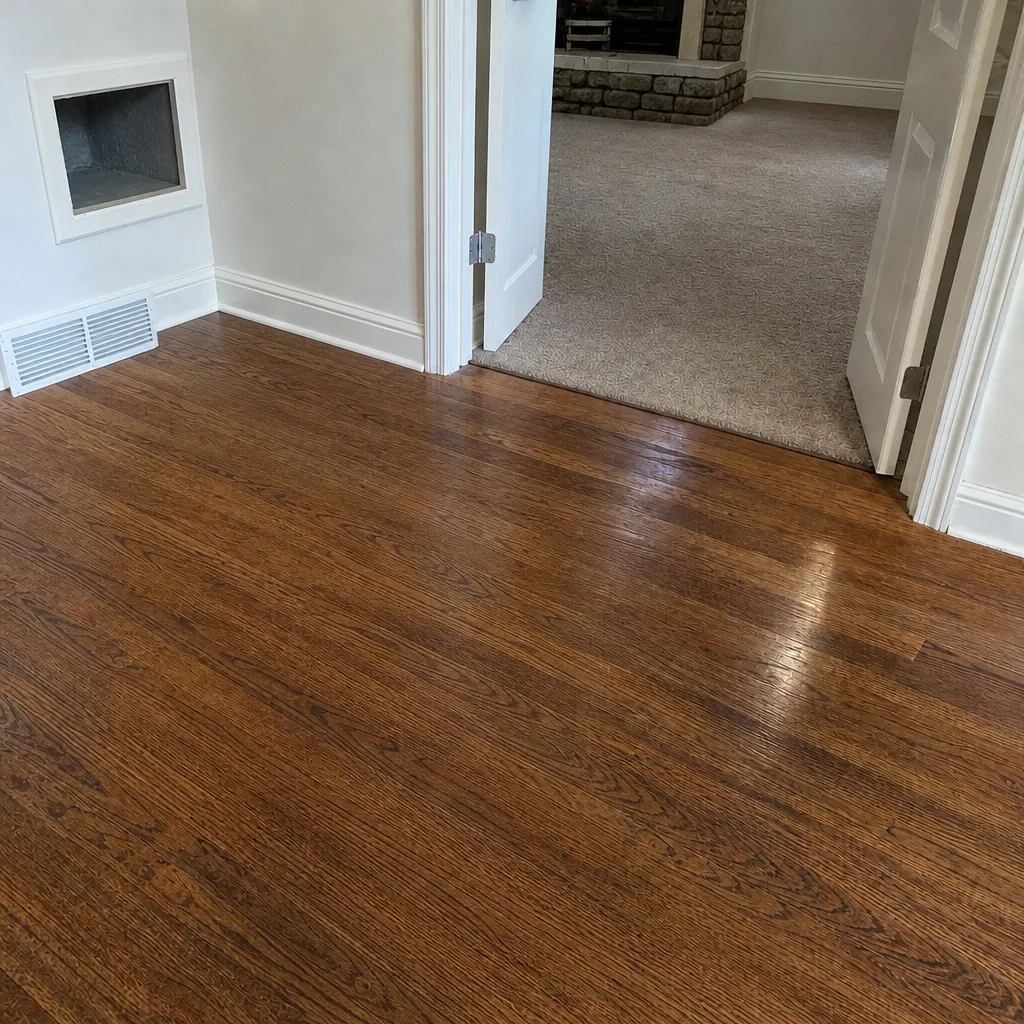 After
When to Call a Professional
Call a professional when you notice any of these signals: a persistent musty smell at startup, dust trails at supply registers within days of cleaning, a visibly clogged return, condensation staining on flex duct in the attic or crawl space, or a dryer that now takes noticeably longer than it used to. Any combustion odor or suspicion of a cracked heat exchanger is an HVAC safety call first – duct cleaning is not the answer. If your system has run a full summer in Winston-Salem without an inspection, a pre-fall check is worth scheduling now. Delmar Air Duct Cleaning offers free estimates in Winston-Salem – call (844) 834-1338.
Frequently Asked Questions
For most Winston-Salem homes, a professional cleaning every two to three years is enough, but the pre-season inspections matter more than the cleaning frequency. The 1,000+ cooling hours per year here mean summer is the season that does the most long-term damage, so a pre-summer inspection and a post-summer check are the two must-keep items on the calendar. Homes with pets, recent renovations, or a mold event may need more. Call (844) 834-1338 – estimates are free.
Late spring, right after pollen season and before the humid summer, is the sweet spot. It removes pollen before the moisture that follows has a chance to turn it into a food source. A fall follow-up check catches any duct damage from the summer. Call (844) 834-1338 for an exact quote – estimates are free.
Usually because the low price is a teaser that becomes a larger invoice on site, often through per-vent charges or “unexpected” repairs. Whole-system pricing agreed in writing before work starts is the standard you want. Call (844) 834-1338 for an exact quote – estimates are free.
Ask for before-and-after photos of your own ducts, not a generic gallery. A technician using professional-grade rotary brush equipment should be able to show you what came out and what the interior looks like after cleaning. If a contractor can’t or won’t, that’s the answer. Call (844) 834-1338 for an exact quote – estimates are free.
Only if the moisture source is fixed first. Cleaning mold-contaminated ducts without addressing the condensation point – usually flex duct in a vented crawl space or attic – will just let it come back. Containment equipment and negative air pressure matter here, and that’s what we use on high-risk jobs. Call (844) 834-1338 for an exact quote – estimates are free.
Yes, and it should. A cleaning-only contractor will hand off any torn or collapsed duct to a separate company, and the cleaning you paid for is wasted if the duct leaks unfiltered air the next day. Repair plus cleaning in one visit is the better sequence. Call (844) 834-1338 for an exact quote – estimates are free.
Dryer vent cleaning is worth doing on its own schedule, not tied to the HVAC duct calendar. A dryer that takes noticeably longer per load, or a vent hood flap that doesn’t open fully, is the call. It’s a standalone service for a reason – the fire risk doesn’t wait for spring pollen. For our dryer vent cleaning service, call (844) 834-1338 – estimates are free.
We work with Honeywell and Aprilaire air quality products, which extend duct care into long-term filtration and humidity control. Cleaning removes the contamination that’s already there. Filtration and humidity management keep it from rebuilding. If your system can support it, that’s the better long-term plan for a humid Piedmont Triad climate. Call (844) 834-1338 for an exact quote – estimates are free.
The Bottom Line
Duct care in Winston-Salem is a year-round cycle, not a one-time job. Spring pollen loading, summer condensation and mold risk in flex duct, fall debris drawn in during the first heat cycles, and winter combustion byproduct circulation each hit the system differently. The right sequence is pre-season inspections ahead of the two high-use windows, cleaning only when contamination is confirmed, and repair when the duct itself has failed. Whole-system pricing per job, before-and-after photos, and professional-grade equipment are what separate a real duct specialist from a coupon-based cleaning. Clean it. Repair it. Protect it. Learn more about Winston-Salem service, or call (844) 834-1338 to schedule a free estimate. We answer 24/7. Fast dispatch from 7am to 7pm, Sunday through Friday.
Written by the team at Delmar Air Duct Cleaning.