
Last updated November 14, 2026
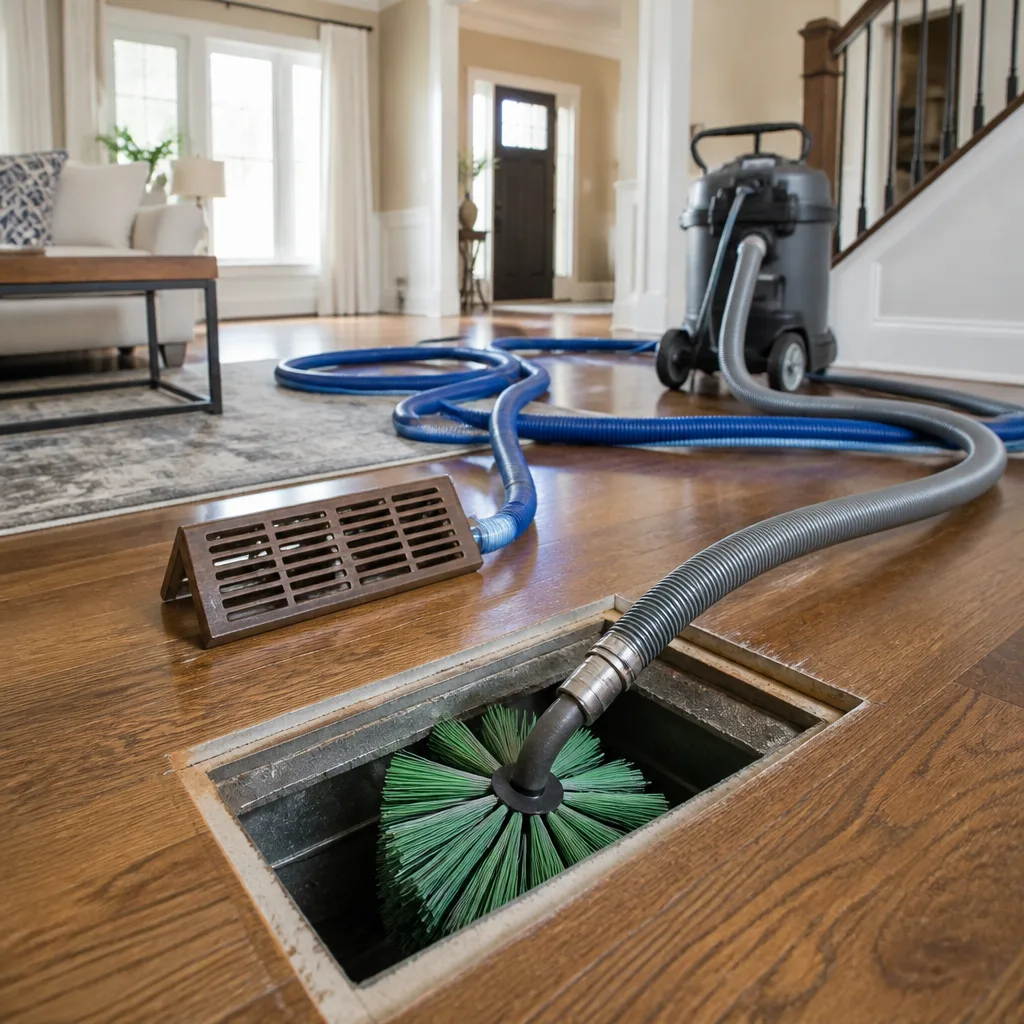 Whole-home duct cleaning
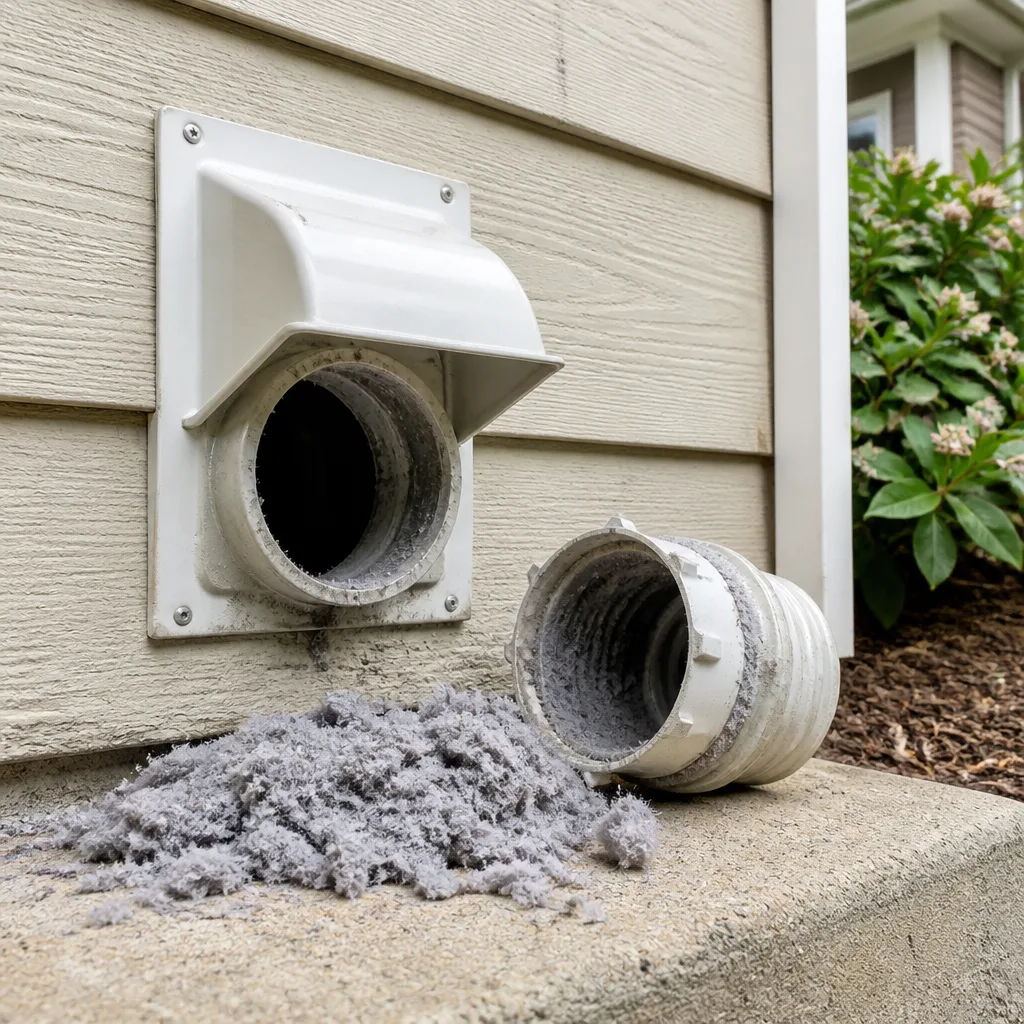 Dryer vent cleaning
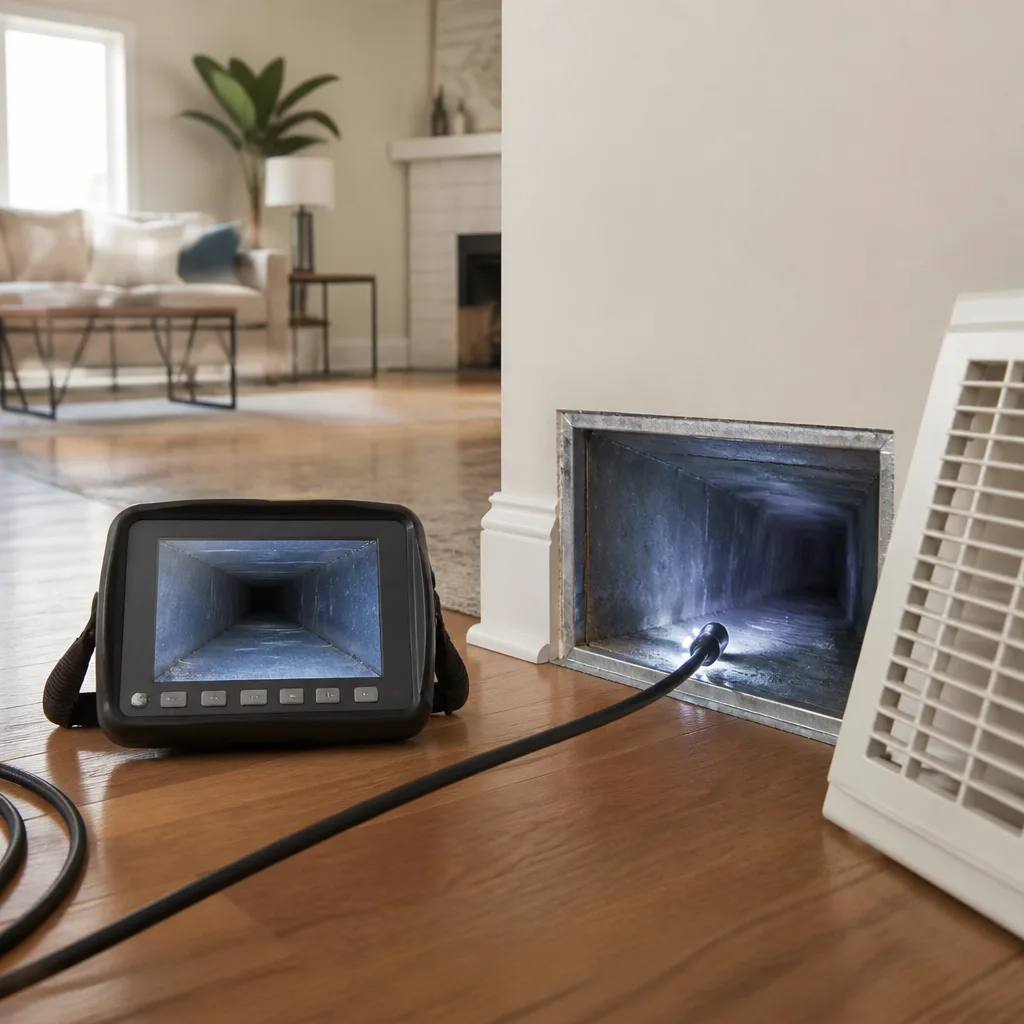 Camera inspection
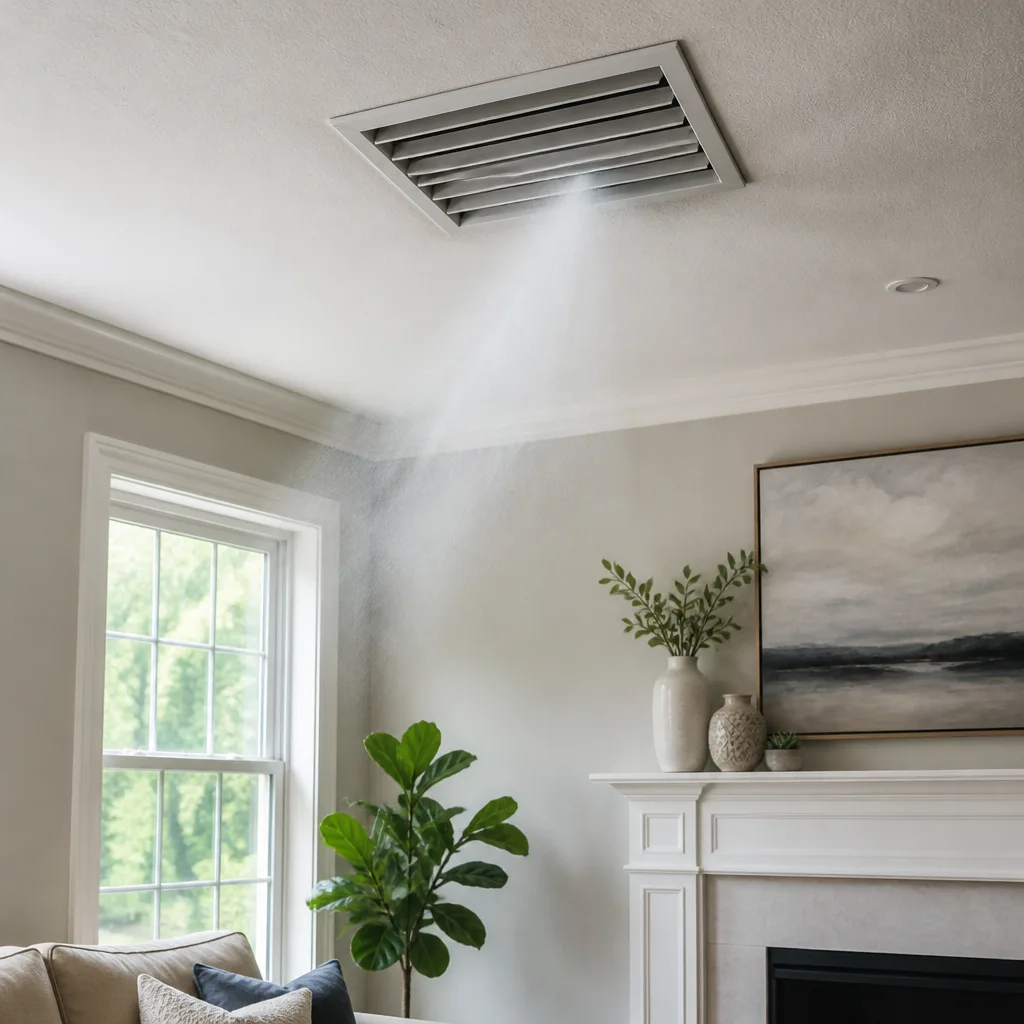 Sanitizing & deodorizing
Whole-system duct and dryer vent check with before-and-after photos - you see exactly what came out of your vents
That "$99 whole-house special" is a bait ad - the real number appears once they are in your hallway, or the "clean" is a shop-vac at the register. We photograph the inside of your ducts before and after instead.
DIY vs Professional Air Duct Cleaning: The Winston-Salem Homeowner’s Decision Guide
Here’s the part most guides get wrong: a shop vac and a dryer vent brush can genuinely clean the first 18 inches of a supply register. But a trunk run that disappears 20 feet into an attic needs a different order of magnitude of airflow – a sustained column of negative pressure pulling 150+ cubic feet per minute toward a sealed collection point – or you’re not removing debris, you’re just relocating it. That gap between what a homeowner can reach and what a duct system actually requires is where the real decision lives. This guide maps the tasks you can legitimately handle, the physics that explains why some jobs are counterproductive without professional equipment, and where the DIY ceiling sits for a Winston-Salem home.
Quick Answer
DIY air duct cleaning is worth doing for the accessible front end of your system – register grilles, visible boot collars, filter housings, and dryer vent runs you can reach with a brush kit. Professional cleaning is the right call once debris, odor, or contamination sits beyond the first few feet, or when a renovation, mold concern, or a dryer that takes two cycles points to a problem inside the trunk line. The dividing line is equipment reach and negative pressure, not willingness.
Styles & brands we work with
- Whole-home duct cleaning
- Dryer vent cleaning
- Camera inspection
- Sanitizing & deodorizing
Table of Contents
- What DIY Duct Cleaning Can Actually Accomplish
- The Physics of Duct Cleaning: Why Airflow Direction and Negative Pressure Matter
- When DIY Is Enough and When It Backfires
- The Cost-Benefit Reality for Winston-Salem Homeowners
- The Duct Repair Dimension Most Homeowners Miss
- Dryer Vents: The One DIY Job Worth Taking Seriously
- Common Mistakes to Avoid
- When to Call a Professional
What DIY Duct Cleaning Can Actually Accomplish
A capable homeowner with the right hand tools can clean a meaningful slice of an HVAC system. It’s the slice everyone sees, which is why it feels like more than it is. Here’s the honest inventory of what’s realistically doable without a truck-mounted or portable professional unit.
- Register grilles and return covers. Remove them, wash them in a utility sink with mild detergent, dry them fully, and reinstall. This is where most visible dust accumulates and where a homeowner sees immediate improvement.
- Visible boot interiors. The sheet-metal boot that connects a floor or wall register to the flex or hard pipe behind it is often reachable with a vacuum hose and a crevice tool. Wipe down what you can see and touch.
- Filter housing and blower compartment exterior. A wipe-down of the filter slot and the accessible exterior of the air handler removes dust that would otherwise get pulled back into the return.
- Dryer vent runs you can physically reach. A dryer vent brush kit on a flexible rod handles straight runs from the dryer connection to the exterior hood, provided there are no sharp bends the rod can’t follow.
What that equipment looks like in practice: a wet/dry shop vac with a HEPA filter (not a standard household vacuum, which will exhaust fine dust back into the room), a register brush, a crevice tool, a dryer vent brush kit, a screwdriver, and a drop cloth. That’s the ceiling. No homeowner tool generates the negative pressure or the mechanical agitation a full trunk run needs.
Note what this list does not include: the trunk line, the branch runs beyond the boot, the plenum at the air handler, or the interior of flex duct that’s been compressed or has sagged. Those are the zones where dirt actually accumulates over years, and they’re the zones a shop vac can’t touch without pulling the duct apart.
The Physics of Duct Cleaning: Why Airflow Direction and Negative Pressure Matter
Duct cleaning isn’t vacuuming a floor. It’s a controlled airflow problem, and three variables decide whether debris leaves the system or just gets stirred up and blown back into the living space.
- Negative pressure volume. A professional setup pulls a sustained vacuum on the system, typically through a sealed connection at the main trunk or plenum, so that when agitation loosens debris, the air current carries it toward a collection point. A shop vac at a register pulls a small fraction of that volume at the wrong end of the run.
- Agitation sequence. Rotary brush systems like the Rotobrush platform mechanically scrub duct interiors while the vacuum holds negative pressure. The brush dislodges; the airflow captures. Without agitation, settled dust on duct walls doesn’t move into the airstream. Without airflow, loosened dust settles back where it started.
- Direction of travel. Debris has to move toward the vacuum, which means working from the far end of the run back toward the collection point. A homeowner working backward from a register with a shop vac is pulling debris toward the room, not out of the system.
This is the physics behind the difference between “cleaned” and “disturbed.” A return register wiped clean looks better, but if the trunk line behind it holds years of settled dust and a renovation just pushed drywall particulate into the system, a shop vac at the register doesn’t remove it. It lifts some of it into the airstream, and the next time the system runs, it lands on the supply side. That’s the redistribution problem, and it’s why a system that looked clean on Monday can smell musty by Friday.
Winston-Salem homes add a specific wrinkle. The Piedmont’s humid summers mean condensation can form on cold duct surfaces in unconditioned attics and crawlspaces, and that moisture turns settled dust into a substrate where microbial growth gets a foothold. Disturbing that growth without containment and negative air pressure spreads spores through the system rather than removing them. That’s the scenario where the right equipment tier, from brands like Nikro or Abatement Technologies that hold controlled pressure in contamination-sensitive jobs, stops being overkill and starts being the point.
When DIY Is Enough and When It Backfires
DIY is genuinely sufficient in more situations than a duct cleaning company will usually admit. Here’s the honest split.
DIY is enough when:
- The system was professionally cleaned within the last few years and you’re maintaining between visits.
- You’re seeing light dust at registers only, with no odor, no visible debris deeper in, and no recent renovation.
- The dryer vent is a short, straight run you can reach with a brush kit end to end.
- You’re cleaning registers and filter housings as routine maintenance, not chasing a problem.
DIY backfires when:
- You suspect mold. Disturbing a mold colony without containment and negative air pressure sends spores through the entire system and into living spaces. That’s a professional job with proper equipment, not a shop vac job.
- There was a recent renovation. Drywall dust, sawdust, and insulation fibers settle deep in runs. Agitating them from a register sends them into the airstream instead of out of the system.
- You smell mustiness when the system runs. Odor is a signal that the source is somewhere you can’t reach with a hose.
- You have flex duct. Flex duct has a corrugated interior that traps debris in every ridge, and a homeowner brush can tear the liner if the angle is wrong. Torn flex is worse than dirty flex.
- The system has pest evidence. Droppings, nesting material, or a dead animal in a run needs removal with containment, not a homeowner vacuum.
- You’re working in a tight attic in July. Winston-Salem attic temperatures in summer push past what’s safe for extended work, and a fall or heat illness in a crawlspace is a real risk. That’s not a duct cleaning problem, it’s a safety problem.
The pattern: DIY works on the accessible front end and for maintenance. It stops working the moment the problem is behind the wall, deep in a run, or tied to contamination rather than ordinary dust. Our technicians have up to 13 years of experience, and in that time the jobs that started as a homeowner project and became a call are almost always in that second list.
The Cost-Benefit Reality for Winston-Salem Homeowners
The honest answer to “does DIY save money” is: sometimes, and less than you’d think if you do it wrong. Professional air duct cleaning for a whole house is priced per system rather than per vent, and the range depends on square footage, number of runs, accessibility, and whether repair work is involved. A written estimate sets the final price before any work starts.
Here’s how to think about the trade-off:
- Handle the front end yourself first. Cleaning registers, wiping filter housings, and clearing a reachable dryer vent before a professional visit is legitimately useful. It reduces the time billed on the visit and it lets the technician focus on the trunk and branch runs where the equipment actually matters. This is the one DIY move that saves real money.
- Don’t rent equipment to reach deeper. A rented consumer-grade vacuum and a flexible hose don’t generate the negative pressure a professional unit does, and a rental plus a weekend in a hot attic often costs more in time than the professional visit would have.
- Weigh repair into the calculus. Cleaning exposes damage. A collapsed flex section, a disconnected joint, or a crushed run found during cleaning needs repair, and repair is a different job from cleaning. If you clean yourself and don’t know how to inspect, you don’t find the damage – and a disconnected joint is a direct path for attic air, insulation fibers, and crawlspace moisture into your living space.
- Beware the low-coupon quote. This is the industry’s real problem. A teaser price that grows into a much larger invoice once the technician is on site is the classic bait-and-switch. The right question isn’t “what’s the cheapest quote,” it’s “is this a flat price per system agreed before work starts, with before-and-after photos of my own ducts?” Ask any company you call.
Winston-Salem’s housing stock ranges from older homes in neighborhoods like Ardmore and West End, where duct systems were often retrofitted and may have been modified over the years, to newer construction in the western suburbs where flex runs dominate. Older systems tend to have more opportunity for damage found during cleaning, which pushes the calculus toward professional inspection. Newer systems are more predictable, which pushes it toward maintenance DIY with a professional visit every few years.
For a full picture of what professional work involves locally, see our air duct cleaning page. The Delmar Air Duct Cleaning service overview covers the three core services in one place.
The Duct Repair Dimension Most Homeowners Miss
Here’s where the DIY ceiling sits lower than most homeowners assume. Cleaning is one job. What cleaning finds is another.
A duct system runs through spaces nobody looks at: attic chases, crawlspaces, wall cavities, floor joist bays. Over years, connections loosen, flex duct gets compressed behind a stored box, a squirrel chews through a liner, a contractor running cable steps on a run. A homeowner vacuuming from a register can’t see any of this. A technician with a camera and proper agitation equipment sees it every time.
The repairs that show up during cleaning fall into a few predictable categories:
- Collapsed flex sections. A crushed run restricts airflow to a room, which shows up as a room that never quite heats or cools the way the rest of the house does. Repair means replacing the section with proper material and re-taping and mastic-sealing the joints.
- Disconnected joints. A duct that’s come apart at a boot or trunk connection leaks conditioned air into the attic or crawlspace and pulls attic air into the system. This is a measurable efficiency loss and an air quality problem at the same time.
- Crushed hard pipe and damaged boots. Sometimes the fix is reshaping or replacing sheet metal; sometimes it involves re-sealing at penetrations.
- Torn or disintegrated duct liner. Interior insulation that’s failed needs section replacement, not a patch.
Some of these repairs require tools a homeowner doesn’t have: proper mastic, foil tape rated for ductwork, sheet metal tools, and in some cases a permit. Most cities require a permit for significant modifications to HVAC systems, so ask your city’s building department before you or a contractor change ductwork beyond a simple reconnection. What this means for the DIY decision: the value of a professional visit isn’t only the cleaning. It’s the inspection that comes with it – the ability to identify a collapsed run or a disconnected joint before it becomes a bigger repair or a comfort problem you spend another season chasing.
Dryer Vents: The One DIY Job Worth Taking Seriously
Dryer vent cleaning is the exception on this list where DIY is not only feasible but worth doing regularly, and it’s also the exception because the stakes are different. A clogged dryer vent isn’t an air quality issue – it’s a fire risk. Lint accumulates in the vent run and the transition behind the dryer, and it’s the most overlooked household fire hazard in the home.
What a homeowner can do:
- Disconnect the dryer vent from the back of the dryer, pull the dryer out carefully, and vacuum the transition duct and the immediate run with a crevice tool.
- Use a dryer vent brush kit on a flexible rod to run the straight portion of the vent. Work from the interior connection to the exterior hood.
- Check the exterior hood flapper – it should open freely and close fully when the dryer isn’t running.
- Look for crushed flexible transition hose behind the dryer and replace it with rigid or semi-rigid ducting for a smoother interior that doesn’t trap lint.
When to stop and call: if the vent is a long run, has multiple 90-degree bends, runs through a wall, or you can’t reach the full length with the rod, the brush kit won’t reach the clog. A dryer that takes two cycles to dry a load, feels hot to the touch, or has a vent hood that barely moves air is a call. Professional dryer vent cleaning reaches the parts of the run the rod can’t and confirms the system is clear end to end.
Winston-Salem’s older homes sometimes have longer, more convoluted dryer vent runs than modern construction, particularly where a dryer was relocated during a renovation. Those runs are the ones most worth having a professional check even when the homeowner maintains the rest. Please don’t put off a dryer vent concern for the sake of a DIY attempt gone wrong – it’s the one job in this list where the risk of waiting is higher than the cost of the visit.
Common Mistakes to Avoid
- Using a household vacuum on registers. A standard vacuum exhausts fine dust back into the room through a non-HEPA filter. Use a shop vac with a HEPA filter, or you’re just moving dust around.
- Vacuuming without agitating. Settled dust adheres to duct walls. Without mechanical agitation, a vacuum pulls only the loose surface debris and leaves the layer that actually feeds the problem.
- Disturbing suspected mold. A shop vac on a mold colony without containment spreads spores through the system and into living spaces. Stop, seal the register, and call a professional who can work under controlled pressure.
- Cleaning after a renovation before the dust has settled. Drywall dust needs time to settle before a cleaning, and it needs professional-grade extraction. Cleaning too early just resuspends it.
- Pulling apart ductwork to reach deeper. Flex duct is not meant to be disassembled and re-taped by a homeowner. Torn liners and improperly sealed joints undo any cleaning gain.
- Ignoring a room that never heats or cools properly. That’s a collapsed or disconnected run, not a register problem, and no amount of cleaning at the register fixes it.
- Choosing a company on the coupon price alone. A teaser price that becomes a much larger invoice on site is the industry’s biggest complaint. Ask for a flat price per system agreed before work starts, and before-and-after photos of your ducts.
When to Call a Professional
Call a professional when the problem is beyond a register: persistent odor when the HVAC runs, visible debris at the supply or return that you can’t reach, evidence of mold, a recent renovation with dust intrusion, pest activity in the system, a dryer vent you can’t reach end to end, or a room with weak airflow that suggests a damaged run. Also call when you simply want a documented inspection of the whole system – the diagnostic value is often worth more than the cleaning itself.
Delmar Air Duct Cleaning offers free estimates in Winston-Salem. Call (844) 834-1338. We answer 24/7. Fast dispatch from 7am to 7pm, Sunday through Friday. The price is set per job by a written estimate before any work starts, and you get before-and-after photos of your own ducts – no per-vent pricing, no bait-and-switch. If a repair is needed alongside cleaning, we handle both in one call rather than sending you to a second contractor.
See the difference
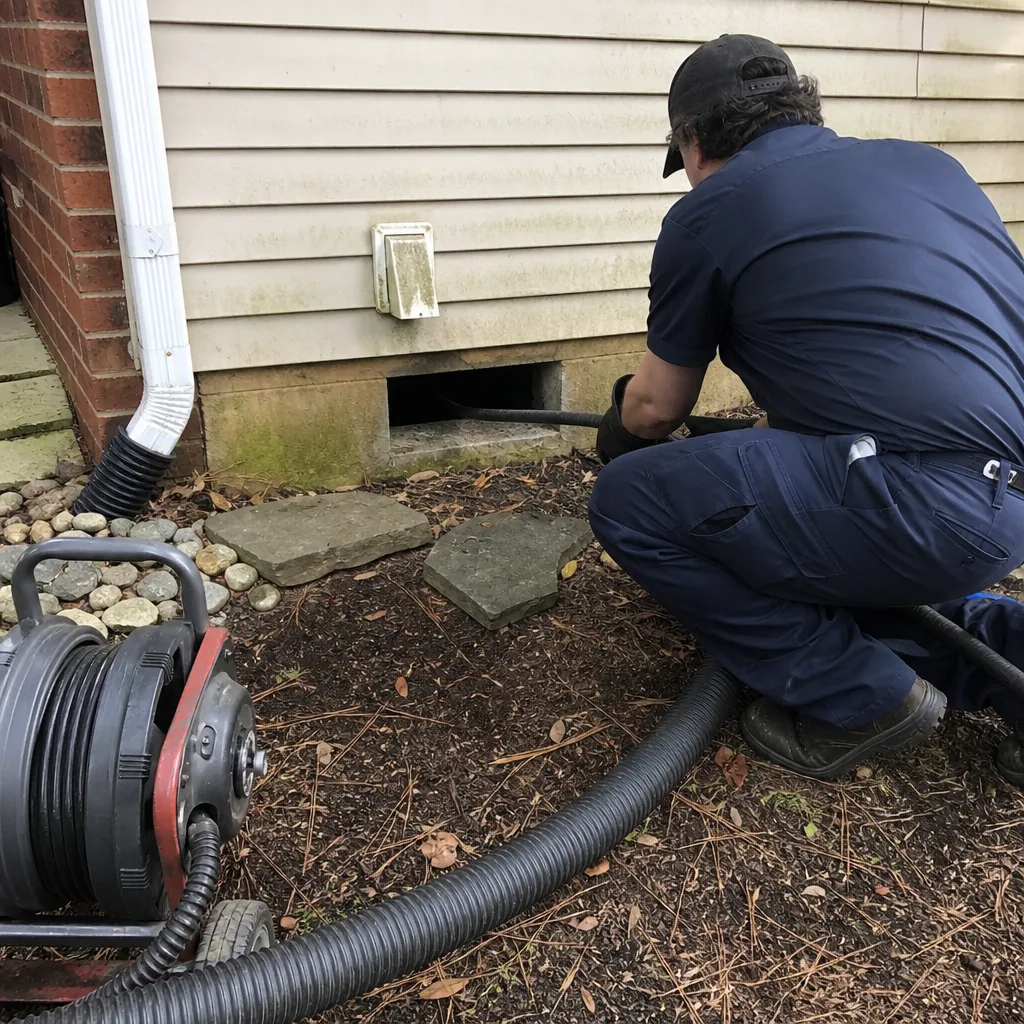 Before
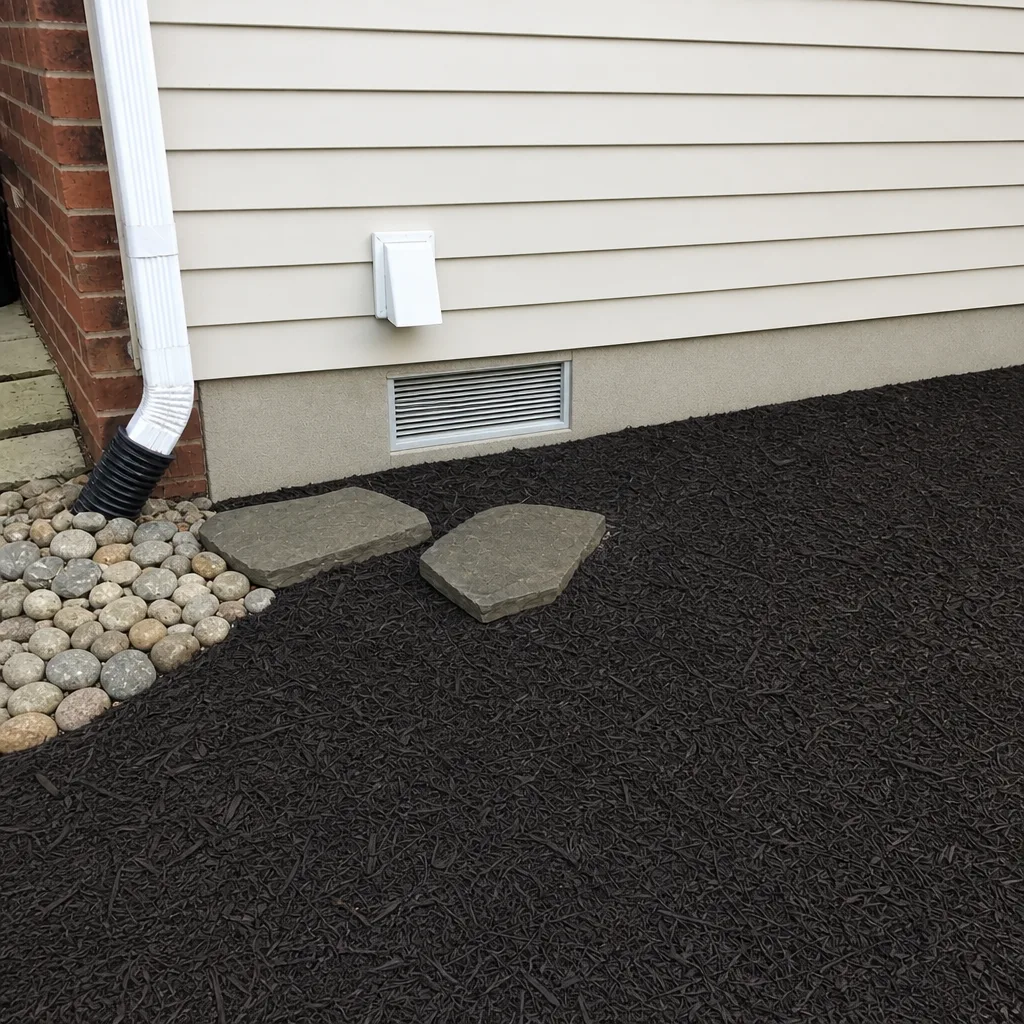 After
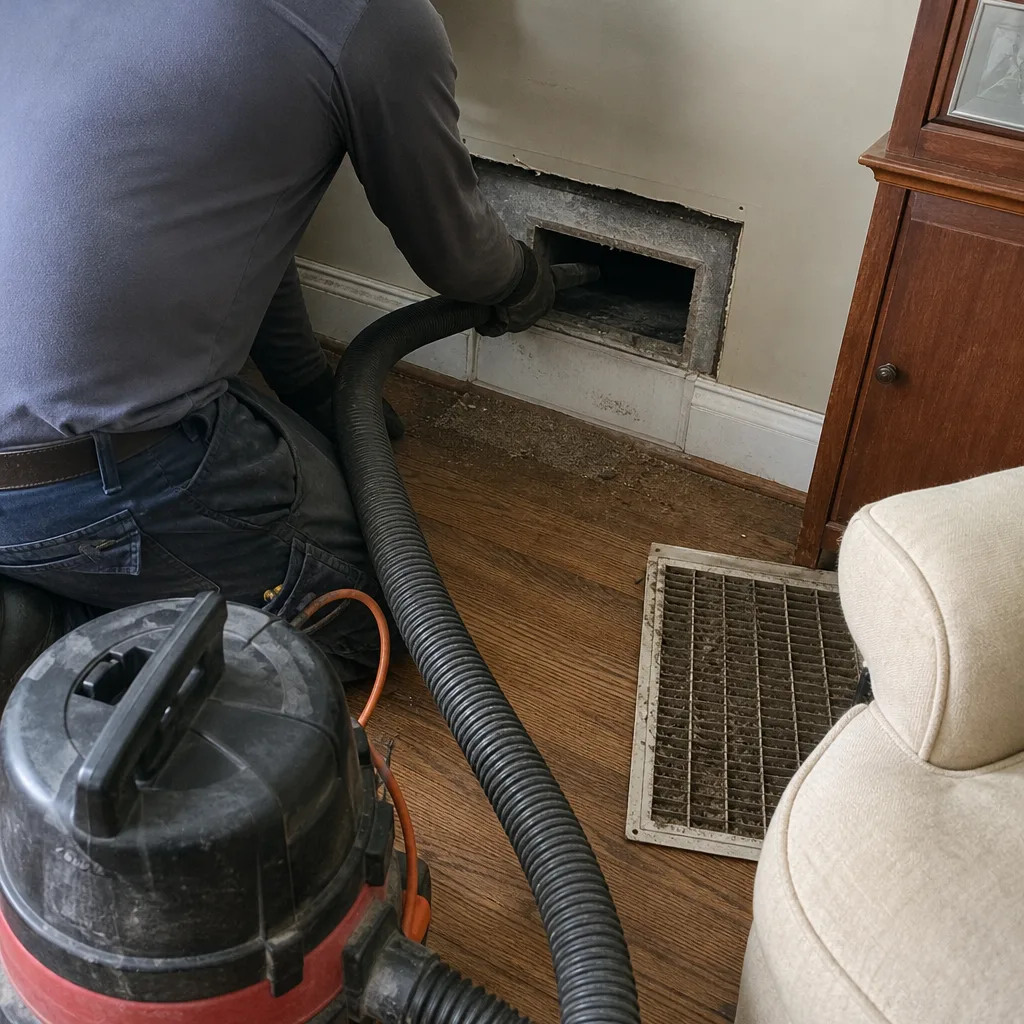 Before
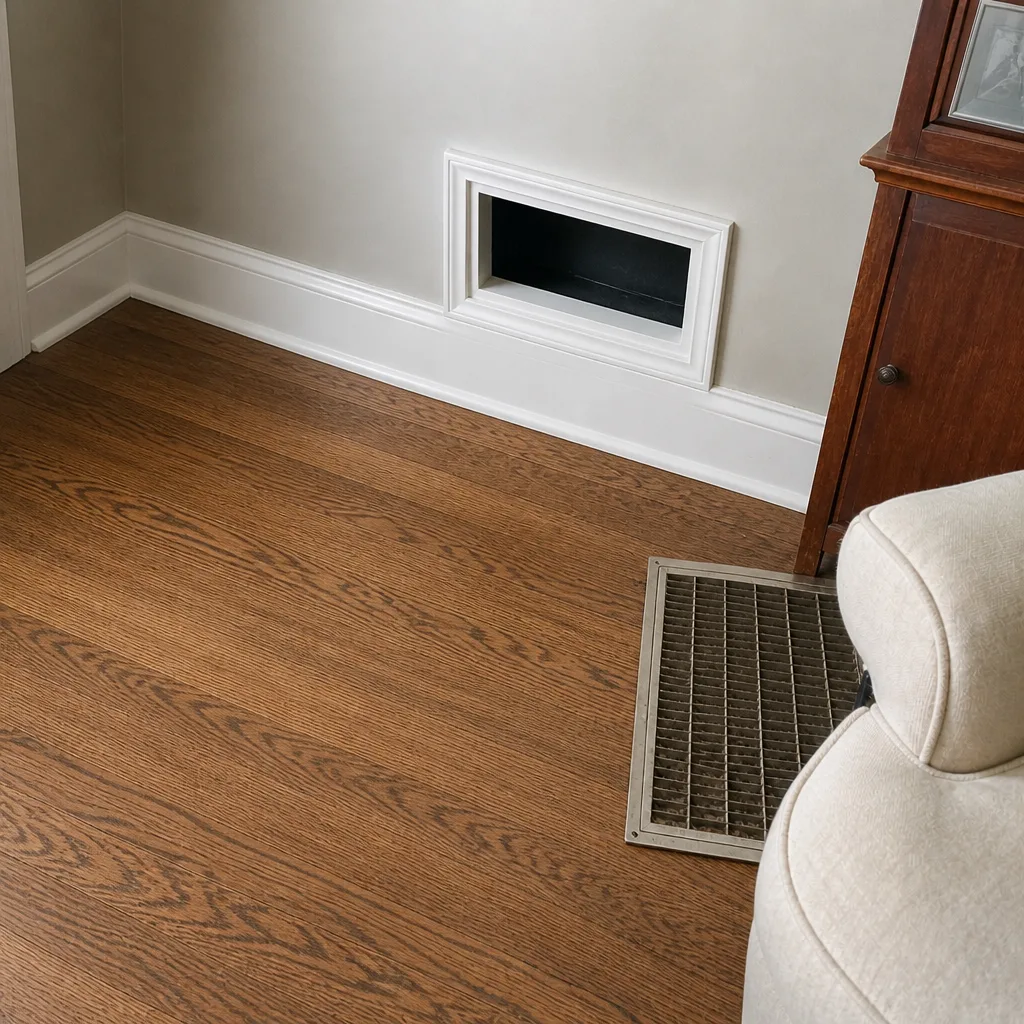 After
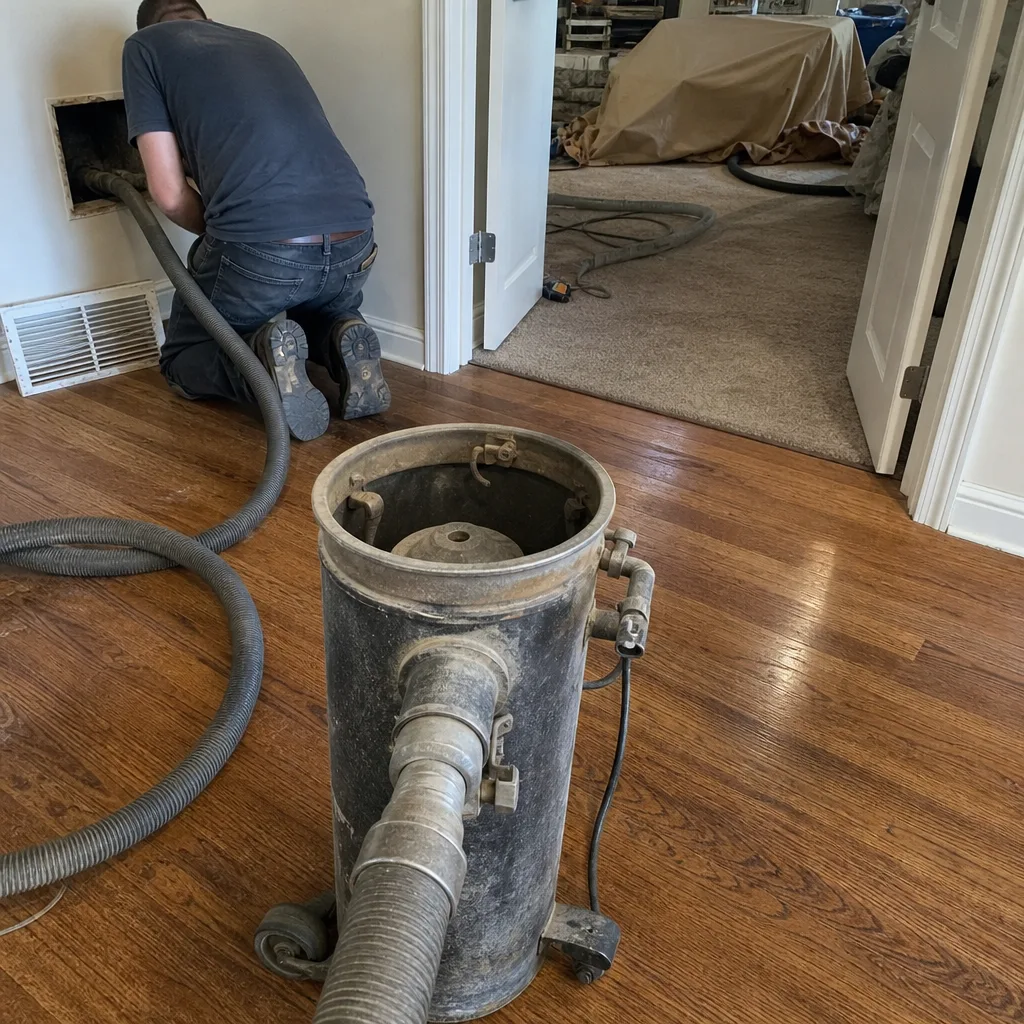 Before
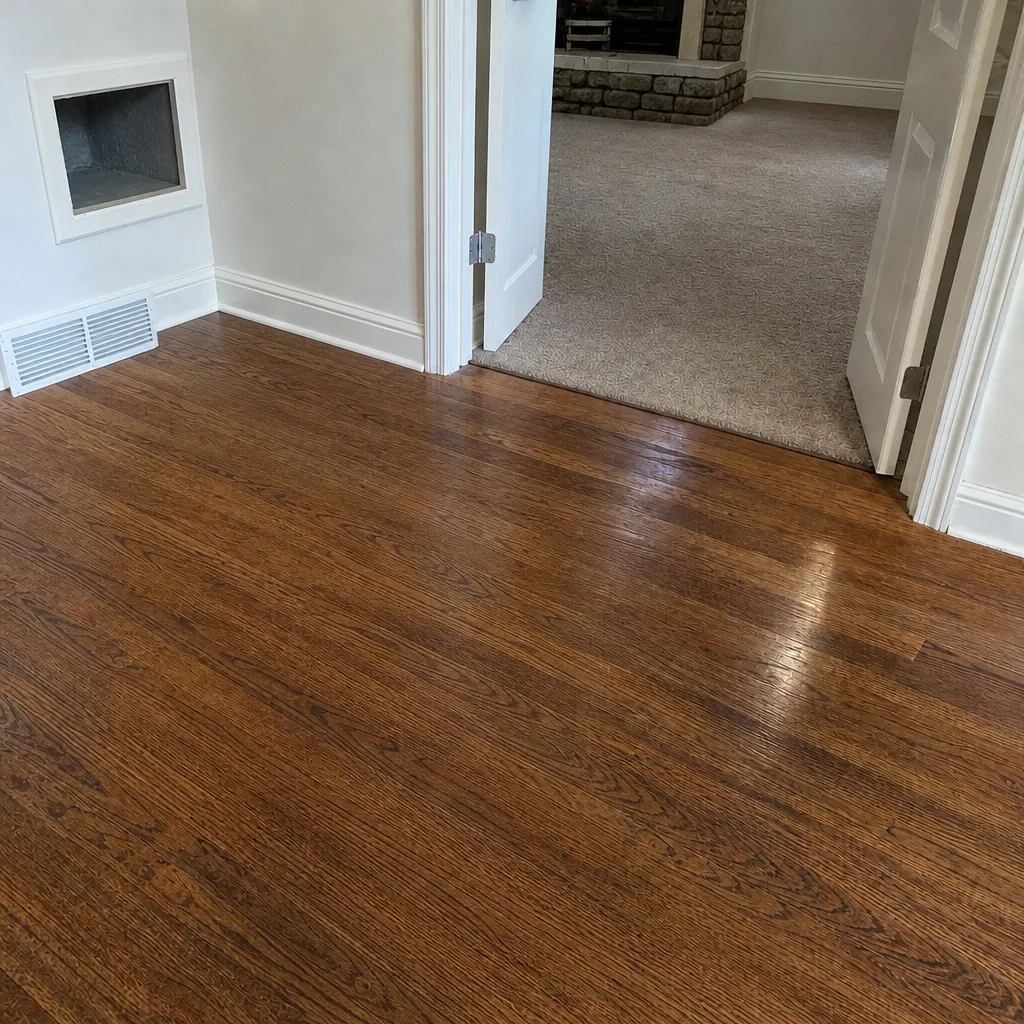 After
Frequently Asked Questions
Yes, for the accessible front end: registers, visible boot interiors, filter housing wipe-downs, and reachable dryer vents. It’s not worth attempting on the trunk line or branch runs beyond the boot, where a shop vac can’t generate enough negative pressure to remove debris rather than redistribute it. Call (844) 834-1338 for an exact quote if you’re unsure where your system falls.
Pricing is per system, not per vent, and the range depends on square footage, number of runs, accessibility, and whether repair is involved. A written estimate sets the final price before work starts, so your number is fixed before the technician arrives. Call (844) 834-1338 – estimates are free, and we answer 24/7.
Usually because the quote isn’t a whole-system price – it’s a teaser that grows once the technician is on site. That’s the industry’s worst habit, and it’s how a low coupon turns into a much larger invoice. Ask every company the same question: is this a flat price per system agreed in writing, with before-and-after photos of my ducts? Call (844) 834-1338 and we’ll put our number in writing.
You ask for before-and-after photos of your own ducts, and you want a full-system scope that includes mechanical agitation and extraction, not a surface vacuum at the registers. Any company that won’t show you photos of your own system hasn’t shown you the work. Call (844) 834-1338 and we’ll walk you through the scope before we start.
For most Winston-Salem homes without special circumstances, a professional cleaning every few years alongside routine DIY register maintenance is a reasonable rhythm. Homes with pets, recent renovations, allergy concerns, or a humid attic environment may need more frequent attention. If you’ve had a renovation or noticed an odor, call (844) 834-1338 – a free estimate will tell you whether now is the time.
Yes – the most common damage is to flex duct, where a brush at the wrong angle tears the interior liner, or where a homeowner pulls apart a connection and re-tapes it poorly. Torn liner and improperly sealed joints leak more than the dirt you removed. If you have flex duct, or a run you can’t reach cleanly, leave it to a trained technician. Call (844) 834-1338 for a free estimate.
The Bottom Line
DIY duct cleaning isn’t dangerous, it’s just limited by equipment reach and negative pressure, and understanding that line is the whole decision. Clean your registers, wipe your filter housings, and stay on top of a reachable dryer vent – that’s real maintenance and it genuinely reduces what a professional visit needs to do. When debris, odor, mold concerns, renovation dust, pest activity, or a weak airflow room points deeper into the system, that’s the call. A professional visit cleans, inspects, and finds damage in one trip, with a flat price agreed before work starts and photos of your own ducts at the end. For Winston-Salem homeowners who want the honest version of that trade-off, Winston-Salem is where we work, and we’re glad to talk it through.
Call (844) 834-1338 for a free estimate. We answer 24/7. Fast dispatch from 7am to 7pm, Sunday through Friday. Our technicians have up to 13 years of experience with the same professional-grade Rotobrush, Nikro, and Abatement Technologies equipment used by commercial HVAC contractors, and we handle air duct repair alongside cleaning. Clean it. Repair it. Protect it.
Written by the team at Delmar Air Duct Cleaning.