
Last updated November 14, 2026
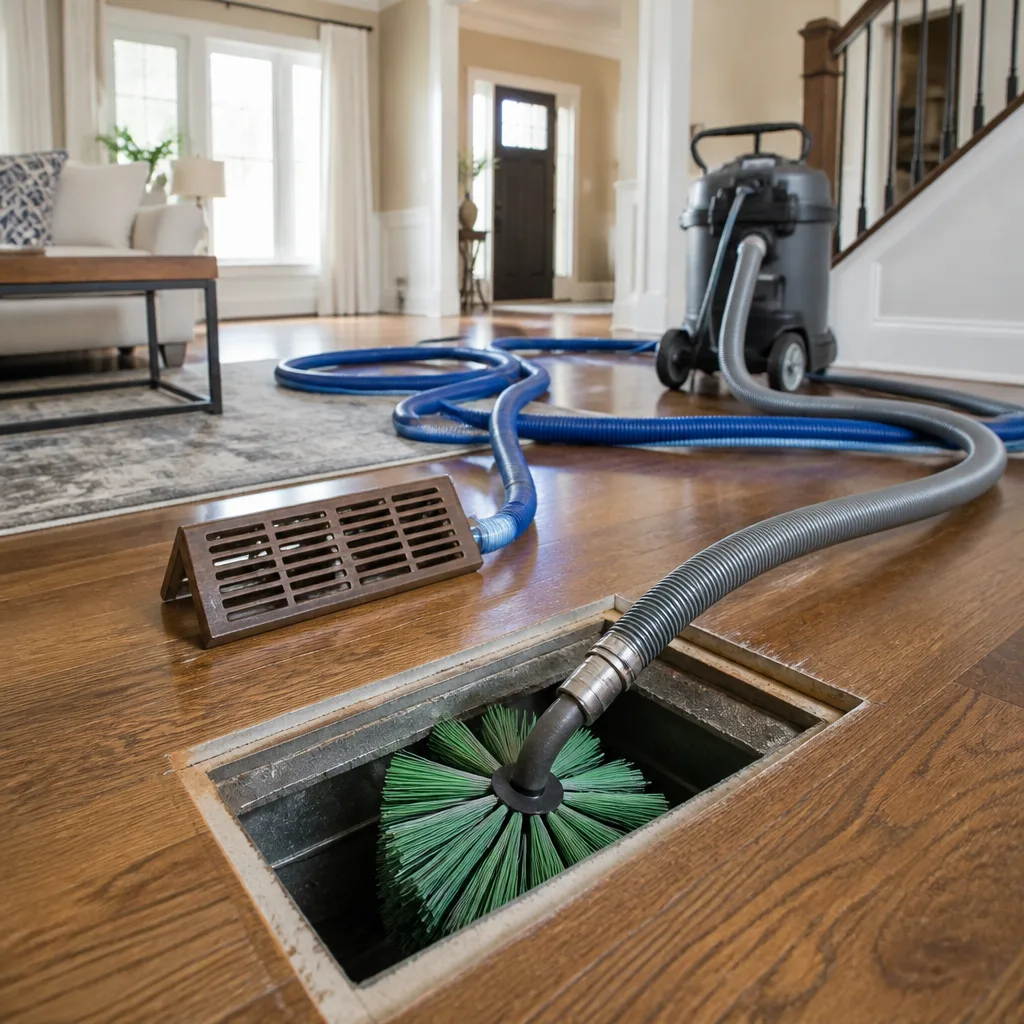 Whole-home duct cleaning
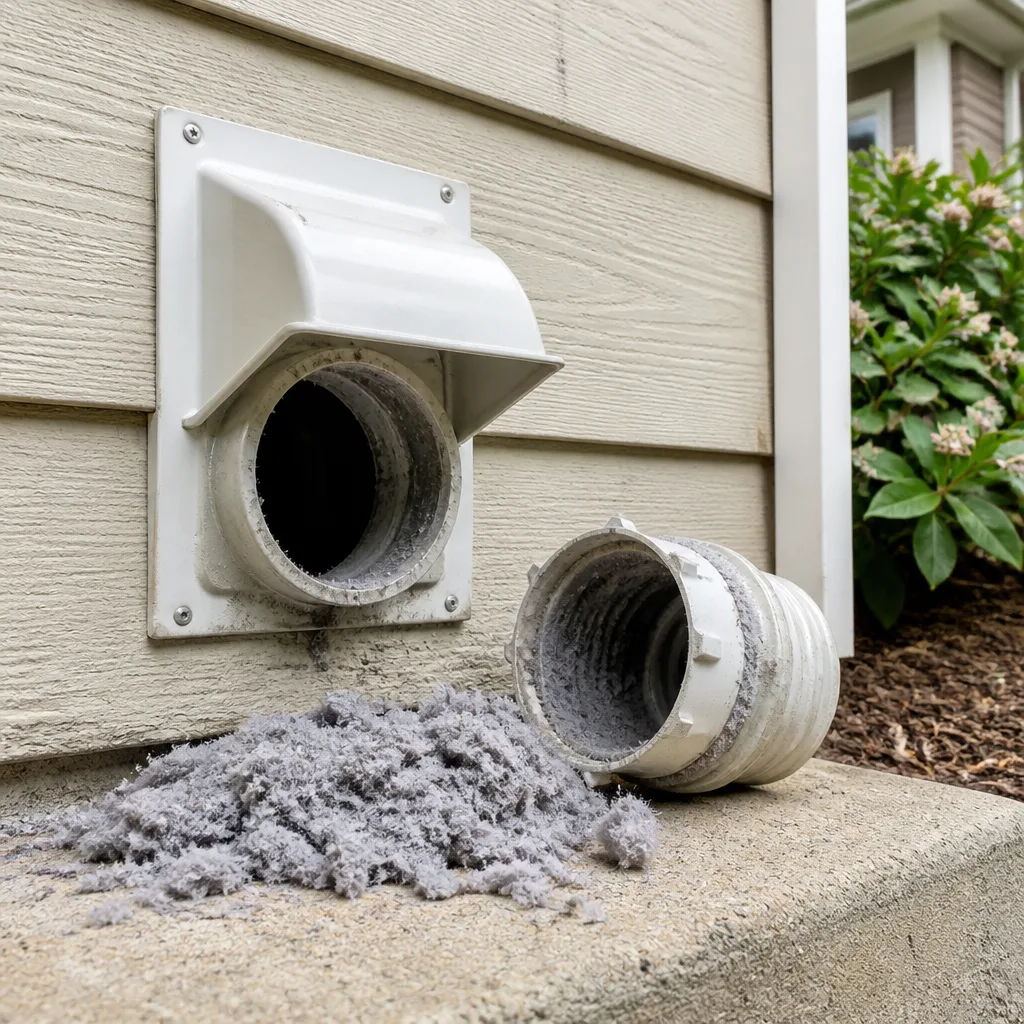 Dryer vent cleaning
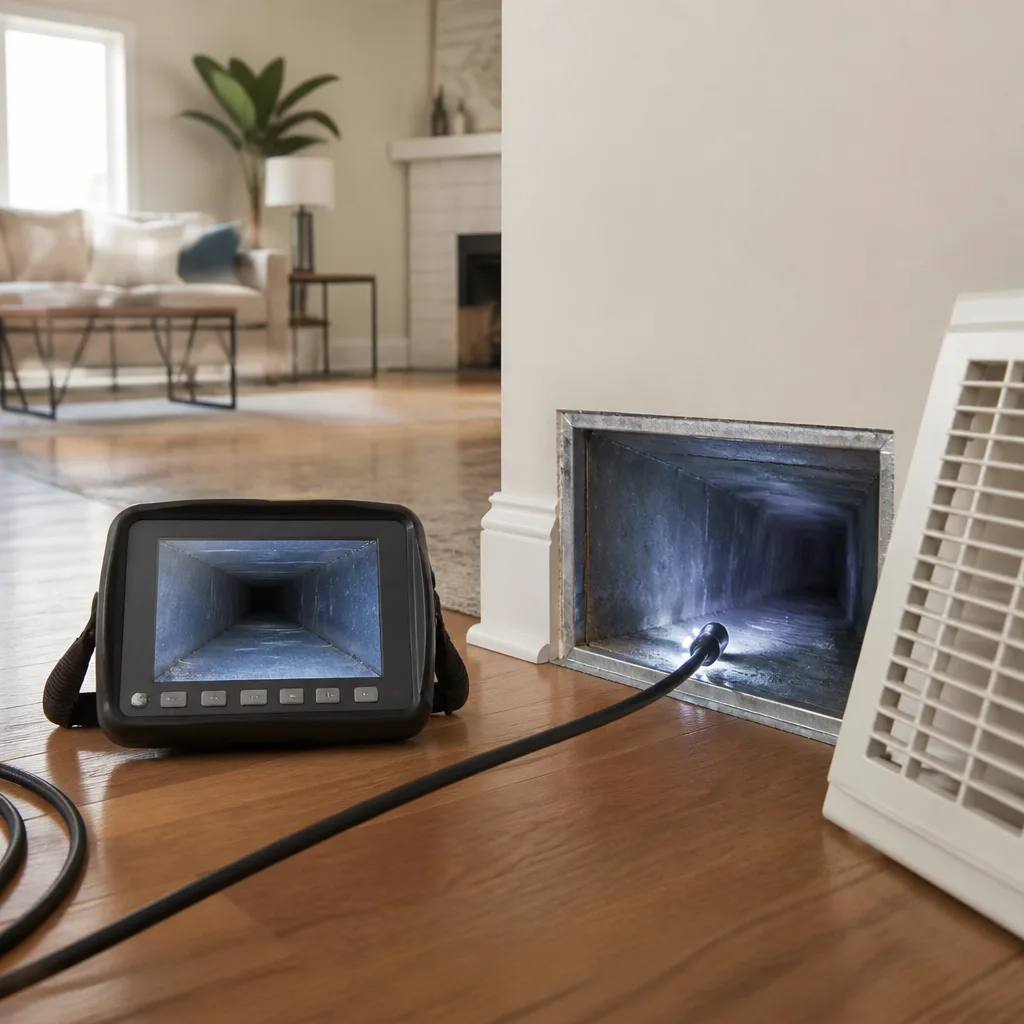 Camera inspection
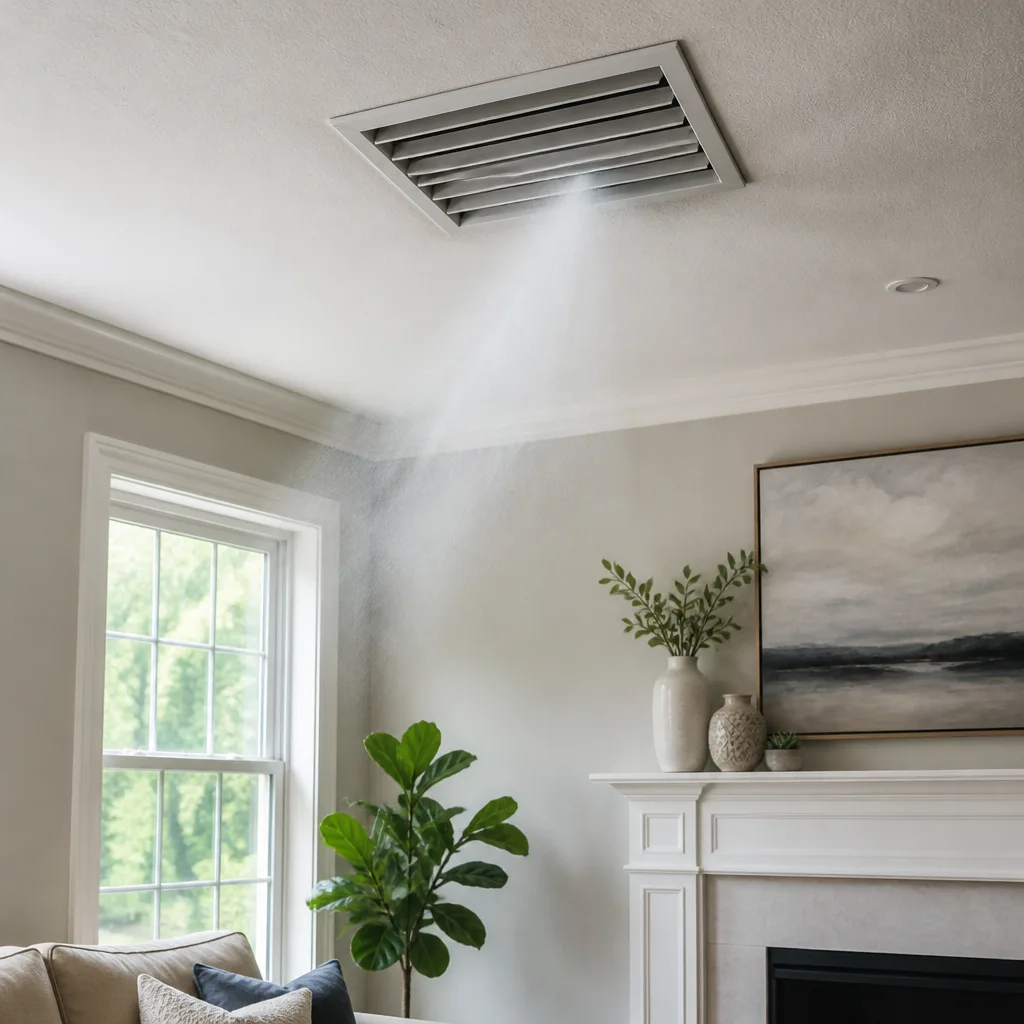 Sanitizing & deodorizing
Whole-system duct and dryer vent check with before-and-after photos - you see exactly what came out of your vents
That "$99 whole-house special" is a bait ad - the real number appears once they are in your hallway, or the "clean" is a shop-vac at the register. We photograph the inside of your ducts before and after instead.
The Complete Guide to Air Duct Cleaning in Winston-Salem
Most homeowners assume that once a vacuum has run through the trunk line, the ducts are clean. A technician can do exactly that, hand you a receipt, and leave. But if the blower wheel, the coil cabinet, and the return plenum were never touched, the air moving through those “clean” ducts is still picking up contamination at every pass. Duct cleaning is a system job, not a vent job, and that difference is what separates a real cleaning from a quick one. In this guide we map every component of a typical Winston-Salem home’s duct system, explain what a complete cleaning actually addresses, what rushed work skips, and how to tell the two apart before you pay.
Quick Answer
A complete air duct cleaning removes built-up dust, debris, and biological growth from the entire system: the return grilles, trunk and branch lines, register boots, the blower compartment, and the coil cabinet, using truck-mounted or professional-grade rotary equipment with source removal under negative pressure. A surface vacuum of the visible vents does not qualify. In Winston-Salem, the combination of clay-heavy soil and humid summers makes source removal and post-cleaning verification especially important.
Styles & brands we work with
- Whole-home duct cleaning
- Dryer vent cleaning
- Camera inspection
- Sanitizing & deodorizing
Table of Contents
- What Makes Up a Complete Air Duct System?
- How Winston-Salem’s Climate and Soil Affect Your Ducts
- Source Removal vs. Blow-and-Go Cleaning: What’s the Difference?
- The Equipment That Separates a Real Cleaning from a Cheap One
- How Do You Verify the Work Was Actually Done?
- When Cleaning Isn’t Enough: Repair and Sealing
- The Overlooked System: Dryer Vent Cleaning
- How Often Should You Clean Your Ducts?
What Makes Up a Complete Air Duct System?
Ductwork isn’t a single tube. It’s a connected assembly, and contamination anywhere in that chain ends up in the air your family breathes. If you’re evaluating a quote, the number of vents is far less revealing than the number of components the technician plans to address.
A typical residential system includes:
- Return grilles and plenums. The return side pulls air back to the air handler and often carries more debris than the supply side because it sits closer to floor-level dust and pet hair.
- Trunk lines and branch runs. The main rectangular or round duct that feeds every room. These are where settled debris accumulates over years.
- Register boots. The short transitions from the branch line to the floor, wall, or ceiling register. These are often the most visually obvious collection points and the easiest to skip.
- The air handler and blower wheel. The blower pulls air through the system. A dirty blower wheel throws dust back into the airstream no matter how clean the ducts are.
- The evaporator coil cabinet. Moisture from cooling meets dust here, and that combination is where biological growth tends to appear in humid climates.
- Supply plenum. The distribution box immediately after the air handler, often the dirtiest single point in the system.
The point of that list is simple. A cleaning that touches the trunk lines but skips the blower, coil cabinet, and plenum leaves the source of recontamination in place. When we assess Winston-Salem homes, those three components are usually where the story gets interesting.
How Winston-Salem’s Climate and Soil Affect Your Ducts
Duct contamination isn’t just a function of how often you vacuum your floors. The local environment shapes what ends up in your system. Winston-Salem sits in the Piedmont, which means two things matter for your ducts: the soil and the summer air.
Clay-heavy soil and dust loading
The red clay common across the Piedmont is fine-grained and holds moisture. Around new construction or during renovations, that clay dust is exceptionally fine and hangs in the air for a long time before settling. Once it settles into return grilles and ductwork, it binds with moisture and stays put. Homes near active construction corridors or older neighborhoods undergoing renovation tend to see faster dust loading than homes in more stable areas.
High summer humidity and biological growth
Winston-Salem’s summers are humid enough that the evaporator coil runs wet for months. That moisture, combined with the fine dust that collects on coils and in plenums, creates exactly the conditions where biological growth takes hold. Once you smell the musty note that comes from a damp coil cabinet, no amount of filter-changing gets rid of it. You have to clean the source.
What that means for timing
In practice, we see faster contamination cycles in Winston-Salem homes than in drier climates: a dirty return plenum, a blower wheel coated in dust, and a coil cabinet that’s ready for attention by the time a homeowner starts noticing symptoms. That’s not a sales pitch, it’s a description of the local environment, and it’s why we walk through the full system before recommending a cleaning.
Source Removal vs. Blow-and-Go Cleaning: What’s the Difference?
There are two ways to “clean” a duct system, and only one of them actually removes the contamination. Source removal uses mechanical agitation with negative pressure to loosen debris and pull it out of the system entirely. The other approach uses hand tools or a shop vacuum to wipe down visible vent openings and often pushes debris deeper into the ducts. The second approach is faster and cheaper, and is the reason some quotes come in dramatically low.
How a source-removal cleaning actually runs
Here’s the sequence we follow on a typical home. Specifics vary by system, but the logic is consistent:
- The technician accesses the system through the air handler, plenum, and select register boots, sealing openings as they go.
- A high-powered vacuum with HEPA filtration is connected to create negative pressure throughout the ductwork, so any loosened debris is captured rather than blown into living space.
- A rotary brush system is run through every trunk and branch line, agitating settled material from the duct walls.
- Compressed air and hand tools are used at the plenum, air handler, and coil cabinet, where rotary brushes can’t reach.
- Every register and return grille is removed, cleaned, and reinstalled.
- The full system is inspected with a camera before the technician packs up.
If a quote doesn’t mention opening the system, agitating the walls, or capturing debris under negative pressure, it’s not a source-removal job. It’s a wipe-down.
The Equipment That Separates a Real Cleaning from a Cheap One
You don’t need to be a technician to ask the right questions about equipment. There are three things worth asking about on any quote, and each one tells you something concrete about the scope of the job.
1. Rotary brush system vs. hand tools
A rotary brush system like those from Rotobrush runs a motorized brush through duct interiors, physically agitating the walls where dust and debris have settled. Hand tools and shop vacuums don’t reach past the first few feet of a branch line. Ask which you’ll get.
2. Vacuum type and filtration
Professional duct cleaning uses a truck-mounted or high-powered portable vacuum with HEPA filtration, mounted outside or at the air handler. Nikro equipment is the industry standard for commercial and industrial HVAC contractors, and it’s what we use on residential systems because the capture rate at the vacuum end determines how much actually leaves the duct.
3. Containment capability
For any home with a known contamination issue, or for a property manager managing a sensitive environment, containment matters. Abatement Technologies equipment allows a technician to set up negative-air pressure and containment barriers so that loosened contaminants don’t cross into occupied space. If a company has never heard of containment, the cleaning is a surface job only.
We also work with Honeywell and Aprilaire air quality products. That means a cleaning isn’t always the final step: it’s often the starting point for better filtration, which extends the time before the next cleaning is needed.
How Do You Verify the Work Was Actually Done?
Verification is the part homeowners ask about most often, and it’s the part most companies skip. If you can’t see evidence of the cleaning, you’re trusting a receipt. Here’s what a complete job should give you.
Visual inspection before and after
The technician should photograph or video inside the system before starting and again after completing the cleaning. Those images should be shown to you, not just taken. That’s the honest way to know the difference between a clean line and a dirty one.
Inspection camera footage
An inspection camera lets the technician look past the register boot into the branch line, and past the plenum into the coil cabinet. Camera footage at the end of the job tells you whether the plenum and coil area were actually addressed.
Airflow readings
A dirty system runs itself out of breath. If a technician has the right instruments, a static pressure reading before and after the cleaning will show whether airflow through the system improved. That’s a measurable check, not an aesthetic one.
What “done” looks like
Done means the trunk lines, branch runs, register boots, return plenum, air handler, blower wheel, and coil cabinet are all clean simultaneously. Done means you can see the blower wheel, or at least see into the coil cabinet, and can verify it visually. Done means the picture matches the invoice. If any component is conspicuously absent from the conversation, ask why.
When Cleaning Isn’t Enough: Repair and Sealing
On some homes, cleaning reveals a problem cleaning alone can’t fix. Duct systems develop disconnected joints, crushed sections, and gaps at the plenum or register boot over years of settling. In Winston-Salem’s older homes, clay-heavy soil movement contributes to foundation shifts, and that shift can cause ductwork to pull apart at joints you can’t see from inside the house.
The telltale signs:
- Rooms that never seem to heat or cool as well as the rest of the house
- Whistling or hissing sounds at registers, which can mean air is leaking into a wall cavity instead of reaching the room
- High dust levels even right after a cleaning
- Condensation in the attic or crawlspace near duct runs
- Utility bills that creep up without an obvious cause
If cleaning is the first step, repair is often the second. A leaking joint doesn’t just waste conditioned air, it pulls attic or crawlspace dust into the system with every cycle. That’s why we offer duct repair alongside cleaning rather than sending homeowners to a separate contractor for the fix. It’s a full-system answer: clean it, repair it, protect it.
The Overlooked System: Dryer Vent Cleaning
Dryer vents aren’t part of the HVAC system, but they’re part of the same conversation about what accumulates in the ducts in your home. Lint collects in the vent run behind the dryer, and when airflow through that vent is restricted, the dryer runs longer, cycles take longer to complete, and the vent line itself holds a flammable material next to a heat source. It’s a fire risk many homeowners never think about until it’s pointed out.
We offer dryer vent cleaning as a standalone service because it gets treated as an afterthought by most general cleaners. The cleaning itself is straightforward. A technician runs a rotary brush and vacuum through the vent from the dryer connection to the exterior cap, removes the built-up lint, and confirms airflow is restored. If your dryer is taking more than one cycle to dry a standard load, or the exterior vent flap doesn’t open fully during operation, it’s time.
Many Winston-Salem homeowners schedule it alongside the duct cleaning because the two jobs share equipment and access. If you’re booking one, it’s worth asking whether the other should be added.
How Often Should You Clean Your Ducts?
There’s no universal answer, but there are reliable signals. For most homes without special conditions, cleaning every few years is reasonable. For homes that meet one or more of the criteria below, sooner is usually the right call.
- It’s been more than a few years since the last cleaning. You wouldn’t leave the interior of your HVAC system forever without attention.
- You’ve recently renovated. Drywall dust, insulation particles, and construction debris settle into the system and can persist for months.
- You’ve moved into a home with unknown history. Whatever previous occupants tracked in, smoked, or shed is in the ducts.
- You’re seeing visible debris at the registers. A thin film is normal; dark streaks or visible material blowing past the grille is not.
- You smell a musty odor when the system runs. That points to biological growth somewhere in the system, most often at the coil or return plenum.
- You’ve had a pest problem. Rodents and insects leave behind material that needs to be removed at the source.
If two or more of those apply, it’s a reasonable time to schedule an assessment.
Common Mistakes to Avoid
- Judging the job by the number of vents. A quote built around a per-vent price rewards the technician for working quickly through the openings, not for cleaning the blower and coil cabinet. Ask what components the price includes.
- Assuming “we use a vacuum” means a real cleaning. A shop vacuum connected to a register is not the same as source-removal equipment with negative pressure. Ask for the equipment name and why it was chosen.
- Skipping the return side. Returns carry more debris than supply lines in most homes. If the quote only mentions “ducts,” ask specifically whether the return plenum and return grilles are included.
- Not knowing where the air handler is. It’s worth finding. If a technician doesn’t ask about it, that’s a signal about the scope of the work.
- Booking on price alone without reading what’s included. A low bid usually isn’t a discount, it’s a different (smaller) job. Compare line by line, not dollar to dollar.
- Ignoring the coil cabinet in a humid climate. Winston-Salem’s summers make the coil a top suspect for musty odors. A cleaning that ignores it doesn’t solve the smell.
- Cleaning without verification. If the invoice doesn’t come with photos, camera footage, or a post-cleaning walkthrough, ask for them. It’s your system; you should see the proof.
See the difference
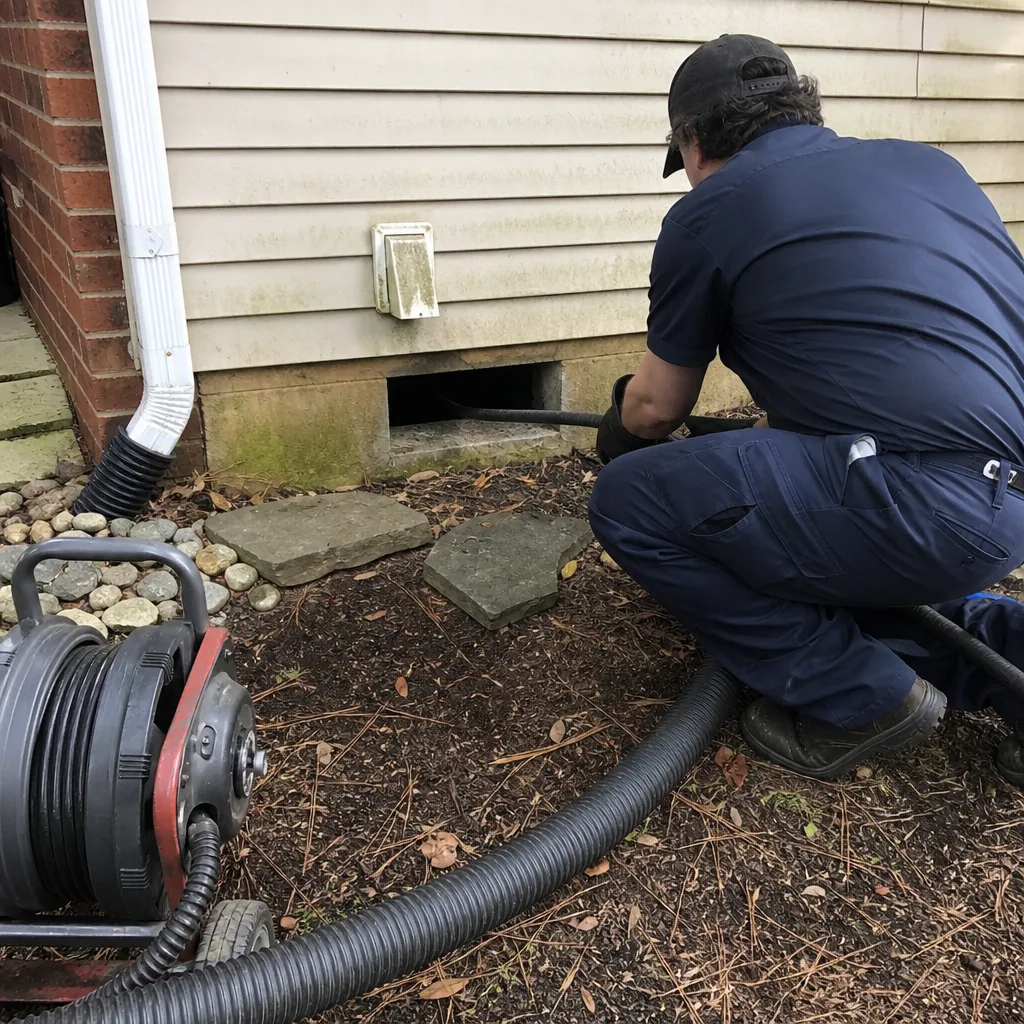 Before
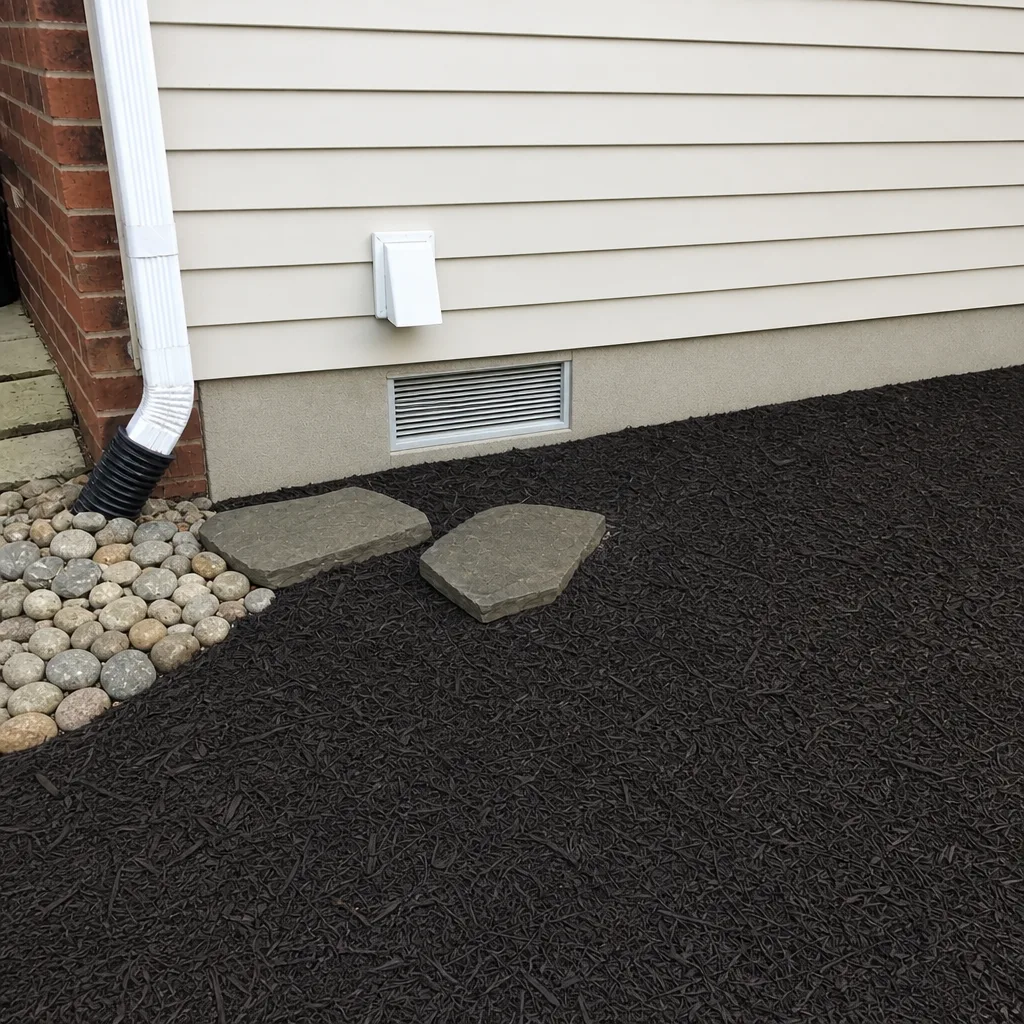 After
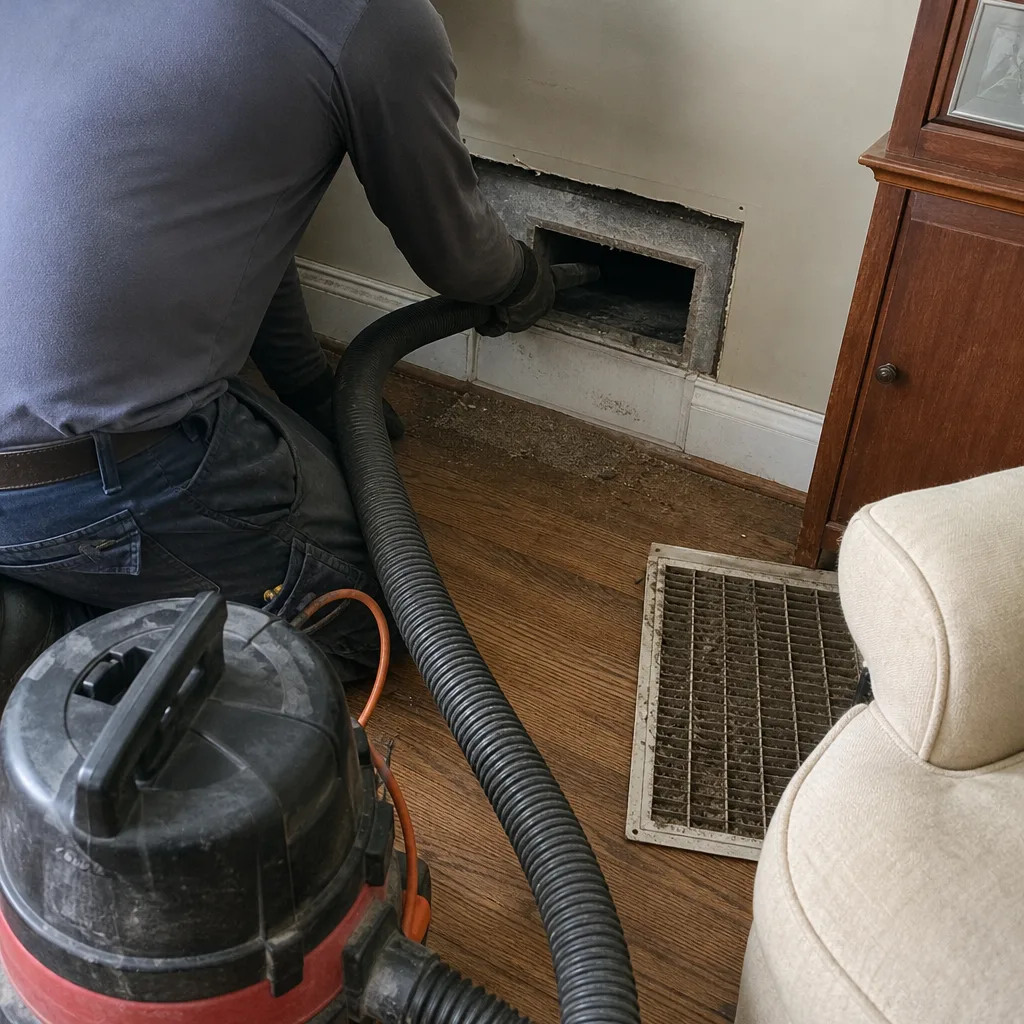 Before
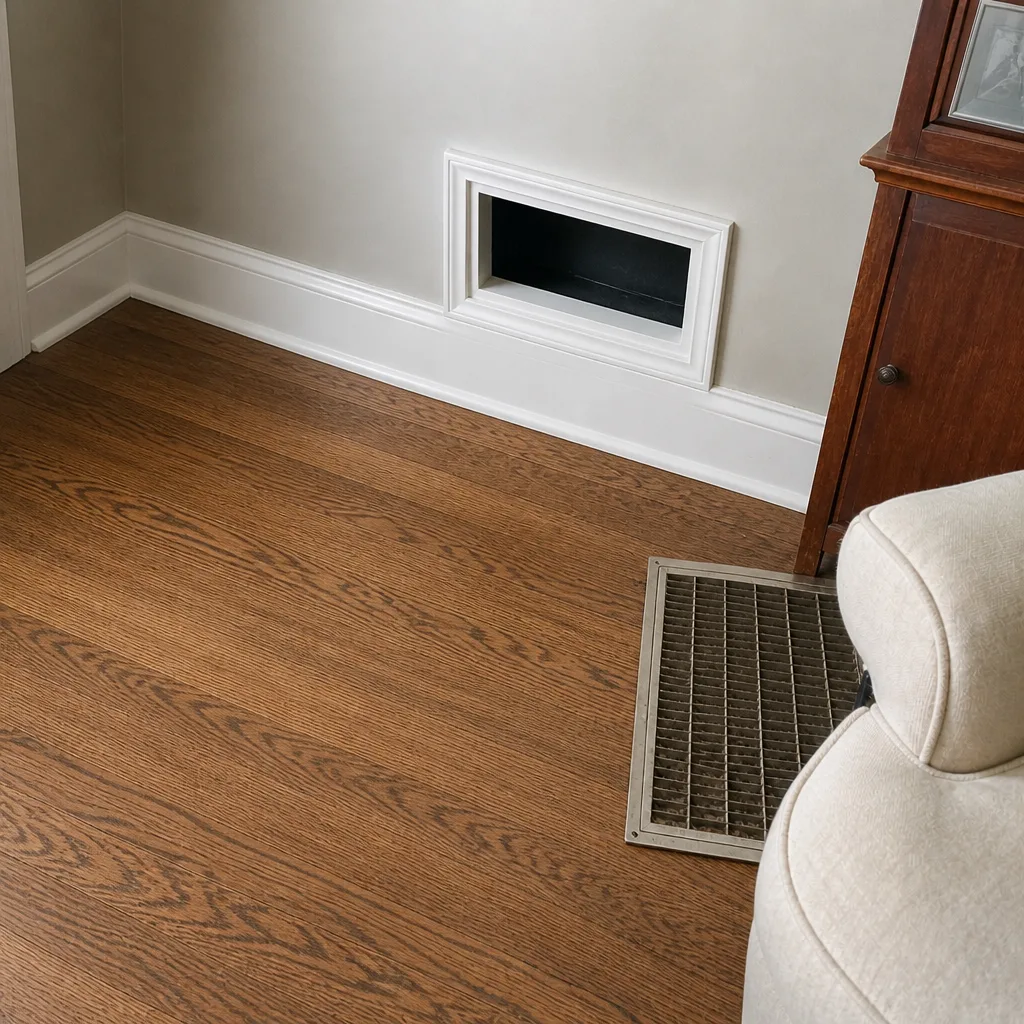 After
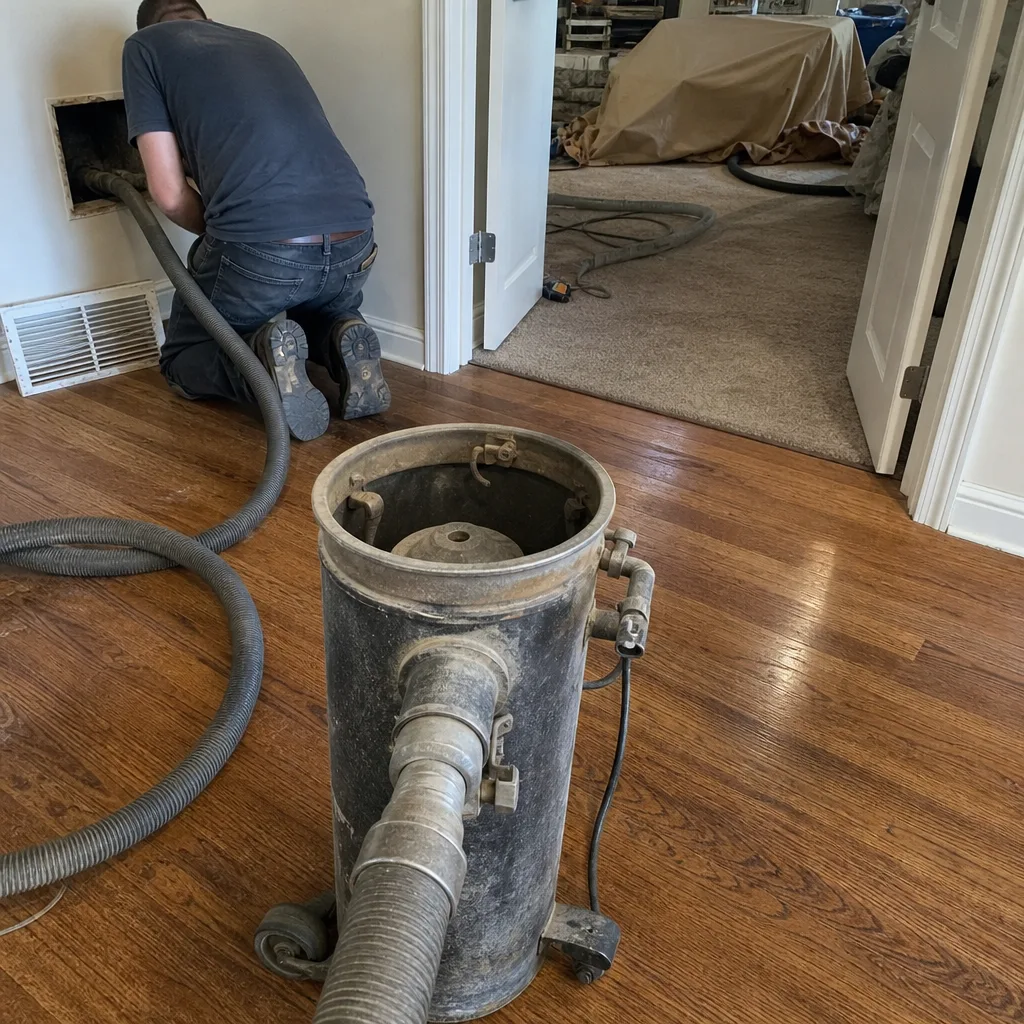 Before
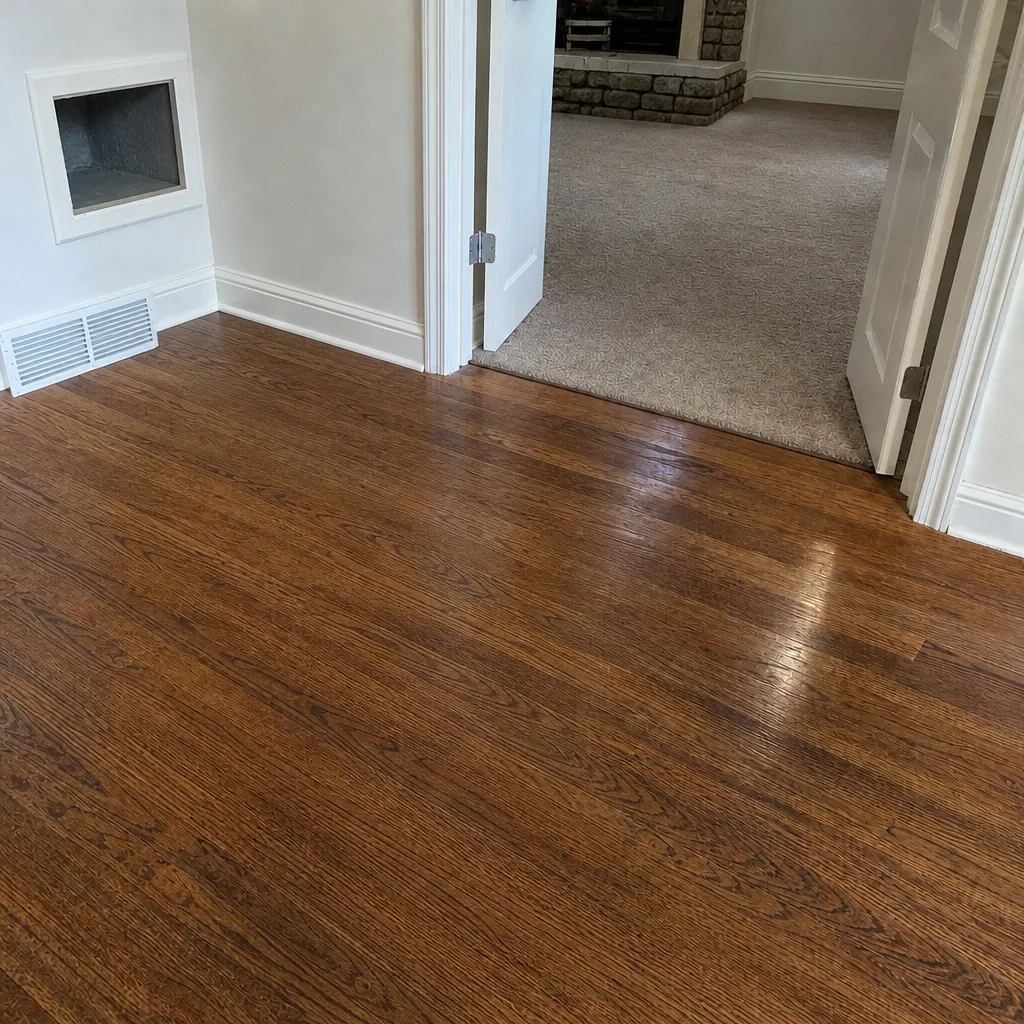 After
When to Call a Professional
If you’re seeing any of the following, it’s worth booking an assessment: visible debris collecting at more than one register, a persistent musty smell when the system runs, a recent renovation that left dust you can’t seem to get rid of, uneven heating or cooling across rooms, or a dryer that’s taking longer than it used to. For a property manager, add any unit turnover where the previous tenant’s history is unknown, and any building where airflow complaints suggest a system-level problem rather than a unit-level one.
Delmar Air Duct Cleaning offers free estimates in Winston-Salem. Call (844) 834-1338 to schedule yours. Delmar Air Duct Cleaning works from a written, itemized estimate and can assess the full system on a single visit so you know exactly what’s being addressed.
Frequently Asked Questions
Typical residential duct cleaning in Winston-Salem runs in a broad range driven by system size and scope: a single-story system with a limited number of registers sits at the lower end, while larger or more complex systems, systems that include coil and blower cleaning, or homes that also need dryer vent cleaning run higher. We don’t quote per-vent prices. We assess the system in person and give a written, itemized estimate before any work begins, so the number on the invoice matches the number on the estimate.
Yes, often. Visible cleanliness at the register is not a reliable indicator of what’s happening inside the plenum, on the blower wheel, or at the coil cabinet. Those components are where most of the airborne contamination you actually breathe originates, and none of them are visible from the register. The only way to know is an inspection with a camera.
Most homes in Winston-Salem benefit from a duct assessment every few years, and more often if the household has pets, has recently renovated, or has noticed musty odors or uneven airflow. The humid summer months make the coil cabinet the most important component to verify; a cleaning that ignores it will not solve odor or performance complaints.
Usually because they describe a different job. A low quote often reflects a vent-only wipe-down, hand tools rather than rotary brushes, no containment, and no verification. A source-removal cleaning with professional-grade equipment takes longer and costs more, and the difference shows up in what’s actually removed from the system. It’s worth asking every bidder what their price includes before comparing them against each other.
You should receive before and after photos of the system interior, camera footage showing the plenum, blower, and coil cabinet, and, if the technician has the instruments, a static pressure reading before and after. The best verification is a walkthrough where the technician shows you each component. If a company can’t provide that, the cleaning wasn’t verifiable.
Often, yes. If the cleaning reveals disconnected or crushed sections of duct, the technician can typically assess whether a repair belongs in the same visit or needs to be scheduled separately. In many cases the cleaning and repair happen together because the system is already open and accessible. That’s part of why we offer both services from the same company rather than sending homeowners to a second contractor.
The Bottom Line
Air duct cleaning done right is a whole-system job. It addresses the return plenum, the trunk lines, the branch runs, the register boots, the blower wheel, and the coil cabinet, using professional-grade agitating equipment with negative pressure and post-cleaning verification. Anything less is a surface clean with a receipt. In Winston-Salem’s humid summers and clay-heavy soil, the coil cabinet and return plenum are the components that most often hide the real story, and the ones worth asking about before you book. If you’re not sure what your system includes, start with an assessment. Call (844) 834-1338 for a free, itemized estimate.
Written by the team at Delmar Air Duct Cleaning.