
Last updated November 14, 2026
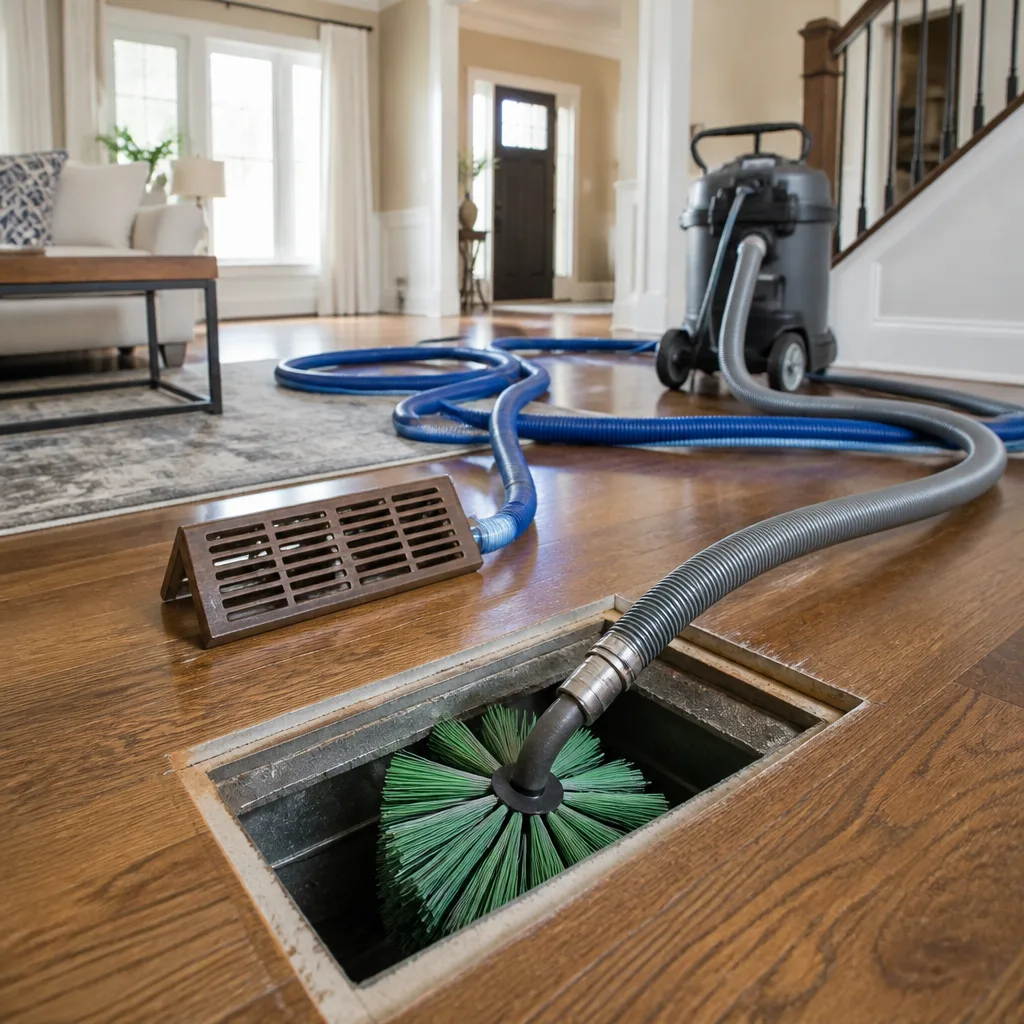 Whole-home duct cleaning
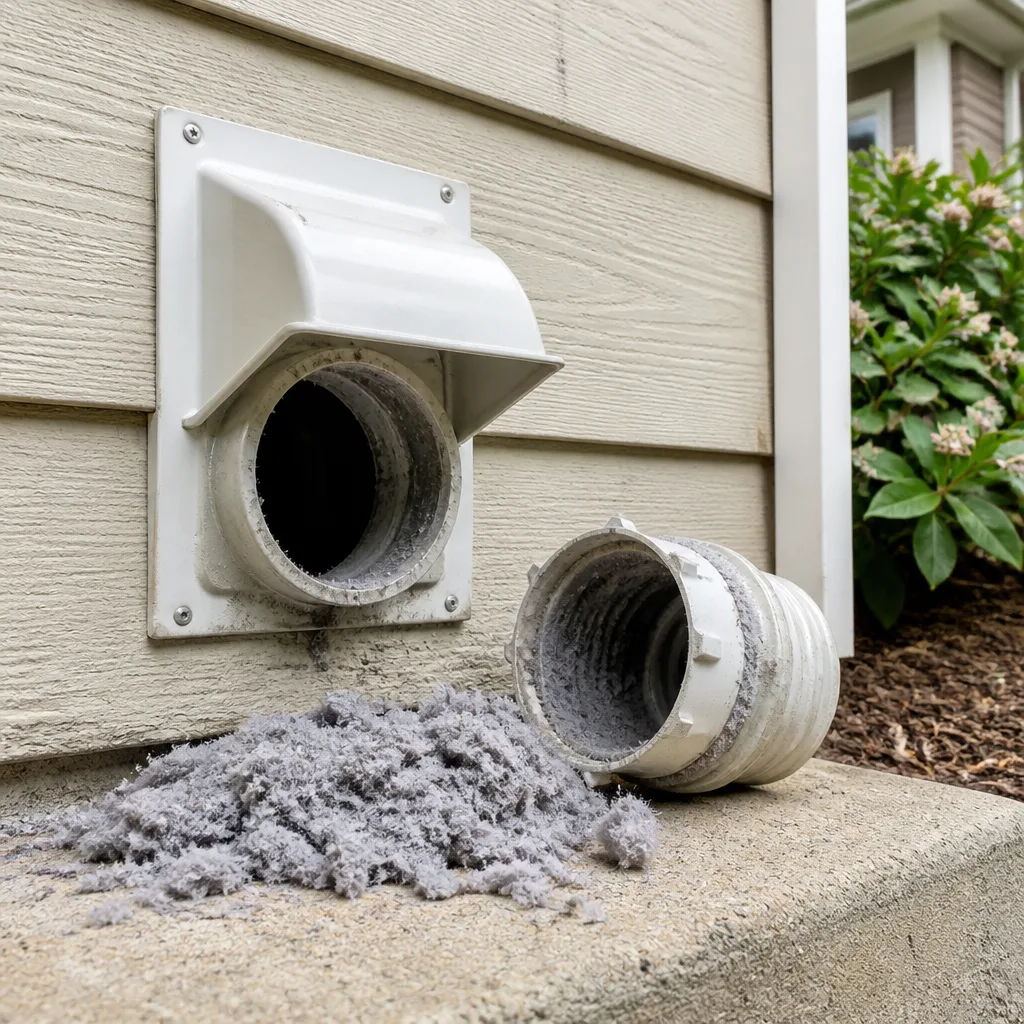 Dryer vent cleaning
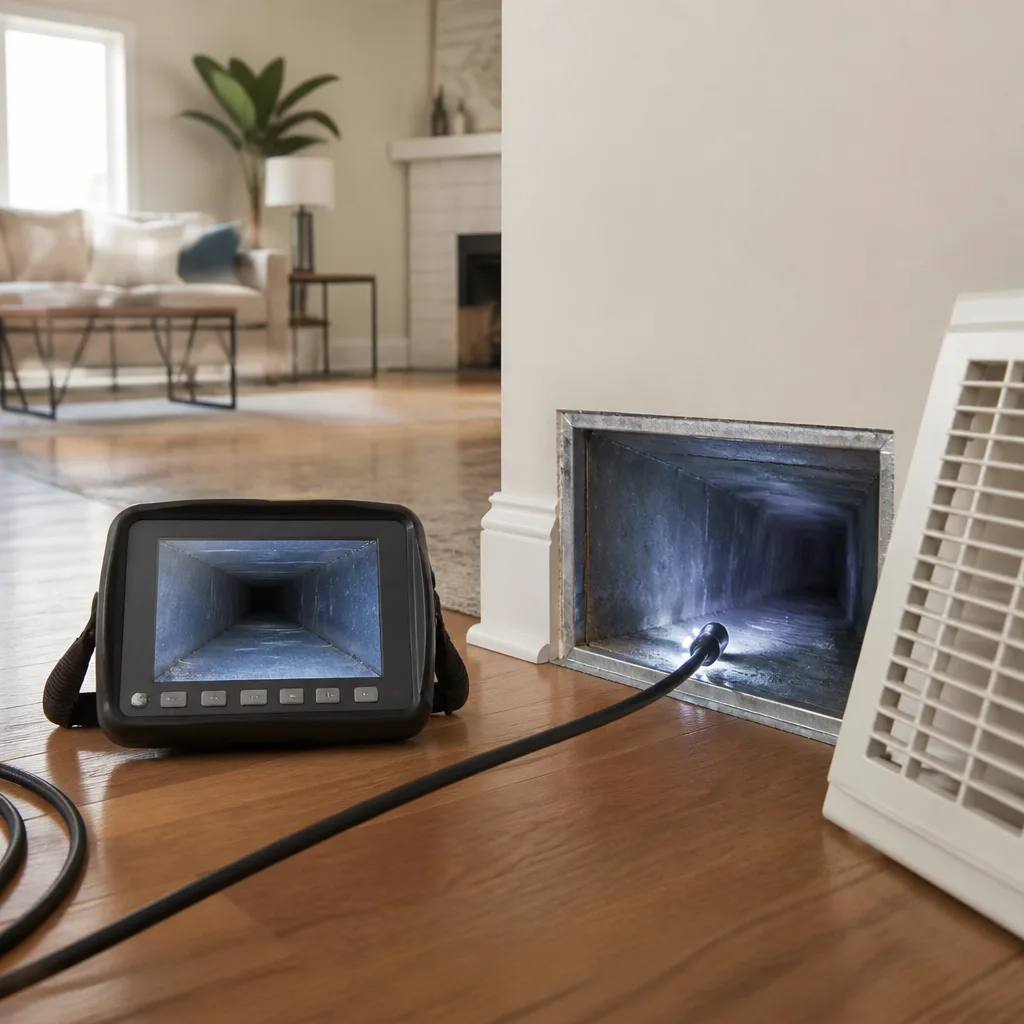 Camera inspection
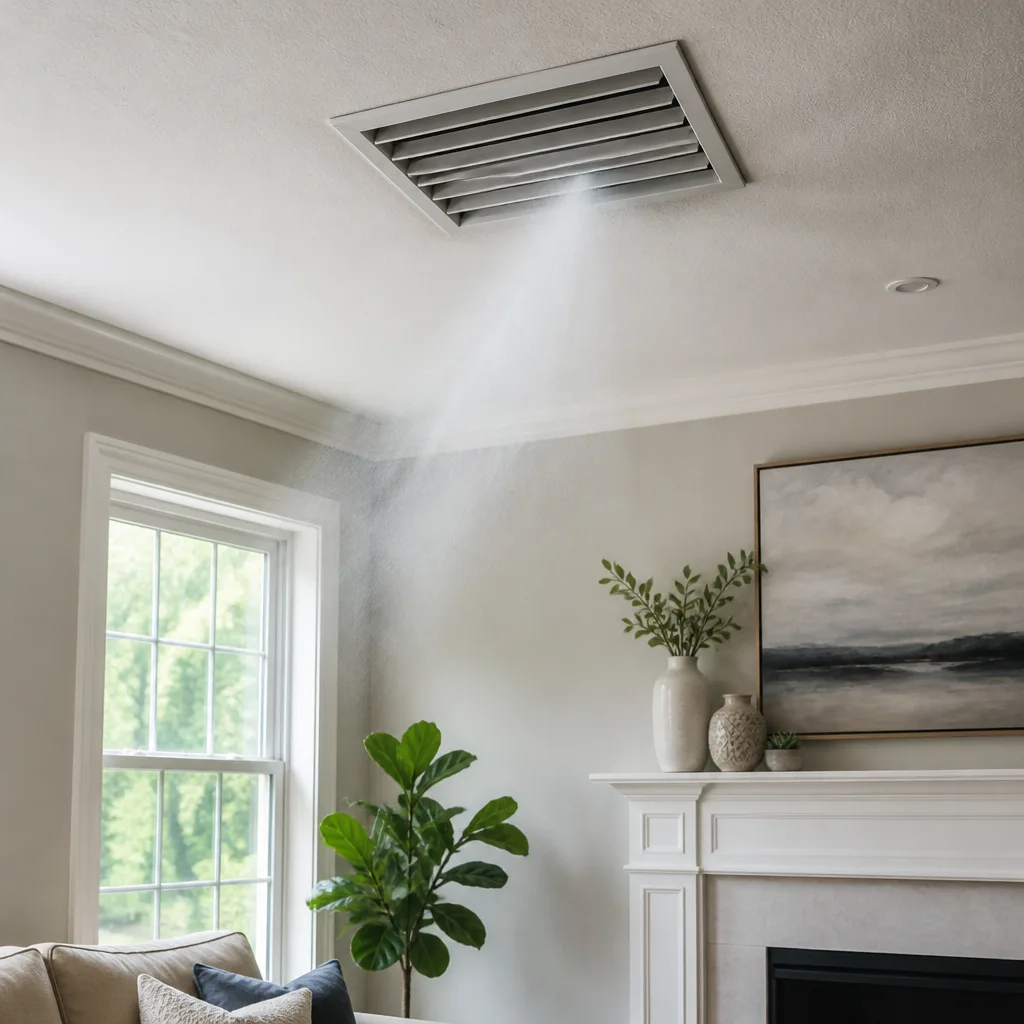 Sanitizing & deodorizing
Whole-system duct and dryer vent check with before-and-after photos - you see exactly what came out of your vents
That "$99 whole-house special" is a bait ad - the real number appears once they are in your hallway, or the "clean" is a shop-vac at the register. We photograph the inside of your ducts before and after instead.
Air Duct Cleaning Troubleshooting in Winston-Salem: Common Problems and How to Fix Them
If your upstairs rooms still sit 5°F warmer than your thermostat setting after a recent duct cleaning, the cleaning probably didn’t fail. Your ductwork likely has a structural problem that no vacuum can solve. A collapsed flex run, a seal that opened at a joint behind the drywall, or a blockage a brush can’t reach will keep starving rooms of air no matter how thoroughly the ducts were scrubbed. Homeowners in Winston-Salem call us after a cleaning all the time, convinced they were sold a service that didn’t work. Usually, they were sold the wrong service. This guide walks you through how to read your system’s symptoms, separate a cleaning problem from a repair problem, and know what to do next.
Quick Answer
If your air duct problems persist after cleaning, the cause is usually a duct defect rather than leftover dirt: collapsed or kinked flex duct, failed seals at joints and boots, disconnected runs, or a blockage downstream of the cleaned section. A cleaning fixes contamination. A repair fixes airflow. You need to know which one your system actually has before anyone shows up at your door. Our technicians have up to 13 years of experience, and the pattern holds: most “failed cleanings” we inspect were repair jobs from the start.
Styles & brands we work with
- Whole-home duct cleaning
- Dryer vent cleaning
- Camera inspection
- Sanitizing & deodorizing
Table of Contents
- Symptom-to-Cause Matrix: What Your Ducts Are Telling You
- Why Do Problems Show Up After a Cleaning?
- Why Winston-Salem Ducts Fail More Often Than You’d Expect
- How to Spot Collapsed or Kinked Flex Duct
- Cleaning vs. Repair: How to Tell Which One You Need
- How We Diagnose a Duct System Before Touching It
- When the Problem Is Your Dryer Vent, Not Your Ducts
- Common Mistakes to Avoid
Symptom-to-Cause Matrix: What Your Ducts Are Telling You
Every duct complaint points to a short list of causes. Before you call anyone, match what you’re experiencing to what it usually means. This saves you from paying for a cleaning that won’t fix the real issue, and it helps a technician know where to look first.
Uneven airflow from room to room. One bedroom gets strong air, another barely moves a curtain. This usually points to an undersized or kinked branch run, a damper stuck closed, or a leaking trunk line that’s dumping conditioned air into a crawlspace instead of a bedroom. Sometimes the equipment is fine and the delivery system is the failure.
A musty smell that returns shortly after cleaning. If the smell fades for a few days and drifts back, the source wasn’t in the ducts you cleaned. It may be moisture on interior duct lining, biological growth on a wet evaporator coil, or a disconnected return pulling air from a damp crawlspace. Cleaning the open ductwork can’t reach the coil or the crawlspace.
Rattling, popping, or banging. These are usually mechanical. Loose flex duct can slap against a joist when the blower starts. An undersized return can make the system whistle or pop. Ductwork that’s sagging off its hangers where humidity has softened the spacing rarely rattles, but the culprit is usually airflow pressure against a loose section.
Debris blowing out of supply registers. New debris after cleaning means either upstream contamination the cleaning missed or a breach in the return side drawing dust from an unconditioned space. A return duct running through an attic or crawl will pull in whatever’s around it if a joint opens.
Higher energy bills with no comfort change. This is the classic sign of duct leakage. Conditioned air escapes before it reaches a room, so you pay to heat or cool the sky above your ceiling and the dirt beneath your floor.
Every one of those symptoms has a structural explanation worth considering before you assume the HVAC equipment is at fault. A failed blower or a dying compressor would produce zero airflow, not uneven airflow. If air is moving but doesn’t arrive where it should, the ducts are usually the problem.
Why Do Problems Show Up After a Cleaning?
Problems don’t usually show up because of the cleaning. They show up because the cleaning removed the dust that had been masking them. A heavy layer of dust in a duct smooths out small leaks, fills gaps at joints, and muffles rattles. Once the interior is scrubbed clean, airflow increases through the cleaned sections, and that higher pressure finds every weak point in the system.
There are three common scenarios where a homeowner calls us thinking the cleaning failed:
- The cleaning was thorough, but the system was already failing. The ducts were contaminated and the cleaning removed the contamination, but a branch duct was collapsing and restricting flow the entire time. Now that the airflow has increased elsewhere, the difference is more noticeable.
- The cleaning was superficial. A shop-vac-style “cleaning” that only touches the first three feet of each run and skips the trunk line or the return doesn’t remove what’s actually in the system. Consumer-grade equipment isn’t built for the volume of air and surface area a home’s ductwork contains.
- The cleaning disturbed a fragile joint. Older duct systems, especially taped and hung flex runs, can develop loose joints after years of thermal cycling. A thorough cleaning can loosen a seal that was barely holding. That’s not a failed cleaning; that’s a seal that was overdue for repair.
That’s why we approach every Winston-Salem air duct cleaning job with an inspection first. If you call us for a cleaning and the real problem is a collapsed run or a failed seal, we tell you. Cleaning a system with a structural failure is a wasted visit for both of us. Our job is to identify what the system actually needs. Sometimes that’s a clean. Sometimes that’s air duct cleaning followed by a repair. We’re equipped for both, which is part of why our approach differs from a company that only offers a single service.
Why Winston-Salem Ducts Fail More Often Than You’d Expect
Some of the housing stock in Winston-Salem bears work from decades past. Homes built in the mid-century and later expansions with flex duct systems are common here, and the combination of climate and construction style stresses those systems in ways that drier markets don’t see.
Humidity is the big one. Winston-Salem summers are humid. Wet air in a crawlspace softens flex duct exteriors, loosens tape adhesive, and condenses on metal ductwork running through unconditioned space. Tape that was rated for dry conditions starts peeling after a few cycles of condensation and evaporation. Duct board and flex interiors can sag under moisture weight. A duct system built to a reasonable standard in a dry climate ages out faster in ours.
The residential stock in neighborhoods like West Salem, Ardmore, and the older sections around Washington Park often has original ductwork that has never been repaired, only cleaned. Those systems are usually the ones where a cleaning reveals a bigger picture. Further out, in the newer subdivisions north of town or west toward Clemmons, the systems are newer but often use lightweight flex runs installed quickly, and those runs collapse or kink over time if they aren’t supported properly.
Crawlspaces are also common here, and crawlspace duct runs get the worst of the environment. They’re rarely sealed properly at the floor boot, they run through unconditioned space, and they’re hard to inspect without crawling in. That’s why we spend as much time in crawlspaces during a diagnostic as we do at the registers.
The good news: modern repair materials hold up far better than what was installed decades ago. When we repair a duct system, we’re often bringing it up to a standard that will outlast the original installation.
How to Spot Collapsed or Kinked Flex Duct
Collapsed flex duct is one of the most common duct failures we find, and it’s also one of the hardest for a homeowner to see without knowing what to look for. Here’s what you can check without special tools.
- Get into the crawlspace or attic with a flashlight. Follow the duct runs from the plenum (the big box attached to the air handler) toward each room. You’re looking for runs that are pinched, crushed, or sagging between supports.
- Look for horizontal runs that droop heavily between hangers. A properly supported flex run holds a roughly round cross-section. A run sagging in the middle loses airflow because the interior wire coil collapses under its own weight.
- Check the connection at the floor boot. The flex duct meets the floor boot at each register. If the collar isn’t fully seated or the tape is peeling, you’ve found a leak. Grab the duct near the boot gently and feel for gaps.
- Look for sharp turns. Flex duct is designed to bend, but not at 90 degrees. A sharp elbow crushes the inner coil and cuts airflow dramatically. That’s a common cause of a cold room directly above the plenum.
- Look for runs crushed underfoot. In attics, duct runs laid across joists without protection can be collapsed by a homeowner or a pest control tech walking over them. A run with a visible dent is a run losing airflow.
- Feel for air escaping at joints while the system runs. With the blower on, put your hand near each joint and collar. If you feel air blowing out, the joint is open.
Don’t crawl into a tight attic or a low crawlspace if you don’t feel safe doing it. Attic heat and crawlspace air aren’t worth an injury. A trained technician can inspect without risk and photograph what they find. That’s part of the value of a full-system inspection: it’s evidence you can see, not a guess.
If you find a collapsed run, don’t just tape it. Flex duct with a crushed inner coil has to be replaced at that section, not patched. Tape over a collapsed run looks like a repair but leaves the restriction in place.
Cleaning vs. Repair: How to Tell Which One You Need
Air duct cleaning fixes contamination. Repair fixes structure. The two are related but not interchangeable, and knowing which one your system needs is the single most useful judgment you can make before you call anyone.
A cleaning is the right call when:
- The ducts haven’t been cleaned in years and there’s visible dust buildup at the registers
- You’ve recently had renovation work and the ducts are full of drywall dust or sawdust
- You’re seeing debris on the supply registers when the system first turns on
- There’s a persistent musty smell coming from the vents, but airflow is even throughout the house
- A new occupant has moved in and wants a fresh start on the system
A repair is the right call when:
- Airflow is uneven, or rooms don’t stay at the set temperature
- You’ve just had a cleaning and problems either showed up or got worse
- You can see collapsed, kinked, or disconnected duct in a crawlspace or attic
- Energy bills are climbing while thermostat settings haven’t changed
- You feel air escaping at joints, or you see dust streaks on insulation near ductwork
Many systems need both, in that order. We often find a system where the cleaning is worth doing but the repair is what will actually solve the homeowner’s complaint. Our Winston-Salem customers are usually relieved to hear the order of operations even when it means changing their original request.
If you’re still unsure, look at your register grilles. Pull one off and look inside with a flashlight. If you can see a healthy round flex duct with no visible tears, and the system’s been cleaned within the last few years, cleaning is probably not your answer. If the flex duct looks flattened or the collar looks disconnected, repair is what you need.
How We Diagnose a Duct System Before Touching It
Our first visit is an inspection, not a cleaning. This is deliberately different from how most of the industry works, and it’s why we tell homeowners not to schedule a cleaning before a technician has looked at the system.
- Exterior and interior visual survey. We look at the air handler, plenum, and the first few feet of each trunk line. We confirm the system type and note obvious damage before touching anything.
- Crawlspace and attic access. We follow every accessible duct run from the plenum to each register boot. We look for collapsed flex, disconnected joints, dislodged tape, water damage, pest intrusion, and rough handling. We take photos of anything we find.
- Airflow measurement at the registers. We measure airflow at each supply register to find which rooms are starved and how much. A room reading half of a neighboring room’s airflow is reporting a defect, not a small variation.
- Static pressure reading at the air handler. We check the pressure drop across the system. High static pressure means the blower is working harder than it should, which points to undersized returns, blockages, or crushed duct runs. This is the single most useful numeric test we do.
- Interior duct inspection. With a Rotobrush rotary brush system and inspection cameras, we look inside the ductwork where the exterior survey can’t reach. We’re checking for heavy contamination, moisture, debris, and interior damage.
- Diagnosis and estimate. We tell you what we found, whether it’s a cleaning problem, a repair problem, or both, and we give you a written estimate before any work starts.
We use professional-grade Rotobrush and Nikro equipment for cleaning because residential systems deserve commercial-grade tools. We use Abatement Technologies equipment when containment and controlled air pressure matter, which they often do if the ducts are contaminated in a way that shouldn’t be stirred into the air of the home. For air quality work that extends beyond the cleaning, we work with Honeywell and Aprilaire products, and those options only make sense once the ducts themselves are healthy.
The repair side of the work uses the same diagnostic approach. We don’t guess at a collapsed run; we see it. If a joint is failing, we document it. If the system needs structural repair before it’s worth cleaning, that’s what we tell you. A full-system diagnosis is the difference between a cleaning visit and a fix.
When the Problem Is Your Dryer Vent, Not Your Ducts
Homeowners with dryer problems often start troubleshooting in the wrong place. If your dryer takes two cycles to dry a load, or the laundry room smells musty, the issue is almost always the dryer vent – and it’s a separate system from your HVAC ductwork.
A dryer vent pulls hot, lint-loaded air from the dryer drum to the outside. Over time, lint builds up in the duct and slows airflow. When airflow drops, drying times climb, the dryer runs hotter than it should, and the fire risk goes up. Lint is fine and highly flammable. A clogged dryer vent is one of the most common household fire causes, and it’s usually invisible until someone opens up the vent line.
Signs your dryer vent needs attention:
- Drying a normal load takes more than one cycle
- Clothes come out hot but still damp
- The outside vent flap doesn’t open strongly when the dryer is running
- Lint accumulates around the dryer or behind the machine
- The laundry room feels humid or has a musty smell
Dryer vent cleaning is a dedicated service at Delmar, not a tack-on. It’s a different system, a different risk profile, and worth doing on its own. If you’ve had your dryer vent cleaning done by a general duct company that treated it as an afterthought, it may not have been done properly. The duct needs to be cleared start to finish, and we inspect the exterior termination point to make sure it’s actually venting outside and not into the attic or crawlspace.
A simple rule: cleaning the ducts doesn’t clean the dryer vent, and cleaning the dryer vent doesn’t clean the ducts. They share a name pattern, not a system.
Common Mistakes to Avoid
- Assuming a cleaning will fix an airflow problem. If your complaint is uneven comfort or high bills, a cleaning alone rarely solves it. Cleaning addresses contamination, not structure. Ask the company to inspect before they quote a cleaning.
- Hiring a company that can’t do the repair. If the diagnosis comes back as a duct problem, you don’t want to hear “we can’t help with that.” Ask upfront whether the company does air duct repair, not just cleaning.
- Letting a technician start cleaning without an inspection. A proper diagnostic takes time, and the estimate should come after it, not before. A quote without an inspection is a guess.
- Taping over a collapsed flex run yourself. Tape doesn’t undo a crushed inner coil, and most consumer tape fails in the humidity Winston-Salem duct systems deal with. It looks fixed and isn’t.
- Skipping the crawlspace. In Winston-Salem, the crawlspace is where duct failures hide. A cleaning that never opens the crawlspace has never inspected the actual condition of the ducts.
- Treating the dryer vent as an afterthought. A dryer vent isn’t a smaller duct. It’s a fire-safety system, and it should be cleaned on its own schedule by someone who treats it that way.
- Believing a big coupon price is the real price. The bait-and-switch reputation this industry has doesn’t come from nowhere. A price that’s low before the technician arrives and doubles on site is the pattern. Ask for the estimate to be agreed in writing before work starts.
See the difference
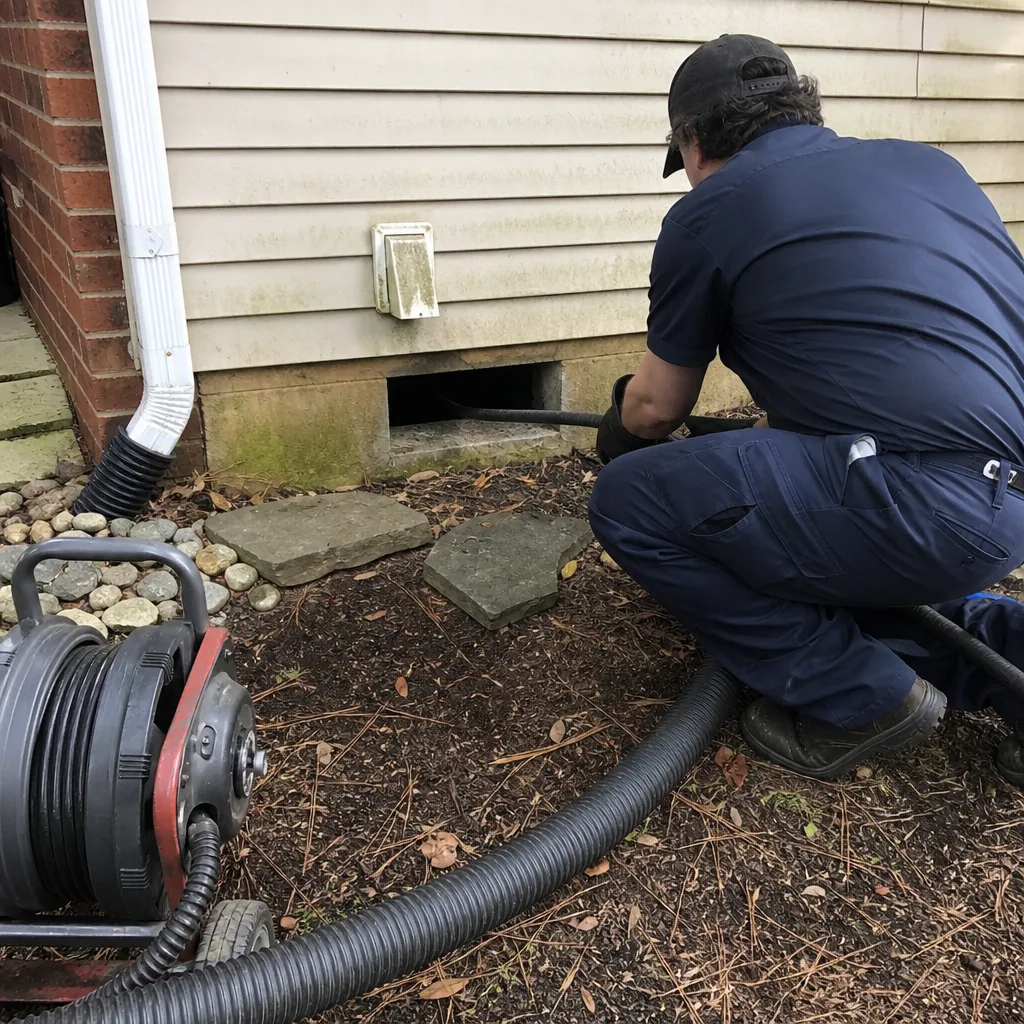 Before
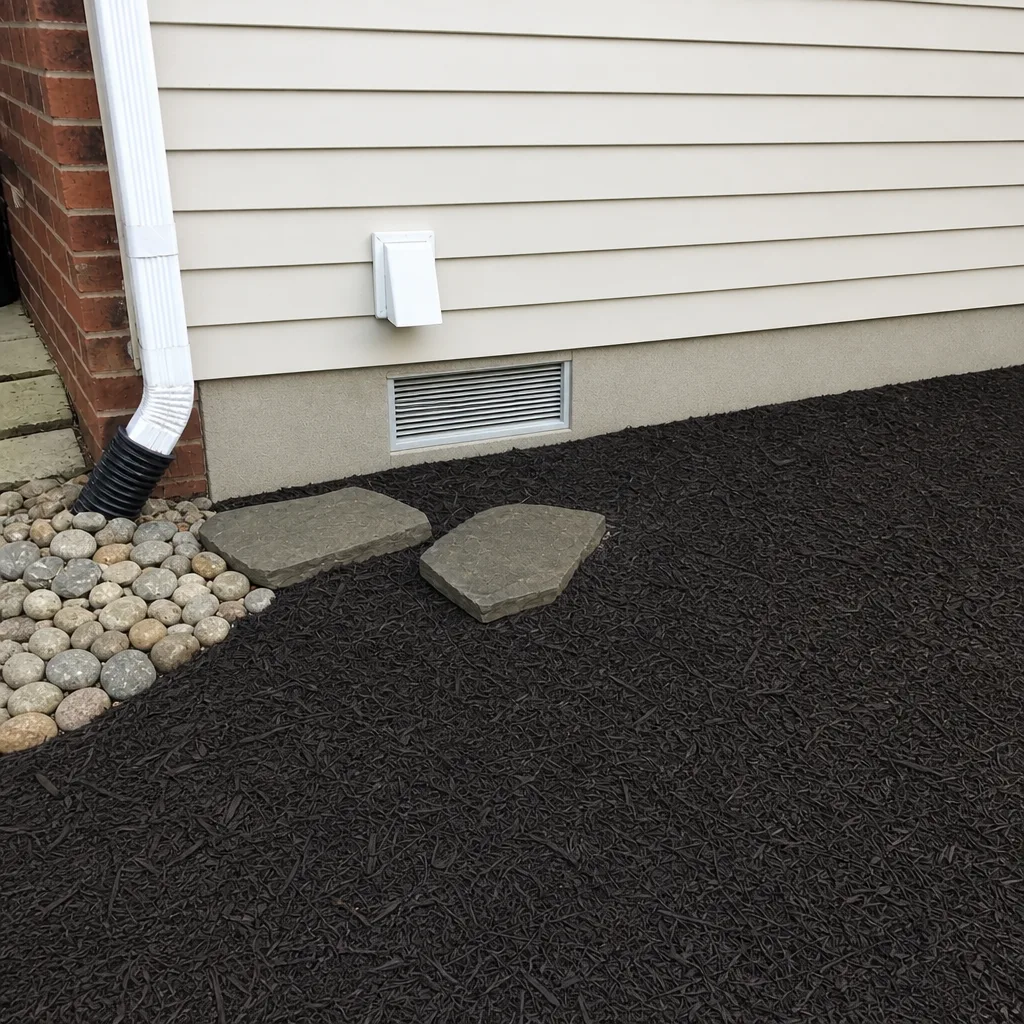 After
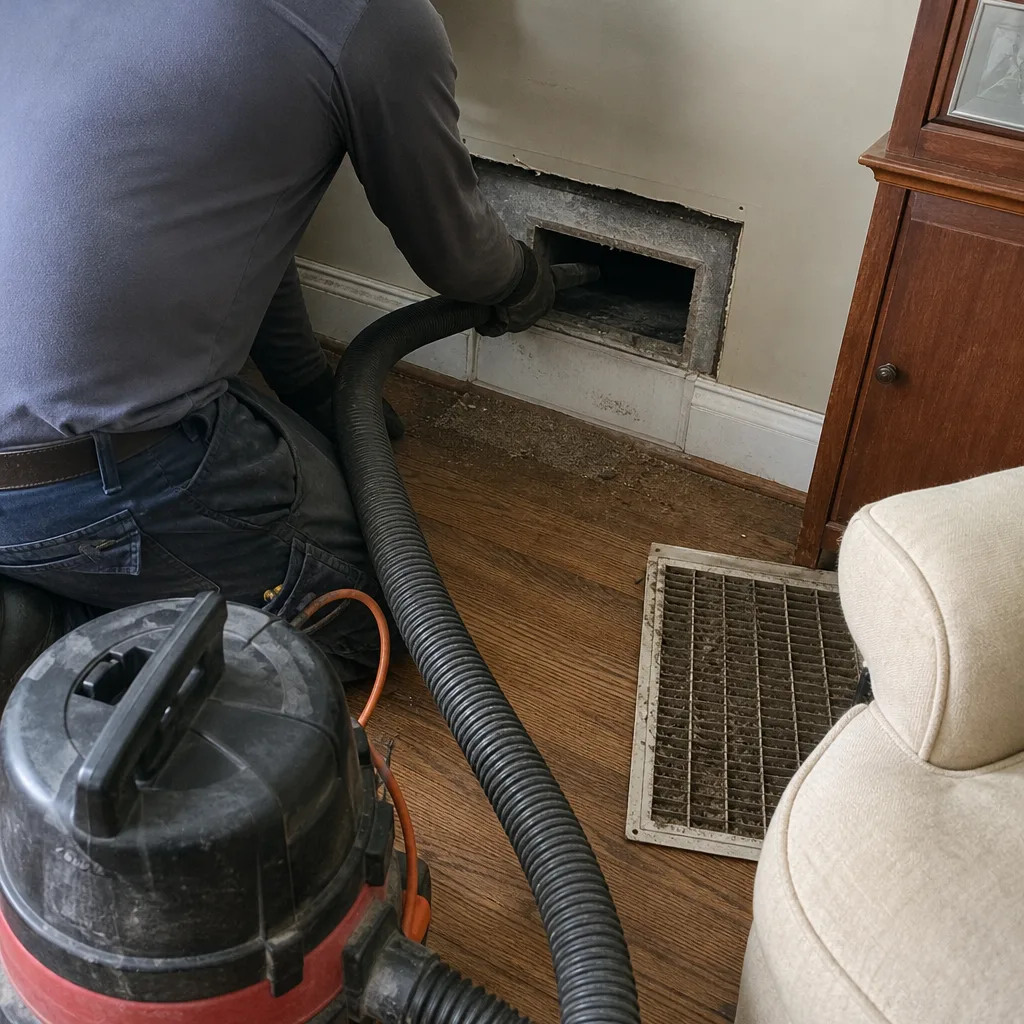 Before
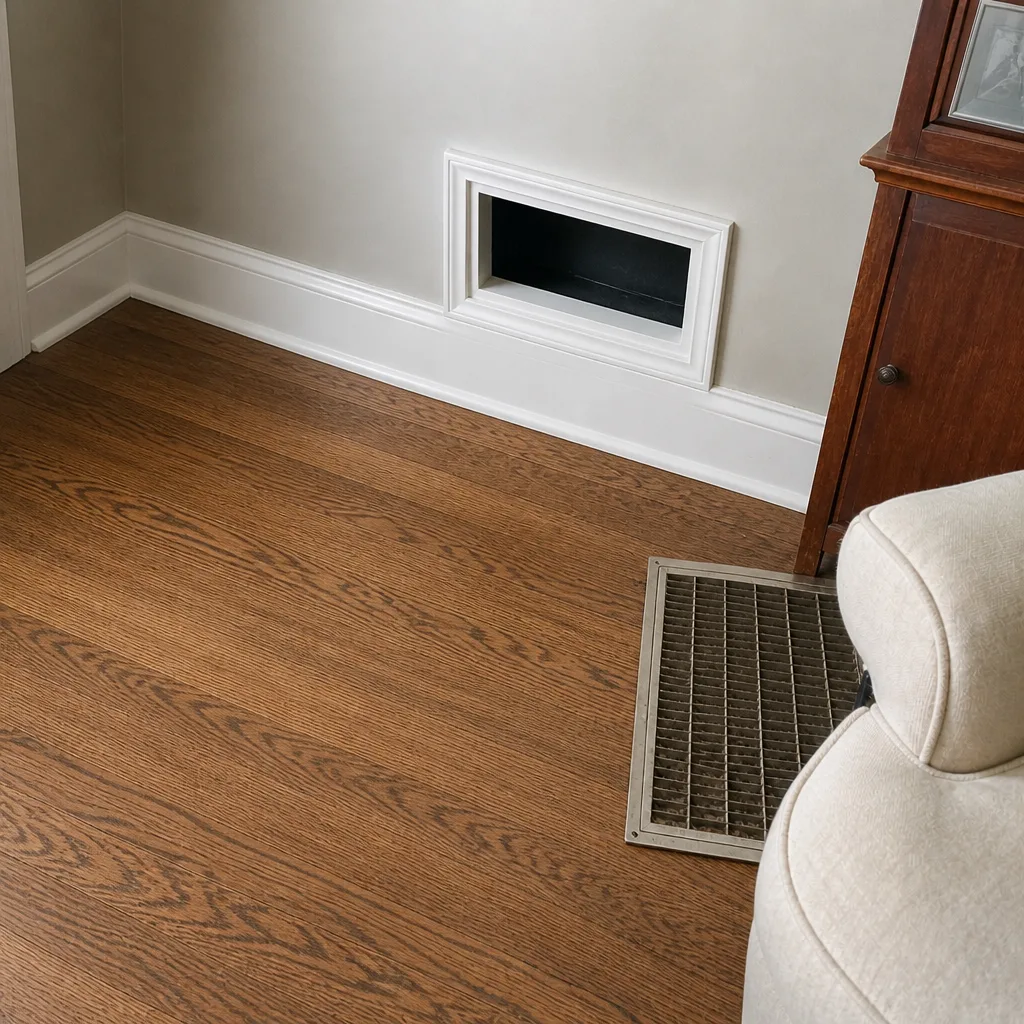 After
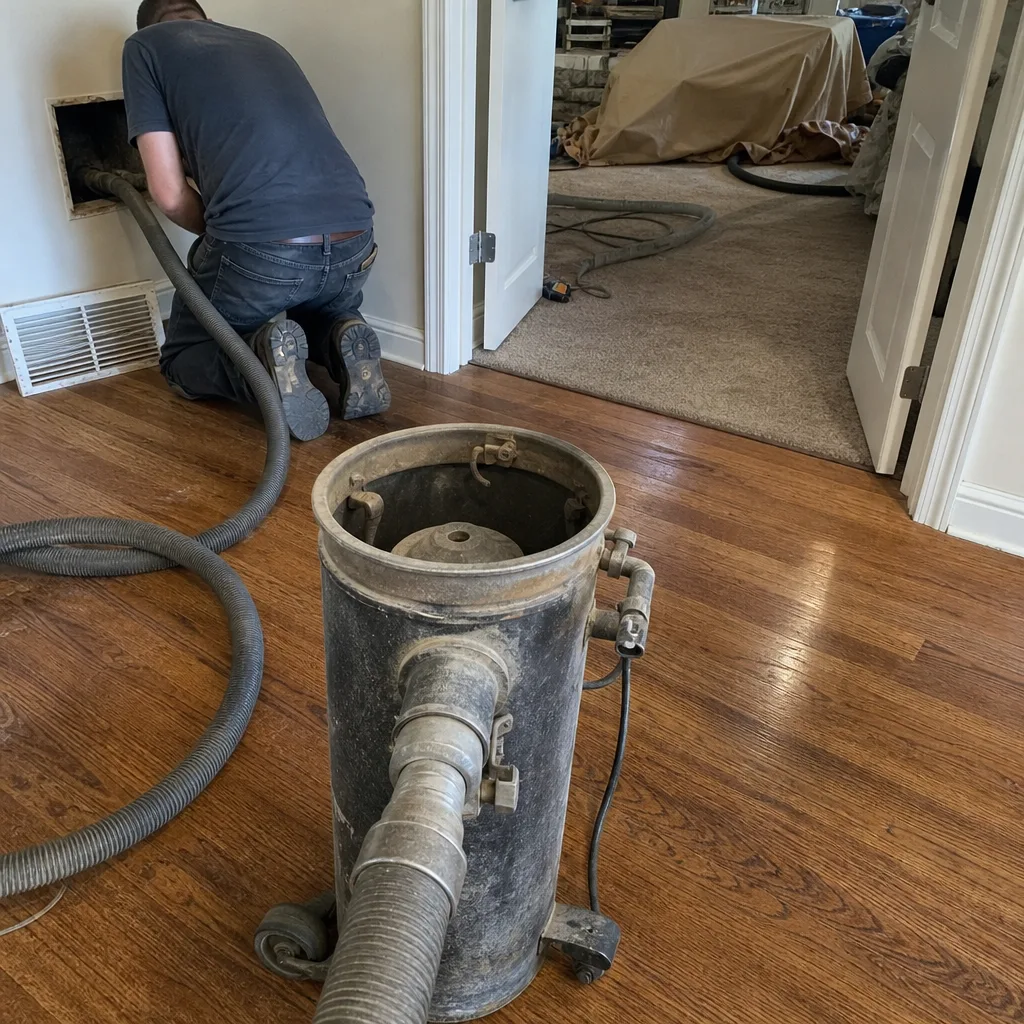 Before
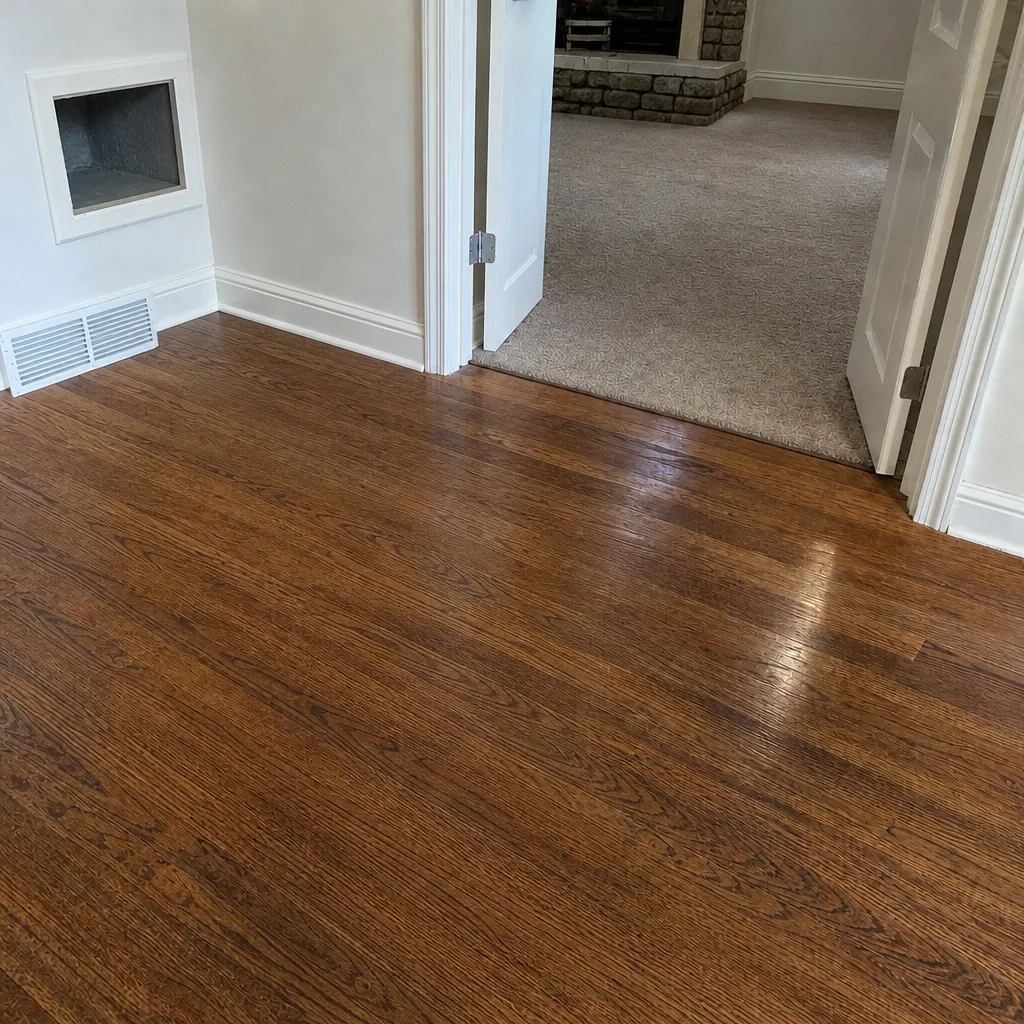 After
When to Call a Professional
Call a professional if you’ve had a cleaning recently and problems either showed up or got worse. Call if airflow is uneven and it’s been getting worse over time. Call if you see visible duct damage in the crawlspace or attic. Call if your energy bills are climbing with no change in how you use the system, or if you smell moisture in the air when the system runs. Call if your dryer has started taking more than one cycle to dry a load. Call before you run a cleaning on a system that hasn’t been inspected.
Delmar Air Duct Cleaning offers free estimates in Winston-Salem – call (844) 834-1338. We answer 24/7. Fast dispatch from 7am to 7pm, Sunday through Friday. We diagnose before we clean, we repair what cleaning can’t fix, and we set the price per job on a written estimate before any work starts.
Frequently Asked Questions
Air duct cleaning in Winston-Salem is priced per system, not per vent, and the total depends on the number of systems, the layout, and whether repairs are needed. Most cleanings are quoted as a whole-system price in the range of a few hundred dollars, with repair work quoted separately on its own written estimate. We set the final price per system in writing after an inspection. Call (844) 834-1338 for an exact quote – estimates are free.
Because they usually don’t cover the same work. A low coupon price often covers only a surface pass at the accessible registers, not a full-system cleaning of the trunk line, return, and branch runs, and it never includes an inspection or a repair capability if something’s broken. The industry’s bait-and-switch reputation comes from exactly this pattern: a low entry price that becomes a much larger invoice once the technician is on site. We quote one flat price per system, agreed before work starts, with no per-vent math. Call (844) 834-1338 for a free estimate.
You should see before-and-after photos of your own ducts. Ask any company you’re considering whether you’ll get photos taken during the job that show the interior of your actual ductwork before and after cleaning, and whether you’ll get a written summary of what was found. If a company can’t produce photos, you’re being asked to trust a receipt. Call (844) 834-1338 and we’ll walk you through what the job will include.
Most homes need it every three to five years, or sooner after a renovation, a move-in, or any period where the system ran with significant contamination. Homes in Winston-Salem with ducts running through humid crawlspaces often benefit from shorter intervals because moisture and debris accumulate together. A dryer vent is a different schedule entirely, driven by how much laundry your household runs. Call (844) 834-1338 for a free estimate on either service.
Because the cleaning removed the dust that was masking a structural problem. A thorough cleaning increases airflow through cleaned sections, and that higher pressure finds weak spots: a loose joint, a cracked collar, a collapsed run. The cleaning did its job. The duct system needs a repair. Call (844) 834-1338 and we’ll inspect and tell you what we find.
Yes, when our schedule allows. Same-day service is possible for many appointments, and the phone is the fastest way to find out what’s open. We answer 24/7. Fast dispatch from 7am to 7pm, Sunday through Friday. Call (844) 834-1338 for a free estimate.
The Bottom Line
Most air duct problems homeowners blame on their HVAC equipment turn out to be duct-system failures: collapsed flex runs, failed seals, disconnected joints, or blockages that no cleaning can reach. If your airflow is uneven, your bills are climbing, or problems surfaced right after a cleaning, the answer is usually a repair, not another cleaning. Read your system’s symptoms honestly. Get an inspection before you book a cleaning. Ask whether the company you’re calling can actually fix what it finds. Cleaning has a place, and so does repair, but they solve different problems. And don’t forget the dryer vent, which is a separate system with its own schedule and its own risk. Delmar Air Duct Cleaning handles cleaning, repair, and dryer vent work with commercial-grade equipment and a written estimate before anything starts. Call (844) 834-1338 for a free estimate. We answer 24/7. Fast dispatch from 7am to 7pm, Sunday through Friday.
Written by the team at Delmar Air Duct Cleaning.